Questions? Call us at 1 (855) 417 8598





The winner of our ultimate dog photo contest is Stephanie Milanowski of Grand Rapids, Michigan and her pup, Wally!
Wally (aka The Next Colonel Sanders) is a two-year-old mini Goldendoodle who is goofy, loveable, and “will let you fall asleep hugging him,” says Stephanie. When offered a costume, Wally immediately goes into acting mode.
Per Stephanie, “his cooperation and dedication to the art of acting are admirable! He's incredibly patient when getting dressed or sitting still. He just loves it and jumps right into character, even when he's seated next to a bucket of delicious, crispy fried chicken and a refreshing glass of lemonade!”
Wally's goatee and his expression reminded Stephanie and her husband, Joe, of Colonel Sanders, the founder of Kentucky Fried Chicken. So she stitched a little white suit coat for Wally with a string tie and lapel pin, topped with 1970's eyeglass frames. From there, Wally jumped right into character!
Congratulations Stephanie, Wally, and family on your winning photo!
The pups are ready for their close-up! We’re pet parents who believe in the healing power of dog photos in our camera roll and their ability to boost our moods. That’s why Vet Naturals is thrilled to announce the launch of our first-ever Ultimate Dog Photo Contest where contestants can flaunt their funniest and most outrageous dog photos of their furry friends for a chance to win $1,000, plus a three month supply of Vet Naturals products!
We’re looking for amusing, meme-worthy photos of your dog. The photo can include crazy eyes, doggy smiles, costumes, props, or funky outfits – you name it! As long as it’s hilarious and sparks joy, it’s eligible.
Either snap a new photo or send us an existing funny photo from your camera roll!
Don’t own a dog? No problem. You can still enter the contest with a photo you took with a family member’s or friend’s dog.
Additionally, applicants must be 18 years or older and a U.S. citizen or permanent resident to apply.
To enter the contest, contestants MUST FOLLOW THE LINK BELOW to the entry form where you’ll be asked to upload your photo. The page also requests your name and email address, so that we can notify the winner, once one has been selected.
Any contestants who do not complete the entry form by following the below link will not have an official entry into the contest.
For contestants who have a Facebook or Instagram account, please share your dog photo with us either on the Vet Naturals Facebook page or post your photo as an Instagram post, tagging the Vet Naturals Instagram within your post. Spread the word to your social media friends and family about the contest and your entry, so that they can witness your dog’s hysterical photo as well!
The deadline for contest submissions is Friday, April 9, 2021. Contestants will need to submit their dog photos via the below link by that date in order to be considered. After this date, no further entries to the contest will be permitted.
The winner will be announced on Friday April 23, 2021. The winner will receive a $1,000 payment as well as a three month supply of Vet Naturals Hemp & Hips products.
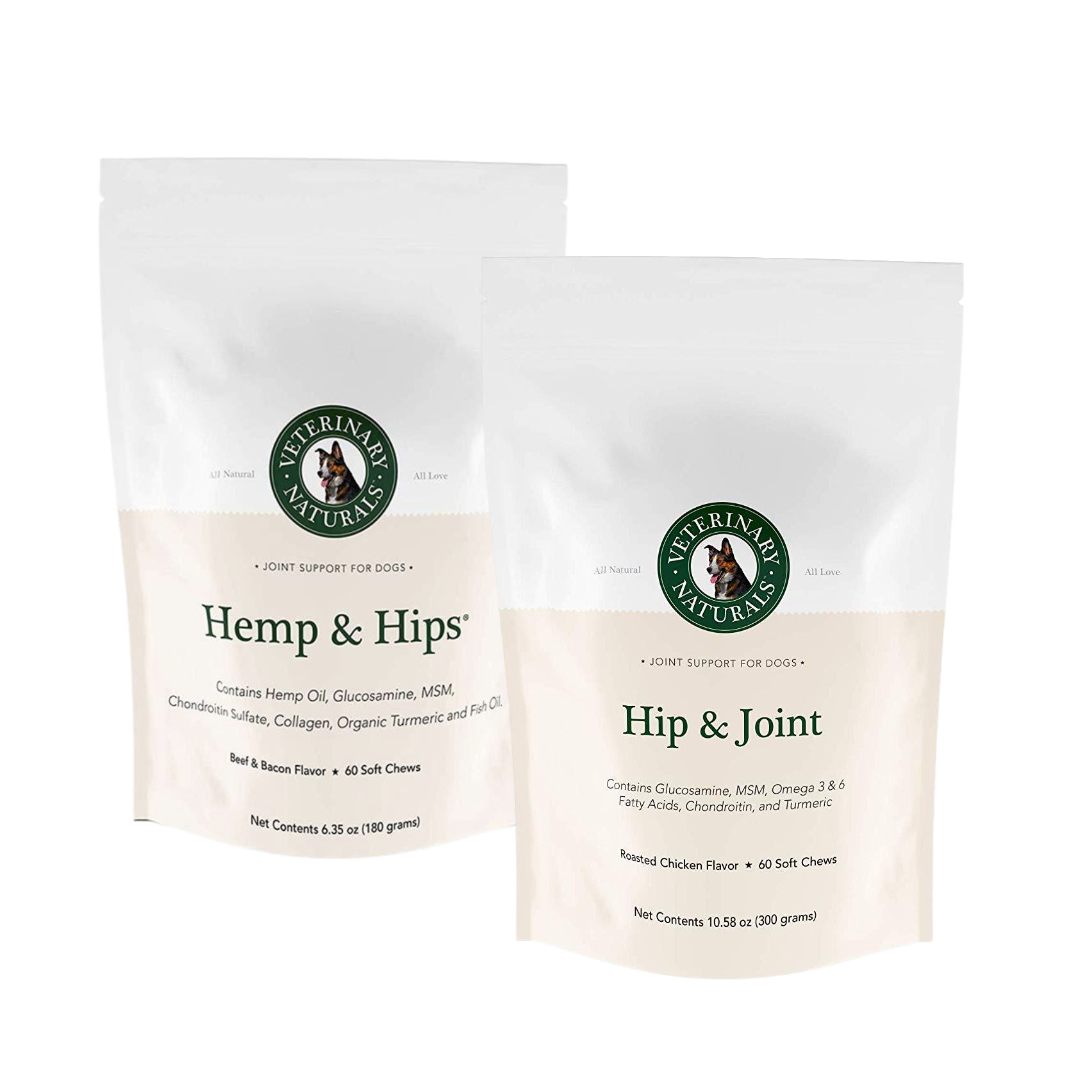
Hemp & Hips provides joint nourishment to help rebuild, support, and maintain healthy joints – even as our dog’s age. This natural relief also makes sure our dog’s joints are protected, keeping them healthy, flexible, and lubricated, while naturally reducing those aches and discomforts.
The rules of the competition and the prize for the winner are as follows:
With the holidays coming up, you might be wondering how to travel during the Covid-19 pandemic to see family. And while flying has proven to be relatively safe during this time, potential travelers are considering road trips—to avoid close proximity with others. So how do you prepare for a winter road trip with your dog? Here are five tactics to take, to ensure a safe ride.

A road trip with your dog can be a great bonding experience.
Get the Right Gear
You’ll want to purchase a restraining device for your dog, to keep everyone in the car safe. (If your pup happens to walk up front or get by your feet while you’re driving, you’ll endanger everyone else on the road, too.)
Look for a harness, safety belt, or pet carrier, and introduce your dog to it before you leave. Smaller dogs may love booster seats which double as plush ‘beds,’ and feature an attachment that secures them to your car’s seat belt.
Place new crates or booster seats in your home for a few days before the trip, and let your dog relax with the new items. If you have a safety harness, take a few prep rides before longer travel, and be sure to reward your dog with treats when secured in your car, so they associate all the new items with a positive experience.
Create Comfort
Even though your dog will be riding in your warm car, you may want to purchase a sweater or fleece for him to wear during travel. The mercury can drop into the single digits, and not all car heaters can keep up. You’ll also need to stop to take your dog out for potty breaks and something warm can help your pup feel more comfortable for quick trips outside.
Finally, having warm items on hand is essential in case of emergency, and you need to stop for long periods of time. Be sure to place a fleece pad in crates, and have a blanket on hand for your pup. You’ll want a blanket and plenty of warm items for yourself, too, and may even want to invest in a heated blanket (complete with 12-V adaptor) for long drives.
Take Breaks
Stretching tight legs can help both you and your dog. (For you, a short walk can help keep you awake. For your dog: It can help keep them calm.) Be sure to take potty breaks every two hours or so, to allow your dog to relieve himself and unwind. Park somewhere off the road (residential areas with sidewalks, hotels with dog-walking areas and parks are safe bets) and take your dog for a short walk.
It’s also a good idea to offer water during this time. Be sure to bring extra bottles and a water dish for your pup.
 Keep Calm
Your dog may or may not experience travel anxiety, yet even so, it’s always a good idea to maintain a soothing environment within your car. Your pup will not just like it, she’ll want to continue on as your road-trip companion. Bring your dog’s favorite toys and consider filling hollow chew items with frozen yogurt or peanut butter.
You may also want to swap your favorite metal tunes for an audiobook or soothing folk music, depending on how your dog is handling the ride.
Supplement if Needed
Some dogs are simply too nervous for travel, and in these cases, it may be kindest to leave them home with a sitter. If you need to bring an anxious pup on your travels, supplementing with a calming aid could help. Look for ingredients like L-tryptophan (which is the component in turkey that makes you feel sleepy after a Thanksgiving meal), and valerian root. Hemp & Harmony includes calming ingredients along with ginger root, which can help relieve mild nausea. As always, consult your veterinarian before administering any supplements or over-the-counter medications.
It’s gifting season and many people opt to add a four-legged friend to the family. If you’re getting a new puppy, however, there are several things to consider; just as there would be when bringing home a baby. Get off on the right foot—and paw—with these six tips for a healthy and rewarding first year.

Even the smallest mouths can do big damage.
Puppy-Proof the Home
Puppies are naturally mischievous creatures. It’s how they learn, discover, and entertain themselves. But, to keep them—and your most prized possessions—safe, you’ll likely need to take some precautions. Start by addressing each area of the home while putting yourself in your young dog’s perspective. Look for potential dangers such as electrical cords and power strips, candles, space heaters, fans, and plants, placing them on higher shelves, or removing them altogether. You may consider raising or tying drapes to make them inaccessible. Window and door screens could be a hazard if your puppy scratches or bites through the barrier, so ensure your pup cannot access these areas. Some pets are even clever enough to nuzzle their way through closet or bedroom doors, so be sure to pet-proof closet interiors, too. If you’re decking the halls for the holidays, consider placing a barrier around decorative items or stowing them out of reach.
Get the Right Supplies
Gathering goodies for your pet isn’t only enjoyable—it’s necessary. While there are plenty of products on the market that you can go without, some—even toys—are essential. First, make a stop at the collar and leash aisle and choose a cloth or nylon neck collar and clip-on leash that will fit your puppy right now. You’ll likely have to upgrade to a larger size or two in the near future, depending on your pet’s expected size.
Refrain from choosing prong collars, chain leashes, and retractable leashes, which can be cumbersome and uncomfortable for both you and your puppy. Slip leads are an excellent tool for training, so add this to your list as well. If your puppy is a brachycephalic or flat-nosed breed (i.e. bulldog, boxer, or Shih Tzu), you’ll need a harness, which should be used in place of a traditional neck collar for leash use.
Don’t forget a personalized identification tag to complete your pet’s ensemble. Next, pick up a variety of toys that address different senses and urges. For instance, toys that make noise and that have different shapes and textures. Puppies love to chew, so a strong rubber chew toy is ideal to satisfy this urge, but stay away from hard toys and treats. A good rule of thumb is if you can’t bend or compress it, skip it.
Next, choose a few essential grooming tools such as nail clippers, styptic powder, a brush, and gentle puppy shampoo. If your puppy will have long or thick hair, you may need a few different brushes and combs. Lastly, add a couple of stainless steel or ceramic food and water bowls to your cart before choosing a puppy food.
Choose Quality Puppy Food 
Puppy food is quite simply the most important item you’ll buy for your new friend, so invest wisely. Opt for a well-researched food that utilizes high-quality ingredients and that meets the Association of American Feed Control Officials (AAFCO) standards. Many brands even offer specialized puppy foods based on size or breed. Ask your breeder or shelter staff what kind of food your pup’s been eating and decide whether you want to switch to a new food. Your veterinarian can help you with this decision. If you choose a new food, you’ll need to gradually transition your pup over several days to avoid digestive upset. For instance, on day 1 feed ¾ portion of the older food along with ¼ portion of the new food, the next day ½ and ½, and so on. You’ll do this again at around one year of age when you transition your puppy to adult food. Be sure to grab a couple bags of bite-sized treats for puppy classes and at-home behavior training.
Visit Your Veterinarian
One of the most important steps in owning a new puppy is obtaining adequate veterinary care. Young pets require frequent health checks to ensure they are growing properly and that they are free from congenital problems. Preventive care, including immunizations and parasite prevention, are crucial components of these early vet visits—and timeliness is everything. For juvenile dogs to mount an appropriate immune response to dangerous infectious diseases like parvovirus and distemper virus, they must receive their vaccinations at particular intervals—typically beginning at 8-weeks-old and then every three to four weeks until they reach 16 weeks of age. After that, you can expect to return for the spay or neuter surgery at your veterinarian’s recommendation, but this is typically done during the first year.
Other discussion topics that may come up at your veterinary visits include microchipping, dental care, and wellness and/or insurance plans. Do yourself a favor and come prepared with questions and concerns for these important appointments—this is your chance to pick the expert’s brain. In the meantime, if your puppy comes down with an ear infection or an episode of vomiting, you may find yourself at the clinic more often. This is all to be expected during the first year of your dog’s life, but developing good, healthy habits with your pup early may help you avoid unexpected vet visits later on.
Desensitize and Socialize
Your puppy’s formative weeks are the ideal time to acclimate her to other pets, people, and routines. From about three weeks to three months of age, puppies experience their most sensitive period for socialization—one of the most important times in her life. Without adequate opportunities to meet new animals and people, she may become fearful of unfamiliar faces as she grows older. Unfortunately, this time period coincides with their most physically vulnerable period as most puppies this age are not fully vaccinated. Therefore, while you’ll want to avoid dog parks and situations where it is difficult to monitor who your pet is coming into contact with, controlled group settings such as puppy classes and planned meet-ups are great ways to provide social opportunities while staying safe.
This life stage is also the best time to desensitize your puppy to new sights, sounds, and sensations. Many common canine aversions, such as a distaste for nail trims, ear cleanings, and tooth brushing can be avoided with timely conditioning. Accustom your pup to these procedures by touching her feet, toes, mouth, teeth, ears, and other potentially sensitive areas often, rewarding her along the way.
Practice Patience
Puppies are a lot of work. It’s not uncommon for new puppy owners to experience bouts of frustration and anger. From housetraining to behavior training to ‘round-the-clock bathroom and play breaks, caring for a puppy isn’t far off from raising a baby, so allow yourself some grace during this temporary period. That being said, consistency in feeding, training, and all other aspects of your puppy’s life will help her feel safe, secure, and confident, leading to a well-mannered adult dog.
Begin training early, especially if you’ve taken on a large or giant breed puppy who may quickly grow to become a safety hazard without proper discipline. Remain steadfast in your behavior and house-training methods and ensure all family members are on the same page regarding commands, which behaviors are tolerated, and which are not. Of course, while diligence is essential, providing unconditional love is equally important for growing puppies. Simultaneously practicing patience, affection, and discipline is no easy task, but the end result will leave you with a well-behaved lifelong companion by your side.
Did you know that an estimated 232,000 dogs visit vet emergency rooms each year with symptoms of poisoning? The culprit is usually related to one of the scary foods below. Before we get to those though, I just want to make something clear. This list is far from exhaustive, and it doesn't even go into foods and ingredients that can cause allergic reactions. Sometimes, something as simple as a single inactive ingredient in your pup's daily supplement can cause a major reaction. That's why Vet Naturals is formulated without any unnatural or unnecessary ingredients. We include only what your dog needs to feel better. Nothing more, nothing less. And since there's nothing scarier than giving a dog a supplement that was tested on other animals, we are also committed to being a 100% cruelty-free company.
Got it? Great! Now, let's check out the top 5 scariest foods your dog should avoid.
Chocolate
You’ve likely heard this before, but dogs and chocolate do not mix. In fact, this ingredient tops the list of nightmarish foods in the veterinary world year-round, and Halloween is certainly no exception. Chocolate contains powerful chemicals known as methylxanthines that affect the nervous, cardiovascular, and respiratory systems in dogs. While people can easily digest methylxanthines, pups metabolize these compounds at a much slower rate, putting them at risk for a dangerous build-up of caffeine and theobromine—the two methylxanthines found in chocolate.
It’s true that baking and dark chocolates have more concentrated levels of these chemicals, but even milk and white chocolates have the potential to cause serious harm to dogs who ingest them. Some common signs of chocolate toxicity include vomiting, increased drinking, and hyper-excitability, which may progress to incoordination, seizures, or cardiac arrhythmias. Whether by hayride or broomstick, head to your veterinarian right away if your pet exhibits any of these signs on or around Halloween.
Xylitol
Commonly found in chewing gum, toothpaste, peanut butter, and artificially-sweetened baked goods, xylitol is a popular ingredient in many products. It’s also likely to lurk in a variety of Halloween candies—unbeknownst to many pet owners. Xylitol tricks a dog’s body—chiefly, the pancreas—into releasing an abundance of insulin, which can cause alarmingly low blood sugar levels. High levels of the substance may even lead to irreversible liver damage.
Signs of xylitol intoxication are similar to those of chocolate poisoning, including vomiting, disorientation, tremors, and seizures, and it only takes a small amount of xylitol to cause a big problem. Even one stick of sugar-free gum can induce toxic outcomes in small dogs.
Raisins
Raisin toxicity in dogs is unfortunately common. In fact, grapes, raisins, currants, and anything else from the Vitis spp group has the potential to cause severe and acute kidney injury in dogs. And, since many popular Halloween candies, bars, and mixes contain these fruits, it can be a common problem this time of year.
The mechanism by which raisins cause kidney failure is not completely understood, but it may be related to the dog’s metabolism, chemicals inside the fruit, or residues on the fruit. Signs that your dog may be experiencing grape or raisin toxicity include vomiting, diarrhea, increased drinking or urination, abdominal pain, or inappetence. Unfortunately, you can’t cure raisin toxicity but, curiously, some dogs don’t appear to be affected by grape or raisin ingestion at all. Until we better understand this problem, be sure to keep raisins away from your dog.
Sugar and fat
The hallmarks of Halloween candy are also what make them so appealing to us—and our dogs. Sugar and fat have an impressive impact on brain receptors that register pleasure and satisfaction, which keeps us coming back for more. But, ingesting high amounts of sugar and fat can put your pet at risk for a painful, and even sometimes fatal condition known as pancreatitis. The pancreas, an organ with both digestive and endocrine duties, can easily become overwhelmed if met with a large, rich, and fatty meal. This causes the organ to release enzymes and other inflammatory substances that end up causing harm to itself.
Signs of pancreatitis may begin shortly after consumption of rich, fatty foods but it could take up to four days before pets become ill. Keep an eye out for signs like vomiting, diarrhea, inappetence, lethargy, and abdominal pain, being sure to report any abnormalities to your veterinarian. Remember that long-term ingestion of high-fat and sugar-laden foods can also put your dog at risk for obesity and diabetes—two other common, crippling conditions that afflict our pet population.
Candy Wrappers
When was the last time you watched your pet unwrap a chocolate candy bar before devouring it? Chances are, they skipped this step and went straight for the entire bag—plastic wrappers and all. Not only are many popular Halloween candies capable of making dogs sick, but their packaging could lead to a chilling chain of events, too. While candy wrappers are unlikely to cause toxic effects after ingestion, they can bulk up in the stomach or intestines, putting your pet at risk for a dangerous obstruction that could require surgery.
Gut health and the microbiome are garnering a lot of attention lately, in both humans and animals. While still a relatively new research field, our understanding of the human microbiome is rapidly evolving, and veterinary findings aren’t far behind. We're proud to say that over 100,000 dogs love Vet Naturals, and a big part of that is because our products help support gut health. Evidence suggests that our dogs’ unique intestinal flora influences much more than simply digestion and metabolism. Rather, these microbial environments heavily influence a plethora of other bodily processes. It’s no wonder we use the term “guts” when referring to boldness or fortitude—the gut is a critical player in global pet health.

A microbiome is a mini-ecosystem consisting of a vast range of microorganisms including fungi, viruses, protozoa, and—largely—bacteria. Each body system has its own, unique microbiota, but the intestines house the largest population of these tiny organisms, with over one trillion microbes. To put this into perspective, your pet consists of billions of cells that make up their hair, eyes, skin, bones, and well, their whole being. Yet, the population of microbes in your pet’s gut still trumps this number by a factor of ten. Amazingly, no two pets have identical microbiomes, making these wildly unique communities a fascinating area of study. And, while most people can appreciate the gut microbiome’s role in digestion, this tiny habitat has so many important jobs that it is sometimes referred to as the “forgotten organ.” Let’s take a closer look at its many functions:
● Metabolism, nutrition, and vitamin synthesis— Gut bacteria are experts at breaking down complex carbohydrates and fibers that would otherwise pass through the stool as undigested material. This process, known as fermentation, results in beneficial end-products for the host (your pet). These end-products or, metabolites, provide energy for host cells, contribute to cell proliferation, and aid in fat absorption. Furthermore, gut microbes help synthesize vitamin K and several different B vitamins.
● Immunity — As a primary barrier between the gut mucosa and the outside world, your pet’s intestinal flora plays a fundamental role in overall immune function. Not only do these microbes help ward off harmful pathogens that enter the gut, they also communicate with and influence host immune cells by providing energy and even modulating their activity. Studies have shown that, at birth, germ-free animals have fewer immune cells in the intestines and in the blood compared to animals exposed to bacteria, indicating an intricate relationship between gut microflora and immune function.
● Neurologic and brain function — An emerging area of microbiome research suggests that “experimental changes to the gut microbiome can affect emotional behavior and related brain systems.” Early evidence shows that alterations in the bacterial make-up of the gut may play a role in brain diseases such as autism, anxiety, and depression. A study in dogs even revealed a statistically significant improvement in anxious behaviors after supplementation with a particular probiotic strain.
● Kidney function — As scientists explore the myriad of ways the gut microbiome impacts the body’s systems, human findings suggest that kidney disease may alter the bacterial make-up of the gut flora, too. This link allows for an interesting area of study with the potential for valuable new treatment options for this chronic disease.
The gut microbiome is comprised of thousands of diverse species of bacteria—some beneficial, some unwelcome—that collectively work to affect intestinal and other physiologic functions. When the microbiome is unbalanced, a reduction in bacterial species diversity or an increased number of pathogenic bacteria may occur, leading to a variety of clinical signs. This condition is known as dysbiosis. Affected pets may experience gastrointestinal signs, difficulties with nutrient absorption, or changes in fecal consistency, among others. Interestingly, dysbiosis can cause these abnormalities, but certain disease processes may also induce dysbiosis. Since this delicate ecosystem has such an impact on overall wellness, an unbalanced microbiome may be to blame for pets with a variety of health conditions. Chances are, however, if your pet is healthy, their microbiome is too.
Manipulating your pet’s intestinal flora may be necessary at some point in their life. Whether an acute case of diarrhea, a chronic gastrointestinal condition, anxiety, or even allergies, your veterinarian may recommend different products to support your pet’s intestinal health. Remember to always consult with your veterinarian before initiating a supplement or diet change. Here are some proven treatment options that may be presented to you, depending on your pet’s condition:
Prebiotics — You can think of prebiotics as nourishing food for favorable gut bacteria. Providing these specific fibers encourages beneficial bacteria to produce helpful metabolites, like short-chain fatty acids. While some prebiotics are safe for pets, like inulin and certain whole grains, others can pose risks of toxicity. They may be helpful in humans, but prebiotics like green onions and garlic could cause a dangerous red blood cell loss known as Heinz body anemia.
Probiotics — When we directly provide the gut with adequate amounts of beneficial bacteria or, probiotics, we can successfully alter the intestinal microbe balance for the better. Pet probiotics are becoming a hallmark for treating diarrhea, intestinal disorders, and even anxiety. While veterinary research into probiotic effectiveness is ongoing, the benefits in human medicine are well-established. Veterinary Naturals’ Immune & Allergy Chews provide both prebiotics and probiotics to help support pets with immune, allergic, or digestion problems. Your veterinarian can determine if your dog requires a specific probiotic strain.
Medications — When undesirable bacteria proliferate in the gut, antibiotics or other medications may be warranted. Ideally, this treatment will be given alongside a probiotic to encourage a healthy microbial balance.
Prescription foods — Specific diets with unique combinations of fiber, vitamins, prebiotics, and probiotics may be indicated for pets with specific health conditions.
Your dog’s gut is responsible for an incredible array of duties that keep her healthy, so it makes sense to take good care of it. Start by feeding your pet a nutritious diet and consult with your veterinarian about specific supplements that address her unique needs. While there is still much to learn about the emerging microbiome field, current findings suggest that this mini-ecosystem is capable of influencing overall canine well-being—a gutsy role, indeed.
~~~
Sources:Intestinal Microbes and Digestive System Disease in Dogshttps://www.ncbi.nlm.nih.gov/pmc/articles/PMC1500832/ https://www.hillspet.com/content/dam/cp-sites/hills/hills-pet/en_us/microbiome-landing/welcome-to-the-world-of-microbiome.pdf https://www.ncbi.nlm.nih.gov/pmc/articles/PMC6794400/ https://www.ncbi.nlm.nih.gov/pmc/articles/PMC4228144/ https://www.purinaproplanvets.com/media/530875/nutrition-exchange-insert-dec2018.pdf Vrieze A, Out C, Fuentes S, et al. Impact of oral vancomycin on gut microbiota, bile acid metabolism, and insulin sensitivity. J Hepatol 2014;60:824-831. Cox LM, Blaser MJ. Antibiotics in early life and obesity. Nat Rev Endocrinol 2015;11:182-190.
Did you know there are three types of cannabis-related drugs? Or perhaps you've heard CBD comes from hemp. What about the 2018 Farm Bill? And then there's this shocking fact: Marijuana has been used by humans since 500 B.C.
Another fact you're likely hearing more about: CBD for dogs is becoming increasingly popular--both for pet owners and veterinarians. There are countless facts about CBD and its benefits. It's suggested for everything from soothing anxiety to helping reduce inflammation. It's recently become a veterinary darling, too. For more surprising facts about this popular supplement--as well as information on how it might help your dog--download our special report on CBD from Vet Candy.
Get our Free Guide to CBD delivered right to your inbox.
Western veterinary practices have made great advancements in recent years for dogs. From new surgical approaches to disease-fighting medications to state-of-the-art diagnostics: The developments have proven their worth. Yet while few will argue the benefits of conventional veterinary medicine, many are just now recognizing the appeal of so-called alternative therapies or integrative medicine. This trend in human medicine is clearly mirrored in the veterinary world, where more and more pet owners are seeking ways to address their pet’s health with a more natural, less-invasive approach.
Rather than choosing one style of medicine over another, however, many veterinarians are recommending complementary therapies like acupuncture, chiropractic, and massage in addition to conventional care to treat their four-legged patients. Alternative remedies offer a unique treatment style that, when combined with traditional Western methods, can provide a holistic, multi-modal approach to overall pet wellness. So, how might alternative therapies benefit your dog? Depending on your pet’s needs, one therapy may be more suitable than another, but most options can benefit pups in a myriad of different ways. Here are a few examples:
Anyone who’s had a therapeutic massage knows the benefit of a healing touch. But, by using specific hand movements, massage therapy can actually improve muscle functioning by relieving tension and increasing joint range of motion. This is especially important for active dogs that participate in racing, agility, or other high-energy sports, when quick movements and heavy impact may put them at risk for sports-related injuries. A pre-workout massage can help prep and warm the muscles prior to use, encouraging blood flow and reducing the possibility of injury during exercise. Massage is also an excellent post-training therapy that encourages relaxation and soothes sore muscles. Veterinarians are trained to provide simple instructions on range of motion exercises for pets, but look for a Nationally Board Certified Practitioner of Animal Acupressure or Massage for the benefit of a highly-trained therapist. Depending on your dog’s needs, your family veterinarian may refer you to a certified canine rehabilitation therapist (CCRT) or a board-certified veterinary sports medicine and rehabilitation practitioner for more specialized care.
Veterinary practitioners worldwide are recognizing the healing power of laser, which stands for light amplification by stimulated emission of radiation. Therapeutic lasers emit single wavelengths from the red or infrared spectra that, when directed at the body, may increase vasodilation, energy, and antioxidant production in tissues. This acts as a little power boost, sending the body into active repair mode to heal damaged tissues, decrease inflammation, and even relieve pain. While there is still controversy regarding the efficacy of laser therapy, it continues to be a popular choice for pets recovering from surgeries, wounds, and even chronic musculoskeletal conditions like osteoarthritis. If your family veterinarian doesn’t offer laser therapy at their facility, they may refer your pet to a veterinary physical rehabilitation center for treatment.
 Chiropractic can do wonders for pain control.
 Also known as Veterinary Spinal Manipulation Therapy (VMST), chiropractic care focuses on adjusting subluxations in the spine that contribute to pain, decreased range of motion, and nerve dysfunction. With the spine being the literal backbone, it’s alignment is essential for optimal canine health, from nose to tail. A qualified practitioner can restore normal joint movement with a painless, relaxing procedure that involves gentle, high-velocity thrusts at specific angles. Chiropractic is a wonderful complementary therapy to any pain management regimen, but it can also address a multitude of other health concerns such as incontinence, injuries, and even seizure disorders. Since our dogs cannot verbally communicate when and where they feel discomfort, pain can be difficult to quantify in companion animals. Therefore, pets of all ages, breeds, and health conditions may benefit from regular chiropractic care. Speak with your family veterinarian about referral to an American Veterinary Chiropractic Association (AVCA) certified doctor for your dog’s treatment.
Acupuncture involves “the insertion of needles into specific points on the body to produce a healing response,” according to the International Veterinary Acupuncture Society. These specific points, known as meridians, indicate where certain blood vessels and nerves converge. When stimulated with a fine, sterile needle, these acupressure points cause a boost in blood circulation, encouraging the release of a whole host of healing, calming, and anti-inflammatory elements. The end result is often a relaxed and pain-free pet. While some owners fret at the thought of their dog receiving a series of needle insertions, acupuncture is actually widely tolerated by furry friends. In fact, many pets welcome the treatments once they experience the flood of endorphins and feel-good response that comes with regular sessions. The potential sedative effects of acupuncture make it a great adjunct treatment for canine anxieties, fears, and phobias. Keep in mind that, like many therapies, acupuncture often requires consecutive treatments for optimal results. It also works best when combined with other treatment modalities, depending on your dog’s specific needs. Work with your veterinarian to find a reputable, certified veterinary acupuncturist near you.
While it may be tempting to pursue alternative therapies for your dog on your own, most providers will require a referral from your veterinarian—and for good reason. Many alternative procedures are largely safe for pets, but there can be risks. For instance, improper therapeutic laser usage could cause ocular damage—in the patient, the practitioner, or anyone else in the treatment room. Chiropractic adjustments may cause minor—and usually temporary—side effects like soreness or lethargy, but profound damage could occur if the practitioner is too forceful or otherwise untrained. Acupuncture is considered very safe, but a successful treatment could mask your pet’s pain, potentially hiding an undiagnosed condition. Additionally, since many states have differing laws and regulations regarding who is allowed to perform certain therapies on pets, a quality recommendation from your veterinarian is essential. Express your interest in alternative therapies and work with your family veterinarian to create a tailored, integrative, and holistic approach so your pet can achieve optimal health through a variety of therapies.
Sources:
https://www.ivas.org/about-ivas/what-is-veterinary-acupuncture/
https://todaysveterinarypractice.com/practice-building-integrative-medicine-the-evidence-economics-logistics-of-an-emerging-field/
https://todaysveterinarypractice.com/recovery-rehab-laser-therapy-in-companion-animals-2/
https://www.ncbi.nlm.nih.gov/pmc/articles/PMC4847466/
https://www.researchgate.net/publication/228621606_The_effect_of_low_level_laser_therapy_on_surgical_wound_healing
https://www.animalchiropractic.org/find-a-doctor/
https://www.nbcaam.org/certification-exam-requirements
https://vcahospitals.com/know-your-pet/veterinary-massage-therapy
https://medwinpublishers.com/OAJVSR/OAJVSR16000184.pdf
When it comes to stress--for better or worse--dogs are just like us. According to the College of Veterinary Medicine at the University of Illinois Urbana-Champaign, up to 40% of dogs are seen by vets for anxiety disorders. And just as back-to-school season can cause stress for humans, it’s much the same for dogs. In fact, now that many states have been releasing COVID-19 stay-at-home restrictions, many Americans are heading back to the office, leaving their four-legged friends at home.
So how do you help your dog cope with separation anxiety? It’s a matter of soothing stress--and even preventing it. Here are six tips to help keep your pup happy at home:
 Encourage Independence
This is something you’ll want to do before anxiety kicks in, though it’s never too late to start. “Encouraging dogs to be independent decreases the likelihood of developing separation anxiety and can also help treat it,” says Leah Cowburn, DVM, a primary care veterinarian for the Last Chance Animal Rescue in Waldorf, Maryland. For starters: “Do not encourage your dog to be overly clingy and always by your side.”
So as much as you love having your dog follow you everywhere--encourage him to stay, and even play alone with toys.
Cowburn suggests signing up for training and socialization classes when your dog is a puppy. You can also bring your dog around new people and pets, or into different environments.This can help your pup build confidence that can translate across multiple situations.
You might be just as happy to see your dog as she is excited to see you, but keep calm when coming home. The same goes for leaving. “Making a big deal about coming and going can cause dogs to be triggered because they’ll learn what to expect,” Dr. Cowburn says. Instead, “prepare for your departure as much as possible while keeping your pet occupied.”
Cowburn suggests investing in enrichment toys to keep your dog mentally engaged. “If possible, try not to let your dog see items he can associate with departure, such as keys, shoes, and your coat,” she says. “And when arriving, act neutral. In some cases, you may have to ignore your dog so he does not associate positive reinforcement with your coming home.”
Exercise is excellent for helping pets beat stress (just as it’s much the same for us). And with dogs, burning off some energy can help them sleep while you’re away. Cowburn suggests making long, brisk walks a morning habit. It can help launch your day in a clear, calm way.
For those of you who run, if your dog is fit enough, enlist him as a partner. The extra exercise can do wonders for your mental and physical health as well.

Give your dog the creature comforts you love. “Soft bedding can help keep your dog comfortable and calm,” Dr. Cowburn says. “White noise or calming music can also be helpful.”
Yours truly can personally vouch for the Jack Johnson channel on Pandora, for successful canine calming. Choose what makes sense for you, and if you want to get really creative, make your pup a special mix.
You’ll also want to make sure your dog’s environment is safe. “If your dog is destructive, ensure there are items that are safe to destroy yet which are not potentially toxic, or which may cause a gastrointestinal blockage if ingested,” Dr. Cowburn says. And that goes for plants, too. Check out this ASPCA list of toxic plants, to help keep your dog safe while you're out.
Choose toys rated for tough chewers, and do not leave out anything that can easily be torn or splintered. If your dog shreds stuffed toys, for example, it’s wise to remove them until you’re home, as they can cause trouble if ingested.
Talk to your vet about your dog's behavior and ask if your pet might be a candidate for supplements. Ingredients like valerian root and tryptophan are known to help calm canine jitters. Your vet can help you determine what may or may not be right for your dog depending on his needs and health. If your pup has been cleared, a product like Vet Naturals Hemp & Harmony can help take the edge off stressful situations for your dog.
“Do not punish your dog if they misbehaved while you were gone,” Dr. Cowburn warns, “as this will create more fear and anxiety around your absences.”
If your dog exhibits anxiety, try to soothe him, and even better, do your best to prevent it. It may require patience on your part, but that’s just part of being a parent, even of the four-legged kind.
Your instinct as a dog mother or father is no doubt second to none. You can sense when your dog is hungry, sleepy, or just in need of a cuddle.
But do you know how to check if your pup's health is in tip-top shape? This can be tricky—especially considering that your pooch can’t just tell you with words that something isn’t quite right! Fortunately, there are some tell-tale signs you can keep an eye on in order to ensure your dog is healthy. Here are six ways to tell:
Does your dog boast a shiny coat? It’s a good sign your dog’s nutrition is in top shape. A dull coat could be a sign of nutritional deficiencies. If your pup’s coat lacks any sort of sheen (and your dog isn’t a wire- or curly-haired breed) it may be a good idea to look into his diet. Are you feeding clean food without a lot of additives? Your dog may need a boost of Omega-3 fatty acids, such as in Omega Chews. According to the American Kennel Club, Omega-3 fatty acids help promote a shiny coat and can also help reduce inflammation.
Pain-free joints are one of the greatest signs your dog is in good health. Many dogs unfortunately suffer from osteoarthritis, particularly as they age. According to a study conducted by Banfield Pet Hospital, 16% of geriatric dogs are diagnosed with arthritis.
If your dog is experiencing joint pain of any kind, consult your veterinarian. Administering supplements like Hemp & Hips chews may help ease symptoms (and can help prevent aging-related pain), but check with your vet to ensure your pup isn’t experiencing an injury.
One of the best ways to keep your dog's joints healthy is through exercise! And it's even more important as your dog ages. Try to get your pup out for at least one good walk each day. It can help you stay in shape, too!

“Many dog parents aren’t aware of the state of their dog’s teeth and gums until they realize their dog is in physical pain,” says Angela Stringfellow from Pet Life Today. “But prevention is always better than a cure.”
Surprisingly, the American Veterinary Dental College says dogs can exhibit dental disease symptoms by the time they’re just three years old. Stringfellow suggests talking to your vet about how best to care for your dog’s teeth. She may suggest using a special dog toothbrush and toothpaste at home. (Note: While it’s OK to use a child-size toothbrush, do *not use human toothpaste on your pup’s teeth!)
“Regular teeth cleanings are also a must to prevent tooth decay,” Stringfellow adds. “If your dog is already exhibiting signs of dental disease (like bleeding gums, foul breath, or cracked or darkened teeth), don’t delay in seeking help.”
One of the best things about dogs is their boundless energy. If your four-legged pal is always up for a game of fetch or eagerly anticipating walks, this is certainly a comforting sign.
But what does it mean if your dog’s energy levels have dropped? There can be a number of causes of lethargy in dogs, including infection, metabolic disease, or even certain medications. It’s vital to not dismiss lethargy as a minor problem. Consult your veterinarian about noticeable behavior changes, and/or if the problem seems to be ongoing.
Does your dog clean his plate--and then some? Do his eyes light up when he hears the rattle of a can of dog food? These are key indicators Fido has a healthy appetite.
If your dog’s appetite has changed, this could be cause for concern. Hopefully, it could be something simple like he doesn’t like his current food. But it could be something more serious, such as a sign of a medical condition. If your dog is experiencing a loss of appetite, consult your vet.
One of the not-so-nice parts about being a dog parent is dealing with your pooch’s business. But there’s an upside to this task—dogs’ stools provide a good indicator of when they’re healthy… and when they’re not. According to Hill’s Pet, healthy poop (prepare yourself) should be a little firm with no coating, and ideally shaped like slightly cleaved logs.
If your dog’s poop doesn’t resemble this description in the slightest (or if it’s smelling foul), it may be time to take action. Hill’s Pet recommends looking at ‘the four Cs:’ content, coating, color, and consistency for signs that something isn’t quite right. If there’s cause for concern, consult your veterinarian.
If the above were a quiz and your dog scores six out of your six: You’re in good shape. And so is your pup! As with any veterinary health concern, it’s wise to consult with your dog’s veterinarian. Pet insurance may also be a good idea, as part of your dog’s overall health program. It can not only help ease the burden on your wallet, it could help make it easier for your dog to get the care she needs. Hopefully by watching the above six signs, you can help keep your dog in tip-top shape for life.
Have you ever wondered if CBD oil -- the substance often contained in hemp supplements -- could be a good option to help your dog? A good way to answer that question is to start by describing what CBD is and how it works within a dog’s body. CBD is short for active cannabidiol, which works by interacting with endocannabinoid receptors that exist in most living things on earth. Dogs have endocannabinoid receptors within them, which is why CBD is an effective way to change their behavior and reactions. In short, CBD can work within a dog’s body the same way it does with humans.
AKC’s Chief Veterinary Officer, Dr. Jerry Klein says that in most cases CBD does not contain delta-9-tetrahydrocannbinol (THC), the compound that produces psychoactive properties. CBD will not get your dog high, but it can affect certain aspects of your dog’s personality.
Is CBD a good option for your dog?
It’s a good idea to examine the pros and cons of CBD for dogs. Does your dog have severe pain or anxiety? If so, CBD could be a good option for your dog’s health. CBD may also be help if your dog experiences pain, anxiety, seizures, appetite issues or several other medical conditions.
It’s important to note that CBD may come with some side effects, including allergic reactions. Check with your vet before administering. There is also no guarantee that CBD oil will work well for your dog, as every pup is an individual.

The author's dogs benefit from CBD.
What conditions can CBD treat?
CBD is used to treat many types of problems within humans and dogs, such as:
Anxiety
CBD oil might induce drowsiness, which can calm your dog’s anxiety.
Pain
CBD oil is not proven to stop pain, but it has been shown to make some dogs less reactive. “Dogs seem to be less reactive to low-level pain stimuli such as from arthritis when taking CBD,” says Mark Verdino, DVM, senior vice president and chief of veterinary staff at the North Shore Animal League of America.
Seizures
The AKC Canine Health Foundation (AKCCHF) is studying the effects of CBD on dogs with epilepsy and frequent seizures. According to the researchers, many epilepsy medications available for dogs come with extreme side effects, which would make CBD oil appealing. CBD has minimal side effects in comparison.
Appetite
Does your dog not eat enough? If so, CBD may be able to help as it’s been shown to increase a pet’s appetite. This would be helpful if your dog needs to gain weight or they have lost interest in their food.
Allergies
CBD oil contains anti-inflammatory properties which can help skin irritations, for example, and potentially reduce itchiness.
Potential Side Effects
It is vital as a dog owner to be aware of everything that goes into your dog’s mouth. Here are some potential side effects that can come with CBD:
Drowsiness
As mentioned earlier, this is how CBD can help calm your dog--yet perhaps that’s not your desire. The amount of sleepiness your dog may experience depends on the dosage.
Lowered blood pressure
CBD has been shown to lower blood pressure when given in high doses. Check with your vet before administering, to ensure it’s safe for your dog, and to determine the correct dosage.
Dry mouth
CBD can decrease the production of saliva. Ensure your dog has access to water after giving them CBD oil or a CBD treat. If your dog seems dehydrated, see your vet.
Ataxia
This condition affects muscle control and has been seen in dogs taking CBD. The side effect is uncommon, yet if you notice your dog having trouble moving, immediately call your vet.
Decreased liver enzyme activity
Stop administering CBD and see your vet immediately if your dog experiences any of these potential, liver-related symptoms:
Bottom Line: Find out what is best for your dog
As with anything pet related, it’s important to have an open and honest relationship about your pets with your veterinarian. According to Dr. Klein, administration of CBD oil for pets by veterinarians was against the law as recently as 2018. Some states have now legalized this practice, however. The best way to find out if your veterinarian can legally talk about CBD oil for your pet is to simply ask. More research needs to be done, but so far CBD seems to help pets in ways it helps humans. Only you know your pet best, so consult with your veterinarian if you feel CBD might be a good option for your dog.
This may come as a surprise: 50% of dogs by the age of 10 have missing teeth and over 85% have some stage of periodontal disease—which means there is a lot of calculus (gunk) and gingivitis (inflamed gums) in the dog’s mouth. This often leads to bone loss, infection, and lots of pain. But there are things we can do to help prevent and manage dental decay. For dogs, dental health is key.

Prevention is key when it comes to dental disease and it has long been known that the gold standard is brushing your dog’s teeth. Brushing teeth daily can significantly reduce plaque and gingivitis--the leading c
ause of problems such as infection and bone loss. Infection is caused by the buildup of bacteria which is what creates dental plaque to begin with. This inflames the gumline and leads to irritation. Beyond that, the more bacteria grow and infiltrate, the more they can eat away at the tooth. Brushing teeth daily can help greatly disrupt this process.
It’s important to note that plaque starts to accumulate as soon as 24 hours after the last tooth brushing, so it is very important to brush daily or at the very least, every other day. As frustrating as it is, brushing teeth is worthless unless done at a regular frequency.
To start brushing teeth, you can look for a tooth brushing kit for pets. One often includes a dog-safe toothpaste, an angled toothbrush to make brushing the dog’s mouth easier, and a little finger cap-like piece that has bristles on it.
First, try to find a flavor of toothpaste your dog likes to make it a pleasant experience. Give a bit as a treat, and then use your finger (without the cap) to rub some paste on your pup’s teeth. Get your dog used to this feeling. Next, try adding the finger cap and then move to a toothbrush if you are able. The distinction between the finger cap and toothbrush is minimal as the friction of brushing teeth is what does most of the work removing plaque.
It is important to keep in mind that while using human toothbrushes is not a problem, there are a lot of ingredients in human-grade toothpaste that can be quite toxic for pets. So stick to pastes that are made for dogs, only.
 You may find that your dog will not tolerate brushing teeth. This is completely understandable, especially if you are starting your pup at an older age. If this is the case, the next best thing would be dental treats. These are sold over the counter at a variety of pet stores nationwide and are easy to acquire. They often taste delicious and encourage the dog to eat them without any work for you. The trick with these treats is that they provide some of the friction that toothbrushing would provide due to the way they are produced. As your dog chews, some of the plaque gets removed.
Of course, not all the teeth get equal coverage and some dogs don’t chew the treats for long enough to benefit. Still, if you are struggling to brush your dog’s teeth or your schedule does not allow you to brush your dog’s teeth frequently, this is a great, next best choice. Just remember to offset the calories in this new added treat by taking away other treats, or feed just slightly less throughout the day.
On a similar note, chew toys are a great way to care for your dog’s teeth. It is important to remember that not all dogs like chewing toys, and that toys can also be too hard. If you choose a toy that is too hard, you risk your dog fracturing a tooth. To test a dental chew or bone, you can use your nail to make an indentation in the toy. If you can’t, the toy is too hard.
Larger dogs are more prone to chew on toys that are too hard and frequently fracture teeth. These fractured teeth are then more prone to infection. On that note, if your dog likes to rip toys apart, as many Labradors Retrievers do, this may not be a great option as they could swallow a chunk and get it stuck in their digestive tract.
The last preventative point related to dental health for dogs would be water additives. There has been some mixed information on it. While there is evidence that water additives can help reduce plaque to some extent, veterinary dentists say it is not nearly as significant as the methods mentioned above. If you are trying to decide between a water additive or brushing your dog’s teeth, save your money and choose brushing and treats. If you plan on doing nothing at all, then a water additive may be helpful.
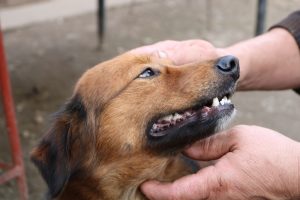
If your dog develops dental disease, it is important to work with your veterinarian and monitor for symptoms early on, like behavioral changes. Not all dental or behavioral changes result from normal aging. If you notice any issues, make sure to bring them up at your next routine appointment. Dogs tend to act very differently at the clinic due to the stress and excitement, and a veterinarian may only get a snapshot of your dog’s behavior.
Other important signs and symptoms include the following: bad breath, refusing to eat certain foods, weight loss and decreased appetite. If you notice any of these symptoms, be sure to mention it to a veterinarian. If dental disease is ignored, it can cause significant pain to your dog, and could eventually lead to an abscess. An abscess is a swollen part of the body that has a lot of pus. Abscesses can erupt, which would leave your dog with what would look like a puss filled hole in its jaw. Not only is this painful, it can also have a much longer recovery time and lead to additional medical conditions elsewhere in the body. Moreover, even if an abscess is not present, diseased teeth can lead to systemic infection as the bacteria from the teeth could enter the bloodstream.
Once your veterinarian either confirms or suspects a dental condition, they will likely recommend a professional dental cleaning under anesthesia paired with dental radiographs (x-rays). Dental radiographs help veterinarians see underneath the gum line and evaluate bone and ligament loss in the tooth. It also helps veterinarians look for anything that shouldn’t be there such as fragments of a lost tooth or something your dog chewed on that got stuck and is now causing problems. Once these radiographs are taken and evaluated, the veterinarian can then decide what treatment plan would be most appropriate for your dog.
At the end of the day, listen to your veterinarian. If you are hesitant, get a second opinion or go to a board-certified veterinary dentist. These specialists are veterinarians who have undergone additional training to specialize in all things tooth related. You can use the following link to find a specialist near you: https://avdc.org/find-vet-dental-specialist/.
Some people may be concerned that if a veterinarian recommends extracting teeth repeatedly, your dog may end up with no teeth. The reality is, this may happen. Veterinarians are not going to recommend removing healthy teeth, however, and as mentioned above, diseased teeth can lead to a lot of other problems. In this way, it is better to have no teeth than rotten teeth, and your dog can live very well with no teeth in the long term.
The biggest concern for owners of toothless dogs is what to feed. While it is true that eating large treats or kibble will prove more difficult and could be dangerous, there are a lot of great options out there. Kibble exists in a large variety of different shapes and sizes, and many dogs fair just fine with a smaller kibble. For those that don’t but still like the flavor of a certain hard food, you can add some warm water or chicken broth with no sodium to help soften the kibble.
Additionally, there are a lot of great soft foods for dogs that provide all the nutrition your dog may need. Your dog may even prefer the flavor of soft food to their previous hard food.
Dogs can experience dental problems which can lead to a lot of systemic issues and pain, but there are a lot of things we can do to prevent them and a lot we can do to manage them once they happen. And if you find yourself with a toothless dog, just know that it was the best thing for your pup, and that he will no longer be in pain or at risk of additional conditions caused by their mouth.
~~~
Photo credits:
Feature: Yoav Hornung, Unsplash, Smiling white dog: Marek Szturk, Unsplash, Small dog, Kim. Becker, Unsplash, Brown dog: Fox, Unsplash
Sources:
[1] Kyllar, M., & Witter, K. (2012). Prevalence of dental disorders in pet dogs. Veterinární Medicína, 50(No. 11), 496-505. doi: 10.17221/5654-vetmed; Gorrel, C., & Rawlings, J. (1996). The Role of Tooth-brushing and Diet in the Maintenance of Periodontal Health in Dogs. Journal Of Veterinary Dentistry, 13(4), 139-143. doi: 10.1177/089875649601300405; Clarke, D. (2006). Drinking Water Additive Decreases Plaque and Calculus Accumulation in Cats. Journal Of Veterinary Dentistry, 23(2), 79-82. doi: 10.1177/089875640602300203; Niemiec BA, ed. Veterinary Periodontology. Ames, IA: Wiley Blackwell; 2013.
You’ve probably heard them: those sometimes loud gurgling noises coming from your four-legged friend’s belly. Sometimes your dog might act uncomfortable, stretching out like a cat (or what’s known in yoga as Downward-Facing Dog). Perhaps he stops eating, or you see him eating grass. Sometimes your pup might act like nothing is wrong at all. Should you be concerned when you hear your dog's stomach gurgling? Here’s what to know.
What are gut sounds?
The noises you’re hearing come from your dog’s gastrointestinal tract. The medical term for these sounds is Borborygmi, and what’s happening is gas is moving through the intestines. The amount of gas depends on how the normal bacteria in the colon are working on breaking down undigested food. Amounts of gas vary depending on the individual dog, diet, and when the last time food was consumed.
It is normal for the intestine to contain gas, yet sometimes it can move rapidly to the large intestine (colon).
Are loud gut sounds in dogs normal?
Sounds from a dog’s abdomen in most cases are not concerning and can occur as part of the normal digestion process. The gut will also make noise when hungry. Peristalsis occurs after ingestion of food, but also more frequently after a dog’s stomach has been empty for about two hours.
When a dog (or human) is hungry, signals from the brain tell the digestive organs to prepare for a meal. Many dogs may have an increase in gut sounds in the morning before they have had a meal, or if they have been fasting for many hours.
Dogs often can ingest too much gas, too, which can also lead them to have increased Borborygmi.
You may notice more noise in the summer, too. Panting due to heat and exercise can cause an accumulation of gas in the gastrointestinal tract. Eating and drinking very rapidly can also cause increased gas.
If your dog seems to be feeling well and has no other abnormal clinical signs, the noises you hear are normal and not causing any pain or discomfort.
When is the noise a concern?
Excessive gas in the gastrointestinal tract causes louder or more frequent gut sounds—and it can lead the intestine to have increased activity and contractions.
If your dog’s gut sounds increase in frequency or volume (perhaps you can hear them from across the room), or if your dog shows additional signs of distress, you should consult your veterinarian.
Gut sounds are definitely a concern when they are associated with other clinical signs as gastrointestinal upset is present. These signs include:

There are many potential issues or diseases that can cause loud gut sounds accompanied by the clinical signs mentioned above. After a physical exam, your veterinarian may recommend tests such as blood work, urinalysis, or imaging of the abdomen to find out why your dog is exhibiting these signs.
Note: Dietary indiscretion (when your dog eats something they shouldn’t) is one of the most common causes of increased gut sounds in dogs. When the gastrointestinal tract is exposed to something that irritates it—it could be a new food, chew stick, soil, all the countless things dogs like to get into—it will work extra hard to break what has been ingested down. This causes an upset stomach for your pup, as well as gastroenteritis (inflammation of the stomach and intestines), which leads to excess contraction of the intestines. This can then create even more noise from the abdomen. In most situations, gastroenteritis will be mild and often responds to a bland diet and supportive, veterinarian-prescribed care such as anti-nausea or anti-diarrheal medications.
Sometimes dogs consume a toxic substance or something that may cause a blockage in the gastrointestinal tract. There are many toxins dogs can get into, for example, including grapes, raisins, chocolate and human medications. An obstruction of the gastrointestinal tract is also very serious, and in some cases requires emergency surgery to remove the foreign object as it can be life threatening.
When the foreign object becomes anchored in the stomach or intestines, the intestines will try to work extra hard to move this object down the gastrointestinal tract. This will lead to excessive peristalsis—which leads to loud, frequent gut sounds.
Inflammation of the pancreas, or pancreatitis, causes digestive issues that can also lead to excessive Borbyrgmi. The role of the pancreas is to produce enzymes (substances which cause a chemical reaction) that are important in digestion. Pancreatitis in dogs can occur from dietary indiscretion, such as consumption of a fatty meal. Some breeds such as the Miniature Schnauzer and Miniature Poodle, have a genetic predisposition to developing pancreatitis more frequently than other breeds.
Inflammatory bowel disease (IBD) can also lead to abnormal contractions of the intestines. This occurs due to the immune system producing abnormal cells that damage the delicate walls of the intestine. Loud gut sounds, vomiting, diarrhea and weight loss are often seen.
 Is there anything I can give my dog for loud gut sounds?
An increase in noise alone does not require any medications or treatment. Check with your vet before administering any medications.
Supplements can sometimes be helpful in supporting your pup's overall health. Those containing prebiotics and probiotics can help maintain healthy gut bacteria—otherwise known as the microbiome. If the microbiome is unbalanced, this may lead to excessive gas in the intestines. Prebiotics are sources of fiber that help with the growth of the good bacteria. Probiotics are the actual live bacteria that are a normal component of the microbiome, in the form of a supplement. These bacteria bind to the cells in the intestines, causing them to release compounds that aid in proper digestion.
What can I do to prevent my dog from having excessive gut sounds?
Nutrition plays a critical role in ensuring your dog has normal digestive health. Finding a high quality food that works for your dog can be difficult. In most cases, veterinarians recommend commercial dog food over home-cooked diets to ensure that all the vital nutrients dogs need are included in the food.
Staying consistent with the chosen diet is important, too. Changing diets too frequently can lead to indigestion. Instead, transition your pup to his new food by adding small amounts to his old food over a period of at least a few weeks. Anytime something out of the normal diet is consumed--whether table scraps, treats, chew sticks or something you did not want your dog to get into—you’ll likely hear gut sounds (or even see your pup eat grass).
If your dog develops vomiting or diarrhea, you can try to feed a bland diet of boiled chicken breast and white rice (with no additives) as long as your dog does not have related food allergies. If constipation is an issue, some dogs may do better on a high fiber diet. Adding canned pumpkin to the normal dog food can also help.
If your dog excessively pants while exercising, you may want to take intermittent breaks so gas does not accumulate in the gastrointestinal tract. For dogs that eat too quickly, moistening food, splitting meals, or using food toys can help slow things down. Of course, the best way to keep your dog’s tummy healthy (and quiet) is to ensure regular veterinary visits to screen your dog for any potential diseases if the suspicion may arise.
~~~
Photos:
Feature image: Benjamin Ilchmann, Unsplash
Spaniel in grass: Ralu Gal, Unsplash
Dachsund: Ilona Froehlich, Unsplash

Resources:

Brooks, Wendy. “Inflammatory Bowel Disease in Dogs and Cats - Veterinary Partner.” Veterinary Information Network, Jan. 2001.

Brooks, Wendy. “Pancreatitis in Dogs - Veterinary Partner.” Veterinary Information Network, Jan. 2006.
After months of stay-at-home orders where your pets may have been thrilled with your companionship, they may have missed out on some quality activity time as many dog parks and other public spaces were closed. Plus, regularly scheduled visits to doggie day care or with pet sitters and dog walkers may have been put on hold, which may also have cut down on important pet exercise time.
And even now as states are reopening, individual comfort levels with being in groups at dog parks or close contact with others may make a return to regular exercise habits something that won’t happen for the foreseeable future. (Here’s a helpful guide to see where your state stands on what is open.) So it’s important to find ways to add exercise for your dog into your routine to keep you both active now.
“Dogs need exercise every day,” says Rosemarie Niznik,” DVM, CVA, CVSMT, a veterinarian in Bristol, WI. “It’s good for their physical wellbeing and weight management, as well as their mental health,” she says. “You need to keep a dog moving. They love to walk—it’s almost how they meditate.”
And just like humans, exercise can help relieve stress in pets, explains Sylvalyn Simpson, DVM, a veterinarian in Austin, TX. “If dogs have too much pent-up energy and don’t receive the appropriate amount of exercise, it can lead to behavioral disorders, destructive behavior, or uncontrollable barking,” she says.
So what’s the appropriate amount? There are three things you need to keep in mind:

Your dog's breed:
Dr. Niznik says to think of what your dog was bred for when considering the amount and type of exercise that’s best for your dog. If your pup was designed to herd or is a member of the working group, they’ll have lots of energy and endurance so you’ll need to keep them mentally and physically engaged more than other dogs.
If you picked a dog with a short snout like a pug, bull breed, Boston terrier, boxer, or shih tzu among others—these are brachycephalic breeds. This literally translates to short-headed. These dogs have flattened faces that appear to be pushed in, and as a result have smaller airways which makes it harder for them to cool down. Dr. Niznik says these breeds can benefit from exercising indoors or during the coolest parts of the day to avoid overheating.
Deep-chested dogs like Doberman Pinschers and Great Danes shouldn’t exercise right after a meal because they are at risk for a condition called gastric dilation-volvulus. This type of bloat can develop after large meals and can be life threatening.
Your dog's age:
Puppies by nature are going to require more stimuli and be more engaged and curious, says Dr. Simpson. They have higher energy levels and will need to divert that energy into physical and mental activity. In general, the younger the dog, the more frequently you’ll need to exercise—but you can keep your sessions shorter.
“With puppies you have to be careful with running on hard surfaces,” Dr. Niznik warns. “You shouldn’t take them on long hard runs until their joints stop growing.” Most puppies shouldn’t run until they are at least a year old. This is especially true with larger breeds like Saint Bernards and Great Danes whose growth plates don’t close until they are about two years old.
And of course senior dogs have likely slowed down a bit. According to the American Animal Hospital Association, senior years are the last 25 percent of a dog’s life expectancy, so depending on the breed this can be as early as when a pooch is 7 or 8 years old. When your dog is in its senior years, go for shorter periods of exercise at a gentler pace to help maintain muscular and cardiovascular health without pushing too hard.
Your dog's weight:
According to Fetch by WebMD, up to (a whopping) 50 percent of dogs are overweight. And if this is your dog, your instinct may be to get them moving as much as possible. However, this could be actually be harmful rather than helpful to your pup’s health. Suddenly increasing activity levels can stress your dog’s joints, spine, and cardiovascular system. It's important to avoid overexerting a dog who’s not used to activity.
Just as with humans, exercise combined with a healthy diet is key in helping your dog maintain an ideal weight. Increasing activity levels can help manage the risk for health conditions like diabetes, arthritis, endocrine disorders, high blood pressure, and cancer. But too much exertion can be unhealthy. It’s best to start out slow and exercise your dog in small amounts and build up over time. And with an overweight dog, it’s important to monitor them for signs of getting overheated if you’re exercising outside. (If your dog starts acting lethargic or panting more than usual, stop and offer some water! If your pet lays down, be sure to get your dog inside immediately and provide a way for him to cool down.)
General pet exercise guidelines:

No matter your dog’s breed, age, or size, there are some guidelines everyone should follow when it comes to exercising your dog.
Talk to your vet
Before you put your dog on an exercise plan, make sure you consult with your veterinarian. Dr. Niznik says your vet can ensure your dog doesn’t have any underlying heart conditions that could limit his ability to exercise. You should also be aware of any kidney disease or liver disorders that would be worsened with physical activity.
Plus, your doctor can spot joint and back issues that might limit the activities you want your pup to partake in. “In general you should consult with your vet to make sure there’s nothing abnormal you need to be aware of before starting a new exercise plan with your dog,” she says.
Your vet can also advise on when is a good time to start giving your dog supplements. “If you have a dog predisposed to hip dysplasia or arthritis, it’s good to do preventative care before the damage is done,” Dr. Niznik says. She often puts dogs on glucosamine or chondroitin when they are three or four years old for joint protection. Dr. Niznik says that Omega-3s can also provide anti-inflammatory benefits that help protect the knees.
Take it slow
“Walking half an hour twice a day is ideal,” Dr. Niznik says. But you can break this up into four 15-minute walks. You can keep the pace slow for older or smaller dogs. The key is to pay attention to your dog and stay at a pace that’s appropriate for him. “Your dog wants to please you and won’t stop until it’s too late and exhaustion sets in,” Dr. Niznik says. “In the summer you risk overheating.”
Dr. Simpson suggests going for more frequent games of fetch or several short walks rather than one long run. This helps you build a more realistic routine that you both will stick to.
Know when to stop
Look for signs that you’re overdoing it like excessive panting. “When your dog’s tongue starts to hang out much longer and turns into a spoon shape, that means he’s getting overheated,” Dr. Niznik warns. "Also if your pup is slowing down or if his face looks stressed, these are warning signs you need to take a break and let your dog cool down."

Be prepared
Before you set out for any form of exercise with your dog, make sure you’ve trimmed his claws. You want to avoid risking snagging or tearing them on anything which can lead to a painful and sometimes serious injury. Dr. Niznik warns that a torn nail on a walk could turn into an emergency.
It's also important to ensure you’re current on any flea and tick medication even if you’re just going on backyard playdates. The threat from parasites and disease is one you don’t want to have to worry about every time you leave the house.
If you’re headed out in the heat, always pack water for your pup. You should make sure you’re prepared to help cool them down. They will be happy to have some to sip, and you can also use it to cool off the pads on their paws to help regulate their temperature.

The good news is exercising with your dog doesn’t require an elaborate plan. Here are the best ways to keep them moving:
In your apartment:
Try a modified form of horse training the American Kennel Club recommends called cavaletti. Set up an obstacle course with pool noodles or PVC pipes, and have your pup step over them in different formations and heights. Or set up your own improvised obstacle courses with sofa cushions and guide your dog through them with a treat. If your dog is able you can play fetch on the stairs or roll a ball across the floor.
In your yard:
Fetch is a great option but stick to a ball or a Frisbee. Dr. Niznik has seen dogs get injured with sticks. “Not only can a dog pick up a stick and chew it which can damage its mouth,” she explains, “but it’s possible for a stick to go down its throat and get lodged in the esophagus—especially if the dog is running at a high speed.”
You can also set up obstacle courses outdoors for more agility work and mental engagement for dogs that need more stimulation.
 On the sidewalk:
“Walking is fun and easy for you and the dog—it’s one of the best things you can do,” Dr. Simpson says. "You should try to go on one walk a day outside of the house or yard to decrease boredom for your dog and reap all the benefits of exercise."
Allow for sniff breaks—you don’t have to keep a high-intensity pace the entire time.
The American Kennel Club suggests walking with a sturdy, non-retractable leash for more control, and a harness rather than a collar to avoid stressing the neck. If you’re going for a run, check with your vet to make sure your dog’s age, size, and breed are suited for it.
On the trail:
“Trails are usually nicer for walks because they are usually more shady and the ground is dirt or grass rather than asphalt,” Dr. Simpson says. These are great ways to work on your dog’s agility by letting them walk on uneven terrain and experience different stimuli.
Dr. Niznik suggests keeping your dog on a lead because they’re like kids and will naturally want to run without thinking what’s on the other side of a rock or cliff. And there is a risk of snakes or other wildlife that could also cause your dog to act unpredictably. Keep your dog with you at all times to avoid trouble.
In the water:
“Swimming can be extremely beneficial because you can get a full-body workout with minimal stress on joints—and they stay cool,” Dr. Simpson says. She advises putting your dog in a life jacket and staying with them at all times in the water. “Swimming isn’t intuitive for all dogs and stockier dogs tend to sink,” she says. “But a life jacket is a huge help so they can enjoy the water.”
You can play fetch or keep-away in the water just as you do on land and will soon have an exhausted and happy pup.
~~~
Tell us: What are some of your dog's favorite types of exercise and activities?
We all want the best for our pets.
When it comes to keeping them healthy and happy, few things are more important than the nutrition that we provide them with. But for most of us, our dog’s diet today is far removed from what it could be. Most conventional brands of dog food are formulated with key nutrients that dogs need to survive, but fall short when it comes to minerals and nutrition that can help them to thrive.
At Vet Naturals, we’re pet parents ourselves. We want our pets to be happy and live the best life possible. They are our beloved companions, and few things are more important to us than their health and happiness. That's why we use zero unnatural ingredients in our products.
This guide is intended to serve as the definitive resource for ingredients found in nutritional supplements for dogs. From fish oil to more obscure ingredients like licorice root and nettle seed, this is your guide to dog supplements and ingredients, along with some additives and fillers that you’ll want to watch out for. Many of the ingredients in this guide have been vet-reviewed. And we’ve carefully sourced information from the experts on what supplements can benefit different conditions, along with dosage guidelines (when available).
Be sure to keep this list handy, and save it to refer to later.
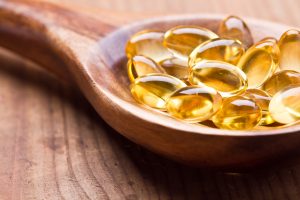
Fish Oil
Fish oil for dogs is arguably one of the best things you can give your pet. Not only does it support heart health, it helps to keep their coat shiny and silky and can even reduce skin problems such as itchy and flaky skin. It can also help to reduce shedding. Fish oil can also help to relieve joint pain and aid in inflammatory diseases.
As an added bonus, dogs love the taste and are usually willing to eat it. Even if your dog doesn’t have health or skin issues, it’s still a good idea to give them a dose of fish oil to help with general upkeep.
Why is fish oil so good for dogs? This is due to the omega-3 fatty acids that it contains. Omega-3’s help to balance out the omega-6 fatty acids commonly found in dog goods. Most dogs have an abundance of omega-6 in their diet, but not nearly enough omega-3’s.
“Vegetable oils including flaxseed oil, canola oil, walnut oil, and soybean oil can provide dogs with another omega-3 fatty acid called alpha-linolenic acid (ALA), which is a precursor to EPA and DHA,” explains Dr. Jennifer Coates in her article: Using Omega-3 Fatty Acids Effectively and Safely.
“However, dogs are not very good at transforming ALA into either EPA or DHA. Therefore, it is much more efficient to provide dogs with EPA and DHA directly. Good sources include cold water fish oils (e.g., salmon oil) and certain types of algal oil.”
Dr. Coates also recommends choosing a supplement made from a reputable manufacturer that provides the following information either on the product label or on their website:
It’s also important to consider your dog’s breed, size, and weight. You should also speak with your veterinarian to see what their recommendation is.
While salmon oil is often considered superior to fish oils for dogs, it’s also important to look at the quality of the fish oil. Look for oils that are 100 percent pure, as this will get you an oil that is as close to the natural state as possible without fillers or preservatives. Salmon oil can also be beneficial for dogs that have allergies to other fish.
What is the recommended dosage of fish oil for dogs? According to the Canine Arthritis Resources and Education (CARE), the recommended dosage of fish oil is 75-100 mg/ kg total EPA/DHA. As always, ask your veterinarian if you’re not sure.
Potential side effects:
Interaction with some medications. Check with your vet if your dog is on any medication.
Stomach upset or diarrhea. It’s best to start gradually introducing fish oil into your dog’s diet, and then work up to the recommended dose.

Glucosamine
As your dog gets older, you may start to notice the signs: struggling to get in the car, limping, avoiding stairs, taking shorter walks, difficulty sitting or standing. While these may just be the signs of old age starting to show, there are joint supplements for dogs that can help to ease their pain and boost their recovery. Glucosamine and chondroitin for dogs is a joint supplement that can help support hip and joint health. It can be beneficial for dogs suffering from arthritis, hip dysplasia, spinal disc injury, and even help in the recovery process from joint surgery.
Glucosamine is a natural substance found in healthy cartilage. It’s used to produce glycosaminoglycan, which helps repair cartilage. As your dog matures, the production of glucosamine slows. As it slows, the repair process slows and eventually leads to arthritis, causing the symptoms you notice in your dog.
A glucosamine supplement can help alleviate symptoms by repairing the damage caused naturally by age. Dr. Jerry Klein, the American Kennel Club’s chief veterinary officer weighs in on what causes the pain. “Cartilage plays an important role, and when damaged, it won’t usually repair or duplicate itself on its own,” says Dr. Klein. “So the bones of the joint may rub against each other, causing pain and inflammation.”
A glucosamine supplement is one of the best joint supplements for dogs since it can help reduce the pain your dog experiences by rebuilding cartilage, allowing your dog to get back to a healthy exercise routine.
Potential side effects:
Fatigue, insomnia, and excessive thirst are the most common.
Glucosamine doesn’t work overnight, and it is recommended to watch for results up to three months.
Collagen
You may have heard of humans taking collagen to help with aging, but you might be wondering “can a dog take collagen?” You wouldn’t be the first to wonder.
Collagen is one of the main proteins in the body. It can be found in muscles, tendons, skin, blood vessels, and in the digestive system. It’s responsible for strengthening your dog’s nails, teeth, and bones. It is essentially what holds the body together and is crucial to joint and tendon health.
Since natural collagen makes up 70-90 percent of a dog’s muscles, tendons, and ligaments, it’s important that it be present in their body. Unfortunately, as dogs age, the natural production of collagen is slowed, leading to bone and joint conditions and poor skin and coat health.
A collagen supplement for dogs can be beneficial in combating some of the issues that arise due to the lack of collagen. This supplement can help improve joint pain such as arthritis in dogs as well as help promote strong nails and a healthy coat.
“Approximately 25 percent of dogs are diagnosed with arthritis in their lifetime, and as many as 60 percent of dogs have radiographic evidence of it,” says Dr. Becky Lundgren.
Dr. Kristopher Chandroo, who runs The 100x Vet, a full-service mobile veterinary clinic in Ottawa, Ontario, sees a lot of joint disease in his practice.
A common misconception about joint problems is that only middle-aged and older dogs are affected by osteoarthritis. “We know it starts much earlier in their lives,” says Dr. Chandroo. “It starts from early development—elbow, hip, and knee issues can start during or just past puppyhood…. Much of it can start with developmental problems—the genetics and the way the joints and cartilage develop in youth.”
When choosing a collagen supplement for your dog, it’s important that you look for high-quality collagen. Supplements come from marine sources, chicken, or bovine and have a taste that most dogs can’t get enough of. High-quality supplements are made from high-quality ingredients and won’t have fillers. Some low-quality supplements can have negative side effects in dogs, especially for dogs with diabetes as it can increase health risks.
Collagen supplements can come in different formats—everything from bone broth to collagen powder for dogs that can be sprinkled on their food. The proper dosage of dog collagen depends greatly on your dog’s health and weight. Choosing a supplement and dosage should be done per recommendation of the supplement or by checking with your vet to get a recommendation for your dog’s specific needs.
Potential side effects:
Diarrhea, change in blood and glucose levels, decreased kidney function, and liver dysfunction.
Omega-6 Fatty Acids
“Many commercial pet foods contain far more omega-6s than omega-3s,” advises Randy Kidd, DVM, PhD, Holistic Veterinarian, “but it has been shown that diets higher in omega-3s can provide significant health benefits. There are a number of reasons for this, but essentially it has to do with where the ingredients come from. Corn, for example, is high in omega-6 fatty acids, so the meat from animals fed on corn is also high in omega-6s. Meat, eggs, and milk that come from animals fed a diet containing flax seed have a higher proportion of omega-3s, as does the meat from grass fed or free-range animals.”
Omega-6 fatty acids promote healthy skin for dogs as well as boost the immune system. It’s important to keep in mind that a balance of both omega-6 fatty acids and omega-3 fatty acids is essential for maintaining health. The fatty acids metabolize into your pet’s body and cause inflammation. Too much omega-6 without enough omega-3 can lead to inflammation.
Omega-6 fatty acids are found in most plant and animal fats and oils such as chicken fat and canola oil. Animal fats, such as those that are from fish, chicken, lamb, and salmon are the richest sources. Canola oil for dogs, as well as salmon oil are both rich sources of omega-6 fatty acids. Sunflower oil is also particularly rich in omega-3 fatty acids.
A deficiency in omega-6 fatty acid in your dog could lead to an unhealthy coat, inflammation, increased allergies, and obesity. However, in many cases, dogs already get sufficient omega-6 in their diet. What they often lack is omega-3 fatty acids. To help balance out the ratio of omega-6 and omega-3 fatty acids, you should feed more omega-3’s, not less omega-6 fatty acids. Consider salmon oil for your dog to enhance their omega-3’s and balance out the ratio of omega-6 to omega-3 fatty acids.
Potential side effects:
Too much omega-6 can cause inflammation.
Omega-9
When it comes to your dog’s health, there are important nutrients you need to consider to keep them healthy and happy. Three important nutrients include fatty acids: Omega-3, 6, and 9. These fatty acids are responsible for a lot of your dog’s body functions. Omega-9 for dogs is considered one of the ‘non-essential’ omegas, because it can be manufactured from other things your dog eats. However, omega-3 and 6 cannot be manufactured and must be retrieved from your dog’s diet.
“Omega-9 EFA’s are common components of animal fat and vegetable oils. This group of fatty acids is not essential because the body can create them,” explains Dr. Peter Dobias, DVM in his article: The Best Omega-3 Fatty Acids for Dogs.
Dr. Dobias recommends that calamari oil (squid oil) is the winner because it is nutritionally balanced, safe, and also the best and the most sustainable source for Omega-3. It’s high in EPA and DHA with extremely low toxin levels (very low mercury) and squid has seen a steady population rise for over the last fifty years.
If your dog is eating commercial dog food, they’re unlikely to be deficient in Omega-3 and 9. However, there’s a good chance that they could be deficient in Omega-3 fatty acids. Consider a high-quality calamari oil or fish oil for dogs that is rich in omega-3.
Omega 3
Omega fatty acids are an important part of your dog’s diet. They are responsible for providing your dog with energy, helping to maintain healthy skin and a healthy coat, and benefiting heart and brain health, among other important jobs. There are three types of omega fatty acids for dogs that are important to their health—omega-3, 6, and 9. While the body can turn other fats into omega-9’s, the other two must come from your pet’s diet. While most dog foods provide plenty of omega-6’s, there is often a lack of omega-3’s. It is important to maintain a good balance of omega-6 to omega-3 for proper health.
There are also three types of omega-3’s: EPA acid, ALA acid, and DHA for dogs. ALA acid comes from plant-based sources. A dog’s body can turn the ALA into EPA and DHA acids, however, it isn’t very good at converting other acids into ALA. This means that EPA and DHA omega acids are better for dogs. These types of omega-3 fatty acids often come from fish oil for dogs.
There are plenty of health benefits of omega-3 for dogs. One of the most boasted about, however, is the anti-inflammatory properties. Omega-3 for dogs also supports healthy skin and coats, as well as heart, brain, and joint health.
Incorporating more omega-3’s into your dog’s diet isn’t as hard as it might sound. Consider buying treats that are rich in omegas or consider a supplement for dogs that can help boost their omega intake. Cold-water fish and squid are also rich in omega-3 oils, which means that high-quality fish oil is a good supplement for your dog to increase their omega-3’s.
It’s important to remember that a balance of both omega-3 and omega-6 fatty acids are needed for your dog’s complete health. To help combat the balance it is recommended to feed more omega-3 fatty acids instead of less omega-6’s. This is because most dog foods are already omega-6 rich, however, dogs are often lacking in omega-3.
Potential side effects:
Fish oil is one of the main sources of omega-3 for dogs. It may cause interaction with some medications. Check with your vet if your dog is on any medication.
Stomach upset or diarrhea. It’s best to start gradually introducing fish oil into your dog’s diet, and then work up to the recommended dose.
Turmeric
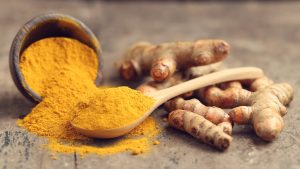
You may have heard of turmeric, but did you know dogs can have turmeric as well? Did you know there are many benefits of turmeric for dogs? Turmeric is a wonderful herb from South India. It’s often associated with curries and mustards. But there’s research that shows that turmeric is good for many different things—including your dog’s health! Of the many benefits, turmeric is being praised for its anti-inflammatory effects in dogs. It also reduces pain caused from dog arthritis, as well as having benefits for kidney, dental, and digestive system diseases—due to those same anti-inflammatory effects. Turmeric is also a great antioxidant. It can slow down the aging process and help lower your dog’s stress levels.
Before you give your dog turmeric, however, it is important to consider just how much turmeric is safe for your dog. Turmeric contains a certain compound known as “Curcumin.” This compound can be difficult for dogs to digest on its own, so it is important that you create a safe turmeric paste for dogs, using a healthy oil, such as coconut oil, to aid in the absorption process.
The amount of turmeric paste you give your dog also depends on their size. Small dogs, for instance, should start with 1/4 teaspoon per day, while larger dogs can start with 3/4 teaspoon. You might also consider a turmeric supplement or tablets that are premixed and outline proper dosage amounts.
Todd Czarnecki, DVM and Certified Veterinary Acupuncturist at Hanging Rock Animal Hospital in Roanoke, Virginia, says he recommends turmeric for a variety of situations, but especially for dogs who have inflammation and stiffness that worsens in cold weather. He also recommends it as an aid to circulation in general. Dr. Czarnecki says these dogs respond very well to the addition of powdered turmeric to their diet. He recommends mixing the turmeric powder into a home-cooked diet. If you use dry dog food, he suggests softening the kibble with water before mixing in the turmeric powder.
Potential side effects:
Can interact negatively with certain medications your dog might be on, such as anti-inflammatory or diabetes drugs. If your dog is on other medications it might be best to consider talking with your vet.
Turmeric is also considered to be a ‘warming’ spice, so if your dog is already naturally hot, you might not want to heat him up more with turmeric!
Turmeric Curcumin
Turmeric curcumin is a naturally-occurring chemical that is found in the common spice, turmeric. A turmeric root contains anywhere from 2-5 percent curcumin. Curcumin is what gives turmeric its bright yellow color. It has been used as a compound since 1815. Turmeric curcumin for dogs is used to help reduce pain. Turmeric curcumin is also an anti-inflammatory for dogs and is beneficial for dogs with arthritis, as it can relieve the pain and stiffness caused from arthritis.
Turmeric curcumin also contains antioxidants, anti-inflammatory, antiviral, antibacterial, and antifungal properties. The turmeric health benefits for dogs are numerous!
Turmeric is especially beneficial for its anti-inflammatory benefits. Not only are anti-inflammatories beneficial for arthritic dogs, it is also beneficial for dogs suffering from cancer, allergies, heart disease, kidney disease, dental disease, and digestive issues—all of which can be related to inflammatory issues. Inflammation is the body’s natural response to bacteria, trauma, and toxins, and not all inflammation is bad. However, when inflammation is persistent for weeks or months, it becomes known as chronic inflammation in dogs.
Turmeric curcumin for dogs can be given in capsule or pill form, paste, or tincture.
Potential side effects:
Turmeric curcumin can cause contractions of the gallbladder. It is recommended not to give to dogs who have gallbladder stones as it could worsen the condition. You should also be cautious giving Turmeric curcumin for dogs who have diabetes, stomach ulcers, or bleeding disorders. Turmeric curcumin could also cause an upset stomach and could slow blood clotting, so you should also be cautious not to give turmeric to dogs at least two weeks before surgery.
Hemp Oil
Hemp oil for dogs often leads to questions. Many people wonder if hemp oil or CBD oil is safe for dogs.
America Kennel Club’s Chief Veterinary Officer, Dr. Jerry Klein explains what CBD oil is. "CBD, or cannabidiol, is a compound found in cannabis and hemp. It is essential to note that in most cases, CBD does not contain delta-9-tetrahydrocannabinol (THC), the compound that gives marijuana its psychoactive properties."
Still, there is much confusion on hemp oil versus CBD oil for dogs. While both oils come from the same hemp plant they come from different parts of the plant and offer up a variety of different usages and health benefits. Hemp oil is extracted from the seeds of the hemp plant. The oil itself is full of omega-3, 6, and 9 fatty acids. Hemp oil for dog’s health is seen in a variety of areas such as healthy skin and coats as well as reducing joint pain caused by arthritis. Hemp oil can be beneficial to their immune system as well. The health benefits of hemp oil for dogs is mostly nutritional.
CBD oil comes from the flowers, leaves, and stalks of the hemp plant. It too is free from the THC compounds. The CBD health benefits for dogs can include helping to reduce stress and anxiety as well as help reduce inflammation, chronic pain, and in some cases seizure activity.
When it comes to using CBD hemp oil for dogs, there are a few things you should look out for. Be sure to look for high-quality products, even if they are more expensive, to help ensure the product is as pure as possible. You should also ensure that the oil is free of additives, and if possible, opt for an organic oil.
Potential side effects:
Dry mouth or excessive thirst, lowered blood pressure.
While the calming effect of CBD oil for dogs is beneficial, a higher dosage can cause drowsiness. It might take some time to get the dosage right for your dog to help ensure that they are getting the benefits as well as the life quality they deserve.
Chondroitin Sulfate
As dogs age, canine arthritis becomes a real concern. Over time, the cartilage between the bones begins to wear and thin, causing bones to rub against each other. Glucosamine is often used in conjunction with chondroitin sulfate for dogs to help repair cartilage. While arthritis isn’t a condition that can be cured, there are treatments and supplements for dogs with arthritis that can relieve their pain and help repair cartilage.
Chondroitin sulfate for dogs is the major glycosaminoglycan found in cartilage. It helps keep the cartilage retain water and elasticity to act as a shock absorbent. When combined with other supplements, such as glucosamine for dogs, it can help reduce inflammation which can lead to joint destruction.
If you have noticed your dog showing a lack of interest in activities he once enjoyed, refraining from jumping or climbing, depression, aggressiveness, or difficulty getting up, your dog might have canine arthritis. The inflammation in the joints can be painful. Joint supplements for dogs such as glucosamine chondroitin can be effective in helping to relieve pain as well as help promote joint repair.
“Glucosamine and chondroitin sulfate are building blocks of normal articular cartilage,” says Laguna Woods Veterinarian Bernadine Cruz, DVM. “These two ingredients won’t reverse or stop arthritis, but they will keep other joints healthy.”
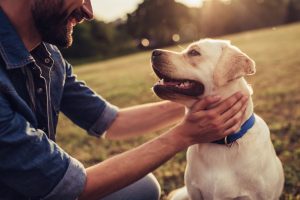
The dosage amount for your dog is dependent on your dog’s size and weight. Glucosamine and chondroitin sulfate for dogs comes in flavored tablets, pills, powders, or liquids which are favored by dogs.
Results are not instant and may take a few weeks to notice. It is recommended that you give the joint supplements up to three months before you decide if they are working for your dog or not. A glucosamine chondroitin supplement may be worth trying to help relieve your dog’s pain as well as boost their energy.
Potential side effects:
Side effects are rare, but in some cases can include allergies, fatigue, insomnia, and excessive thirst.
Biotin
Biotin is one of the complex B, water-soluble vitamins. It also goes by the names “Vitamin H” or “B7.” Biotin for dogs is responsible for breaking fat and carbs down into energy. It also contributes to the collagen and elastin products that are responsible for keeping skin and other tissues rigid. Biotin in dogs is also responsible for helping skin and coats stay healthy and is essential for digestion, growth, and muscle formation.
A lack of biotin can lead to skin conditions in dogs, brittle dog hair and even scaly dog skin. Other biotin deficiency symptoms can include lethargy, reduced growth rate, diarrhea, skin lesions, and even anorexia. A biotin deficiency is often caused by a general lack of biotin in your dog’s diet. Antibiotics can also lead to a biotin deficiency in dogs since they mess up the microbes in your dog’s gut, interfering with the levels of biotin.
One study confirmed a favorable effect of biotin for the treatment of fur and skin conditions in dogs.
According to the study, which took place with small-animal veterinary surgeons, dogs with fur and skin conditions were treated with biotin (approximately 5 mg biotin/10 kg body weight/day) for 3 to 5 weeks. In total, 119 cases were treated for symptoms such as dull coat, brittle hair, loss of hair, scaly skin, pruritus, or dermatitis.
In 60 percent of the cases all symptoms were reported to be cured, while in 31 percent an improvement was noted. In only 9 percent no effect was recorded.
Biotin for dogs can be found in rich whole foods that are safe for dogs. Foods such as beef kidneys, sardines, green leafy vegetables, and cauliflower are high in biotin. Other foods such as raw eggs are often thought to lead to a biotin deficiency in dogs since the whites in an egg contain an enzyme that interferes with biotin. However, the yolk of an egg actually contains a healthy amount of biotin, as long as you feed your dog the entire egg you should be fine. The enzyme in the white is so small, that you would have to feed your dog around 8 raw eggs a day in order to create a deficiency.
Biotin is also a water-soluble vitamin, which means it is eliminated through urine and doesn’t build up. Because of this, it’s hard to get too much biotin. However, since biotin isn’t stored in your dog’s fat, it is possible for your dog to be deficient. You might also consider adding a biotin supplement to your dog’s diet. Just ensure that the vitamin is not synthetic and follow the directions on the label for dosing.
Potential side effects:
Biotin is water-soluble, and there are no known adverse side effects.
Salmon Oil
Salmon oil is a great source of Omega-3 acids for dogs. The benefits of salmon oil for dogs are countless. Some include healthier skin and coats, reducing inflammation of the joints, preventing skin allergies, regulating the immune system, lowering blood pressure, fighting heart disease, and more.
A deficiency in omega-3 and omega-6 fatty acids can lead to diseases such as gout, eczema, increased shedding, poor wound healing, poor immune systems, liver disorders, and allergies. Salmon oil is rich in these Omega-3 and Omega-6 fatty acids which help combat those disorders as well as aiding in the benefits previously mentioned.
Salmon oil is especially beneficial to young puppies, as it helps promote better brain development.
But not all salmon oil is created equal. When it comes to finding oil supplements for dogs, it is important that you use only the best salmon oil.
If you are looking for a fish oil supplement for dogs, many experts recommend wild-caught salmon oil because it’s high in essential fatty acids (EFAs) (including omega-3 fatty acids). “There have been some studies showing the efficacy of EFA for early stages of atopic dermatitis, among other types of skin conditions,” says Dr. Janet Roark, owner of Hill Country Mobile Veterinary Service in Austin, Texas.
A high-quality salmon oil is cold pressed at a low temperature that ensures the fatty acids will not decompose and lose their effects. Wild Alaskan salmon oil for dogs is considered some of the freshest and best oil there is, since Alaskan salmon have spent their entire life foraging for food in the Alaskan waters.
Most dogs love the taste of salmon oil and won’t complain about a salmon oil supplement or drizzle on their kibble. Be sure to keep an eye on the expiration date and follow the recommended dosage on the bottle.
Keep in mind that while salmon oil can be a healthy addition to your dog’s diet, like all supplements, it should not be treated as a solution for all skin conditions. This is because skin conditions can be caused by a number of different issues, as Dr. Katy Nelson explains.
“These include allergies, external parasites, endocrine diseases (such as hypothyroidism), poor nutrition, bacterial, yeast or fungal infections, or even cancer,” says Dr. Katy, who is a veterinarian at the BelleHaven Animal Medical Centre in Washington, DC, and host of “The Pet Show With Dr. Katy.”
If you’d like to use a natural oil or oil supplement for your dog’s skin condition, it’s best to consult a veterinarian first to identify the type of oil-based treatment that will work best for your dog’s particular issue.
Potential side effects:
Bad breath, stomach pain, weight gain, and loose stools.
Vitamin A
Dog vitamins and minerals are an important part of a healthy diet. Vitamins are essential for supporting health and life. Most vitamins are found naturally in food and don’t need to be supplemented. However, there are some vitamins that dogs are often deficient in due to an unbalanced diet. Vitamin A for dogs is important for immune and cell function as well as for proper growth. It is also essential for healthy vision.
Vitamin A is naturally found in liver, fish liver oil, egg yolks, sweet potatoes, carrots, and kale. Fish liver oil for dogs is beneficial for dogs in more ways than just containing vitamin A. You can also add a healthy source of fat such as coconut oil, flax oil, or even hemp oil to help aid in the digestion process.
A vitamin A deficiency in dogs is often apparent with a weakened immune system, nighttime blindness, and unhealthy skin. How much vitamin A you give to your dog depends on a variety of different factors. If you choose to use a vitamin A supplement for dogs, it is important that you follow the directions of the packaging and not overdose your dog on vitamin A. While important for proper health, you should be careful not to give your dog too much vitamin A as it is a fat-soluble vitamin that can lead to toxicity if overdosed.
A vitamin A toxicity is generally caused from eating too much organ meat, especially liver, since liver contains high levels of vitamin A. It takes a long time for a vitamin A toxicity to become visible. Oftentimes it is discovered in the form of arthritis. In extreme cases a dog may be unable to move its neck and might have difficulty eating. It can also lead to lameness, paralysis, GI issues, and increased or decreased liver function. It can also cause sensitivity in joints due to arthritis.
Potential side effects:
Too much vitamin A can harm blood vessels, and cause dehydration and joint pain. So make sure you’re not giving your pet too much.
Vitamin E
Dog vitamins are essential to life, but that doesn’t mean that every dog needs a vitamin supplement for every vitamin. In fact, many vitamins, such as vitamin E are supplied through your dog’s diet already and supplementing them could lead to overdosing.
Vitamin E for dogs is important for a strengthened immune system, healthier muscles, skin, and coat. A vitamin E deficiency in dogs can be difficult to diagnose but is often indicated with eye problems or unexplained weight loss. Itchy skin in dogs could also be an indication that there is a vitamin E deficiency. However, the most telling sign is a compromised immune system.
Human vitamins for dogs should be used cautiously, and in the case of vitamin E should be avoided completely. This is because the concentrations in vitamins for humans are often different than those for dogs. You should also avoid foods such as avocados and almonds for dogs despite being high in vitamin E. Foods such as eggs, peanuts, or spinach are also rich in vitamin E and actually safe for dog’s consumption.
If you do decide that your dog needs a vitamin E supplement you should ensure that it is one specifically made for dogs and that it has been approved by your veterinarian. Veterinary nutritionist Susan Wynn, DVM adds that, “Your vet may even recommend supplementing your dog’s diet with specific fruits and vegetables, instead of vitamin supplements.”
Vitamin E for dogs is an important part of their diet, and while supplements are sometimes needed, they are no rival for a healthy, well-balanced diet that includes all the nutrients, vitamins, and minerals needed to support full health.
Potential side effects:
An overdose in vitamin E could lead to lethargy and vomiting. The most dangerous side effect, however, is that an overdose of vitamin E can affect blood clotting. This can cause simple cuts to become dangerous and even life-threatening if the bleeding is not controlled.
Devil's Claw Root Extract
Too much exercise, loss of cartilage, and ligament damage can all result in canine arthritis.
Dogs with canine arthritis can experience a variety of different painful symptoms. From stiffness to lameness to a decrease in exercise. While arthritis is a common occurrence in dogs as they get older, there may be something you can do to help ease the suffering of your four-legged friend.
You may have heard of the devil’s claw plant—an ominous-sounding name, but one that’s been used for centuries for its healing properties. This plant comes from the Kalahari Desert in Africa, and is often used today for rheumatic or muscular pain.
Devil’s claw root can offer many benefits, including the treatment of canine arthritis and in helping to alleviate arthritis pain in dogs. This is due to its anti-inflammatory properties. If you’re looking for a supplement that will provide your senior pet with some relief, you’ll want to consider devil’s claw extract, as it’s one of the more popular dog’s joint supplements.
Herbal remedies can be just as beneficial and safe for your dog as they can for you. However, it is important to work closely with your veterinarian. You should also choose devil’s claw root products that are made specifically for dogs and not humans as the dosage results could vary.
It’s usually recommended that you start with a low dosage and work your way up until finding a dosage that seems to have benefits for your dog. Of course, you should be careful not to give a dog too much of this devil’s claw herb as this can cause diarrhea. You should also avoid devil’s claw if your dog has an ulcer or is on other medications that could react negatively. Positive results can often be seen in as little as two weeks.
Potential side effects:
An overdose of devil’s claw root can cause diarrhea.
Spirulina
Spirulina is the ‘new’ super food for dogs. It is the blue-green algae supplement for dogs that is loaded with essential nutrients to help support their diet while improving their health.
Spirulina is a bacteria that grows in the shape of a spiral coil. It contains the most nutrients known in any food, plant, grain, or herb. It has high concentrations of important vitamins such as B 1, 2, and 3 as well as the rare essential fatty acids for dogs. Aside from all of that, the spirulina benefits for dogs are also numerous! It contains nutrients that enhance the immune system, reduce the risk of infections, fight allergies, and treat inflammation.
Spirulina is grown in ponds or other warm bodies of water. It is then collected, dried, and made into powders or tablets. Spirulina powder for dogs can be easily sprinkled over their food, giving them its numerous benefits without them even knowing.
However, it is important to be cautious about where you purchase the spirulina for dogs. Not all is created equal. Many companies grow spirulina in lakes or ocean waters where the amount of pollutants cannot be controlled. Other companies peddle other blue-green algae as spirulina. Unfortunately, this can lead to dangerous results. If imitation spirulina is given to your pet, they can have devastating health problems as a result. Ensure that the spirulina you purchase is pure and contaminant-free to ensure this doesn’t happen.
Feeding spirulina daily is generally okay, however it is nutrient rich which could lead to an upset digestive system. Herbalist
Herbalist, and author Greg Tilford says that while spirulina is safe to use every day, because it’s so nutrient dense, it can cause diarrhea and digestive upset if feeding too much. Tilford says that 1/4 teaspoon per pound of food daily is also a generally safe spirulina dosage amount for dogs.
Potential side effects:
Diarrhea and upset stomach.
Sodium Hyaluronate
Sodium hyaluronate for dogs, also known as hyaluronic acid or hyaluronate acid, is a natural occurring substance found in the body. Its highest concentrations are found in the skin, joints, and eyes where it provides important lubrication as well as aids in tissue hydration. Sodium hyaluronate levels decrease with age and, over time, these decreased levels can lead to ailments such as arthritis or joint problems in dogs.
Keeping your dog’s joints healthy and preventing joint disease in dogs is important, as well as treating conditions such as arthritis. Sodium hyaluronate for dogs can help maintain healthy cartilage and joint function in dogs. It can also help maintain good gum and eye health, as well as promote healthy skin and shiny coats.
Hyaluronic acid, while it has been used by equine veterinarians for over 30 years, is relatively new to smaller animals such as dogs. Hyaluronic acid for dogs is considered a natural supplement, and since it is naturally found in bodies the side effects are few and far between.
When hyaluronic acid was first being used, the injections were applied directly into the affected joint. This was the common delivery method for horses. The problem with this method was that additional damage was done to the joints or the cartilage due to the needles. Hyaluronic acid for dogs is now available in a liquid, powder, or pill option, making it safer and more convenient for you to use.
When choosing a powder, pill, or liquid option be sure to choose a safe, all-natural joint supplement that is designed especially for dogs and follow the dosage directions found on the container. You should also consider a high molecular weight that best mimics the body’s natural fluid and provides the best results.
Potential side effects:
According to one study published in the Journal of Veterinary Science, no adverse side effects were reported.
Methylsulfonylmethane
Methylsulfonylmethane for dogs, also known as MSM for dogs, is an organic form of sulfur for dogs that contains a compound known for its joint health benefits. It is also found in the body. MSM supplement for dogs can also be beneficial for muscle injuries, joint pain in dogs, and arthritis since it helps to strengthen connective tissues and reduces swelling. Methylsulfonylmethane in dogs also decreases the pressure inside cells, allowing water and nutrients to flow easier inside cells and provides the body with much-needed nutrients.
While small doses of MSM can be found in some fruits and vegetables such as broccoli, asparagus, sprouts, and cabbage. It is also found in nuts, some meat, and cow’s milk. However, MSM supplements for dogs are the easiest way to ensure the body’s ability to absorb it. Methylsulfonylmethane for dogs is available as tablets, odorless powder, and liquid form. It can easily be mixed with kibble for dogs suffering from arthritic pain.
Lack of methylsulfonylmethane in dogs can often be seen in brittle nails, dull coat, slow healing, immune system issues, and joint pain.
Methylsulfonylmethane tablets for dogs often contain Dimethyl sulfoxide, which can be toxic to dogs. Because of this, it is important to use Methylsulfonylmethane for dogs under close supervision and observation. Routine liver and kidney function tests should be performed as well.
Potential side effects:
MSM side effects are few and far between since it is a naturally occurring substance. However, some rare side effects such as vomiting, diarrhea and headaches have been reported.
Eicosapentaenoic Acid
Eicosapentaenoic Acid (or EPA) for dogs is one of the essential omega-3 fatty acids. Omega-3 fatty acids for dogs are vital for supporting brain development, reducing inflammation, boosting the immune system, and improving skin and coat conditions. They also offer heart and kidney health benefits.
Fish oil for dogs is a great way to get your dog the Eicosapentaenoic Acid he needs. Most cold-water fish are rich in omega-3 fatty acids Eicosapentaenoic Acid and Docosahexaenoic acid (DHA). Together, these fatty acids can have a great impact on inflammation.
While vegetable oils such as flaxseed oil, canola oil, walnut oil, and soybean oil can provide dogs with a healthy dose of Alpha-linolenic acid, dogs are not very proficient at turning ALA into EPA or DHA. Beef and chicken fats are also high in omega-6 and low in omega-3, making them an inefficient source. However, fish oil is high in both EPA and DHA, making it a much more efficient option.
When purchasing an Eicosapentaenoic Acid for dogs, it is important that you check to see how much EPA and DHA the supplement contains. Not all products are created equal. You should also consider how the product was purified.
While fatty acids for dogs and Eicosapentaenoic Acid supplements such as fish oil for dogs are generally considered safe, if given in large doses it can lead to upset stomachs, blood clotting issues, and immune dysfunction. It is important to follow the dosage on the bottle and choose products specifically designed for dogs.
Fish oil for dogs can be used as a short-term nutritional boost or a long-term additive. Since most dogs don’t get enough omega-3’s in their diets, they are often deficient. An omega-3 deficiency is generally apparent in classic signs such as dry skin, dull coat, or hair loss.
Docosahexaenoic Acid
There are three main omega-3 fatty acids. Docosahexaenoic acid (DHA), alpha-linolenic acid (ALA) and eicosapentaenoic acid (EPA). All three are considered essential omega-3 fatty acids for dogs since the body doesn’t produce them naturally and isn’t efficient in converting enough. This means that omega 3 supplements for dogs are especially important.
Docosahexaenoic acid, or DHA for dogs, is essential for the development of the brain and nervous system. The brain itself is made up of 50 percent fat and more than 90 percent of that fat is DHA. It plays a vital part in the proper development and functioning of the brain, memory and trainability. In addition, fish oil supplements for dogs help with joint and immune health as well as the added bonus of a shiny and healthy coat.
Cold-water fish such as sardines, anchovies, salmon, mackerel, trout, and herring all have high levels of these omega-3 fatty acids, thus making fish oil for dogs a great addition to their everyday diets. In addition, not all supplements contain long-chain omega-3 fatty acids for dogs, such as docosahexaenoic acid. Fish oil for dogs, however, contains the necessary omega-3’s.
It is also important to look for high-quality fish oils that have high levels of docosahexaenoic acid and eicosapentaenoic acid for dogs. Feed your dog the recommended dosage on the bottle and be sure to store your fish oil properly to prevent it from becoming rancid.
Potential side effects:
While the largest reported side effect of giving your dog fish oil is bad breath, other reports of diarrhea, weight gain, and heavy metal exposures have been noted.
Astragalus
Astragals is an ancient herb found typically in China and is a traditional Chinese medicine and is considered to be one of the fundamental herbs for strengthening the immune system. It has been said to be useful for everything from combatting the common cold to cancer. It also offers heart health benefits. Such an herbal medicine can be beneficial for dogs if used correctly and under the instruction of your vet.
Astragalus for dogs is most commonly used for the immunity boost it provides. The plant itself contains three main elements that give it the boost it boasts about. First, it has Saponins which are used to help lower cholesterol and improve the immune system. Seconds, it has Flavonoids which boast as antioxidants as well as being antiviral. And finally, it has Astragalu which is used to help boost poor immune systems.
The mature astragalus roots are used in infusions or tinctures and are available for dogs in tablet form.
The astragalus benefits for dogs are generally immunity boosting. It has also been known to increase energy levels. Astragalus can also reduce stress and help regulate the body’s levels. While astragalus is a natural herb, it is important to use with caution and stop use if any unusual side effects appear.
Potential side effects:
Upset stomach.
Burdock
Health and wellness for our dogs is something that all pet owners strive for. From the best foods to veterinary care, every effort is taken to help provide them with a long and happy life.
Burdock offers a variety of nutrients for dogs that can help support these efforts.
The herb, native to northern Asia and Europe, has been used for centuries in holistic medicine. In Japan, burdock is available at supermarkets and is included in everyday meals. Aside from adding some unique flavor, the root is actually very beneficial for multiple health purposes.

Burdock root for dogs is rich in important vitamins and minerals such as calcium, iron, phosphorus and B vitamins. Burdock benefits for dogs include things such as:
Licorice
Is licorice bad for dogs? While sharing the sugary sweet licorice candy with your dog might not be in their best interest, licorice root for dogs is perfectly fine and even beneficial!
Licorice is part of the legume and pea family. Licorice root has been used to treat a variety of different ailments for centuries. The medicinal properties come from the root of the plant and include glycosides, saponins, and flavonoids.
Licorice root can offer many different benefits including anti-inflammatory properties. Many conditions such as itching, stomach, and digestive issues, liver disease in dogs, and urinary tract infections can all be caused by inflammatory issues. Licorice can also provide skin health by tackling some of the common skin conditions in dogs such as flea-bite allergies, eczema, and psoriasis. It can even be applied topically and calm irritated or itchy skin.
Licorice can also have a positive impact on the immune system for dogs, as well as act as a liver detoxifier.
Licorice can be given to your dog in a tincture, tea, oil, or applied topically, and since it is safe to ingest, you don’t have to worry about your dog licking it off. Most dogs enjoy the naturally sweet tasted and will ingest it with ease, even considering it to be a treat, making it a versatile, easy-to-use herb with many natural benefits.
Potential side effects:
Licorice side effects for dogs are generally low, but those with high blood pressure, heart conditions, or kidney disorders should not take licorice root. Licorice for dogs should not be used as a long-term solution without first consulting a vet. Other side effects could occur if it is given in highly concentrated, large doses, including hypertension, water retention, sodium retention, and loss of potassium.
Red Clover
Red clover is a pink flower that most will be familiar with. It is a relatively sweet flower often enjoyed by horses. However, most might not know that there are numerous health benefits of red clover for dogs. Traditional Chinese herbalists use the red clover for colds and to purify the blood. Native Americans use this plant to create a salve for burns.
While most might consider the red clover a weed that covers the lawns of many in the early spring, they are used by farmers as a crop cover due in part to their high nutrient content.
The high nutrient content is what has it classed as a cleansing herb. The healing effect of red clover for dogs extends to the liver, heart, and lungs. It can help reduce blood pressure for dogs, boost the immune system, improve blood circulation, and even help detox the body from toxins that can lead to diseases. Due to its detoxifying effects, red clover is great for liver health in dogs. The herb is also used for its blood cleansing abilities, making it a great addition for dogs who suffer from skin conditions such as eczema, psoriasis, and even rashes.
Red clover capsules for dogs are just one way to give this healing herb to your four-legged friend. Other options include tinctures, teas, or dried. It can be applied topically to aid in burns or irritated skin.
Potential side effects:
While red clover is generally safe for dogs, it should not be used by those with bleeding disorders, as it has blood-thinning qualities that could be dangerous to these dogs.
Nettle Leaf
Even though we don’t like to think about it, dogs are prone to many different health ailments. Providing your dog with a healthy diet that is rich in vitamins and minerals is important to help keep them healthy.
You might be surprised to learn that nettles have more to offer than a stinging bite when you brush them wrong. Nettles are rich in minerals and other nutrients that can be beneficial to your dog’s health.
Nettle leaves for dogs are loaded with protein, calcium, phosphorus, iron, magnesium, potassium, and beta-carotene, as well as vitamins A, C, D, and B-complex. Imagine all those nutrients in a nettle leaf!
This combination of vitamins in nettle leaf for dogs makes it easy to be absorbed with little stress on your dog’s digestive system, kidneys, or liver. Nettle leaf creates a great addition to your dog’s well-balanced diet.
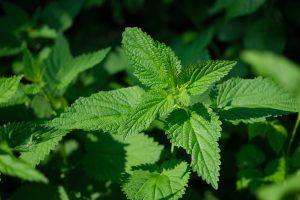
Nettle leaf can make great dog allergy remedies, as it acts as a natural antihistamine. Other nettle leaf benefits for dogs include acting as an anti-inflammatory, thus helping with arthritis pain. Nettle leaf can also be beneficial for dogs with itchy skin. Nettle leaf can be used for your dog’s skin to give relief from flea bites or dry skin. Simply make a strong tea, allow it to cool, and then thoroughly soak their skin. The tea will provide instant relief.
Nettle leaf for dogs can be given in a capsule or extract. Dried nettle for dogs can be used to make extracts, tinctures, or teas, or you can buy them premade. You can also sprinkle dried nettle leaf on your dog’s food.
You can harvest your own nettles if they are in season, but be sure to wear gloves! Just because they offer many benefits doesn’t mean they don’t still sting!
Potential side effects:
In rare cases, a dog may be sensitive or allergic to nettle.
Cranberry Powder
Cranberry supplement is perhaps the most well-known supplement when it comes to urinary tract health for dogs. The cranberry fruit is known for preventing and treating urinary tract infections in dogs. Cranberry is also beneficial in supporting urinary health in dogs.
A lesser-known fact of cranberry for dogs is the dental health benefits they can provide. Cranberries can be beneficial in helping to reduce plaque build-up and keeping your dog’s dental health in top shape. A buildup of plaque is a major cause of tooth decay and bad breath in dogs.
While cranberry is beneficial to dogs it is important to know that many human cranberry products can be dangerous for dogs. For instance, many dried cranberries are mixed with raisins, which are toxic to dogs. Prepared cranberry dishes and juices are also risky as many juices contain high amounts of sugar or are mixed with other juices—such as grape juice—which can be toxic to dogs.
It is important to take your pet’s urinary health seriously, and if they are suffering from a UTI you should seek veterinary advice. While cranberry can support urinary health, it is not always a cure for painful infections.
Many cranberry supplements include vitamin C. If used long-term, this could lead to kidney stones. This is because vitamin C is acidic and when broken down, increases the risk of stone formation.
Some cranberry supplements also contain oxalates, which can cause bladder or kidney stones and xylitol, which is considered extremely poisonous for dogs.
Organic Marshmallow Root Powder
Marshmallow root is an herb that is native to Europe, Western Asia, and Northern Africa. It has been used for thousands of years to treat digestive issues, respiratory conditions, and even skin problems. The leaves, flowers, and roots can all be put to use solving a variety of ailments. The Greek name for marshmallow root is Althea, which translated means “to heal”—and heal it does! The most common use for marshmallow root powder for dogs is to heal the gut and soothe the bladder.
Some of the benefits of marshmallow root for dogs are aiding in the treatment of UTIs and digestive disorders. It is also considered to be an effective kennel cough herb for dogs, treating sore throats and swollen bronchial tubes. Marshmallow root extract for dogs can also be applied topically to help soothe wounds and keep infections at bay. Marshmallow root is also a digestive herb for dogs, and can help control both diarrhea and constipation as well as help relieve digestive inflammation. Organic marshmallow root powder for dogs can also support immune system health.
You can add marshmallow root powder directly to your dog’s kibble and buy it in a tincture or supplement form. You can also use marshmallow root powder topically by mixing it with water and applying it to wounds to speed up the healing process.
Potential side effects:
The most common side effect from organic marshmallow root powder for dogs is an increase in thirst, and it is important to ensure that your dog has access to plenty of clean water during this time. Marshmallow root can also lower blood sugar levels and should be used with caution on dogs with diabetes.
Nettle Seed
The kidney is responsible for removing excess fluid in the body as well as filtering the blood before returning it back to the body. They help prevent too much waste product or fluid from building up. However, kidneys are very delicate and can be damaged easily by either disease or medications. Herbal medicine for dogs such as nettle seeds have been shown to reduce the damage often caused to kidneys by extreme stress in the form of disease or trauma.
Most of us are familiar with the nettle and its stringing leaf. We have most likely all had a run-in or two with the stinging plant that seems to have no purpose. However, nettles offer a variety of medicinal benefits. Different parts of the nettle plant have different benefits. While the nettle leaf is loaded with nutrients, vitamins, and minerals for dogs, the nettle seed hosts its own benefits.
Nettle leaf for dogs and the high volume of nutrients it contains can also be beneficial to kidneys. However, the nettle seed has proven more effective for treating kidney failure in dogs.
Nettle seed can be given in a tincture form in water or seeds can be added directly to their food. It is important to note that nettle seeds are not the seeds that you purchase at the local garden shop.
The seed may be small, but it packs a powerful punch. One of the biggest benefits of the nettle seed for dogs is kidney health. Nettle seeds are used for dogs who are experiencing chronic kidney disease or while recovering from traumatic or stress-related injuries on kidneys.
While there aren’t many side effects to nettle seeds, you should always use herbal remedies with caution and follow your vet’s guidance.
Potential side effects:
In rare cases, a dog may be sensitive or allergic to nettle.
Chamomile Flower Powder
Chamomile flower powder has been used for centuries as an herbal medicine to soothe stomach aches, heal wounds, and reduce stress. Chamomile tea is often used for calming our nerves and preparing us for sleep. Chamomile tea for dogs also provides many of the same benefits.
Chamomile flower powder for dogs has many other benefits as well. It can help relieve skin inflammation in dogs, reduce itching, and aid in easing stomach issues. It can also help reduce anxiety in dogs. Many dogs have stress and anxiety, and chamomile has been effective in reducing these anxious tendencies since chamomile soothes muscles and decreases blood pressure.
Chamomile for dogs can be given in many different forms. Chamomile flower powder can also be sprinkled on their food or given as a capsule depending on your dog’s taste buds. Chamomile can even be applied topically to soothe irritation or itching skin. Simply use a pot of cooled chamomile tea as a rinse after a bath. You can also apply brewed tea bags on sore areas. Just ensure the tea bag has cooled first.
While chamomile flower powder for dogs is safe for both internal and external use, it is important to use caution when using herbal medicine for dogs. If this is your first-time using chamomile flower powder on your dog, you should take it slow to ensure your dog doesn’t have any allergic reactions. You should also watch your dog for unusual reactions such as vomiting, diarrhea, swelling, or difficulty breathing, as this could indicate an allergic reason. You should also watch for excessive itching, hives, or rash after use.
You should use chamomile to treat stomach issues with caution, and not as a long-term solution, as stomach issues may be the sign of a serious problem.
Potential side effects:
Chamomile is best used in moderation. Using too much for your dog, or over too long of a time period can cause chamomile poisoning. Symptoms of chamomile poisoning include hypersalivation, vomiting, diarrhea, anorexia, and lethargy.
Passion Flower Powder
There are all sorts of sources of anxiety for your dog. Unfortunately, we can’t always limit their exposure to stressful or anxiety-inducing situations, which is why natural calming herbs for dogs can be extremely beneficial. Stress and anxiety in dogs can lead to upset stomachs and other issues.
Herbs such as passion flower powder can have amazing results when it comes to aiding in calming your pup. There are over 500 known species of the passion flower, and they have been used since the 1500s to treat various ailments all around the world—everything from anxiety to earaches.
If you are looking for natural calming formulas for dogs, then you might consider passion flower powder. Unlike other calmative herbs for dogs, passion flower doesn’t leave your dog feeling groggy or sleepy. Rather, it calms the mind, body, and stomach without putting your dog to sleep, promoting natural and healthy relaxation.
Passion flower powder for dogs can be given as a tea—for both you and your canine friend—so long as it has been cooled and diluted. Or you can use an herbal extract for dogs, made into a tincture that can help offer relief for your anxious dog. Many anti-anxiety chews include passion flower powder due to the calming benefits it provides for dogs.
Potential side effects:
While passion flower powder is considered a safe and natural herb for anxious dogs, it is not recommended for dogs that are pregnant. You should also monitor your dog for allergic reactions. It is also important to use products designed for dogs and to speak with your vet about any contradictions passion flower might have with any medications your dog is currently on.
When used on older dogs, the sedative effects of passion flower may linger.
Ginger Root
The benefits of ginger are no secret. Anyone who has struggled with an upset stomach has most likely reached for a ginger ale to help settle things. What you might not know is that ginger root for dogs can be beneficial as well. In Chinese medicine, ginger is used to help support digestion and help normalize the gastric function. While ginger is mostly beneficial to the digestive system, ginger root can also be beneficial in aiding in arthritic issues.
Fresh ginger for dogs can also be beneficial in treating heartworm disease, managing nausea and upset stomach, and reducing inflammation. Ginger root for dogs can also treat seasonal allergies and can reduce bloat, a life-threatening condition common in larger dogs. Bloat occurs when the stomach expands from food, but gas doesn’t expel. Ginger can help relieve this.
Ginger root also helps dogs who get motion sick easily. If your dog gets sick from car rides, you might consider ginger or other herbs for your dog’s motion sickness. A few drops of ginger extract for your dog can result in a smoother car ride.
Fresh ginger can be used in tinctures, powders, tablets, or teas.
Start with small doses of ginger, or else you might cause your dog to have an upset stomach. That’s the opposite of what you’re trying to achieve with ginger root!
Potential side effects:
The main adverse effect of ginger is mild gastrointestinal irritation.
L-tryptophan
L-tryptophan is an amino acid for dogs that can help support stress responses and boost moods. It helps solve some behavioral problems in dogs who react negatively to environmental stresses. Separation anxiety in dogs can often show itself in the form of behavioral issues. Dog anxiety can often be treated by removing the stressor from your dog’s life and ensuring they have all the attention they need. However, that isn’t always possible. Life happens, and sometimes your dog will experience anxiety.
If your pup is experiencing more anxiety than normal, you might consider L-tryptophan.
L-tryptophan for dogs is an essential amino acid. Your dog should be getting this amino acid through their diet, but they might not be getting enough. If this is the case, then adding in a supplement could help balance your dog’s serotonin levels. Serotonin levels for dogs are an important part of the amino acid balance. By restoring this balance, you could help level their moods and help them to overcome the sudden aggression they may be showing.
L-tryptophan supplements are marketed to help reduce anxiety and have calming effects for dogs. Supplements often include passion flower, ginger, or valerian root—naturally calming herbs often given to dogs to promote calmness or reduce anxieties.
It is important to talk with your vet about managing your dog’s anxiety and use supplements as needed, when needed. It is also important to note that L-tryptophan for dogs is not a cure-all for aggressive dogs, rather a treatment for anxious dogs who are prone to aggression when anxious.
Potential side effects:
While L-tryptophan for dogs can help reduce anxiety, it is important to note that some anxiety supplements can also cause vomiting, diarrhea, increased heart rate, difficulty walking, and increased drowsiness.
Manganese
Manganese for dogs is not a commonly heard-of mineral and is not found as a free element. However, sources of manganese for dogs can be found in foods such as whole grains, seeds, nuts, and proteins such as salmon, beef, eggs, or spinach. Manganese is an essential mineral for all animals and helps promote proper bone growth. It’s essential in bone health for dogs as well as hormone production.
Manganese for dogs is also important to help the digesting and absorbing of proteins and carbohydrates. It even contains antioxidants and helps activate the enzymes that help your pet use the fatty acids in their diets. Fatty acids for dogs are important to promote a strong immune system, provide energy, aid in vitamin absorption, and help promote healthy skin and coats.
The sources of manganese for dogs generally come through their diet, although some dogs are deficient. Your dog’s diet generally contains a type of manganese such as manganese sulfate or manganous oxide. While there is no risk in feeding your pet foods that contain manganese, a deficiency could be dangerous. High-quality dry food should contain adequate amounts of manganese, but those feeding a raw diet might consider a pet supplement with manganese as an added mineral. Some common signs of manganese deficiency are abnormal skin and hair as well as joint development issues.
Dog foods with manganese can include raw spinach, blackberries, raw beef liver, and sweet potatoes. These are all good sources of manganese for dogs and as an added bonus, most dogs love the taste of these foods, making them human and pet-approved options.
Potential side effects:
Too much of any mineral can cause toxicity, while not enough can result in deficiency. Make sure you consult your veterinarian to find out how much your dog needs.
Cat’s Claw Root Extract
Cat’s claw is a tropical, woody vine most commonly found in the Amazon rainforest, but is also present in certain parts of South and Central America. The name comes for the thorns which represent cat’s claws. Cat’s claw bark and root make a popular herb that is used to treat a variety of ailments such as arthritis as well as help clear up infections by boosting the immune system.
Cat’s claw root extract for dogs is most commonly used to treat symptoms of osteoarthritis as well as rheumatoid arthritis in dogs since it is an anti-inflammatory. Joint pain in dogs is often associated with arthritis and can benefit from cat’s claw. Anti-inflammatory for dogs helps by reducing swelling and pain and as a result, cat’s claw root extract for dogs can be used to treat inflammation of the bowel and stomach, as well. Cat’s claw has also been beneficial in treating high blood pressure for dogs as well as acting as an antioxidant and anti-viral.
Cat’s claw root for dogs can be sprinkled on their food or mixed into homemade treats. You can also make cat’s claw root into a tincture or tea that can be given to your pet. The herb has also been used topically to soothe pains.
Since cat’s claw lowers blood pressure, it isn’t advised to give it to dogs with low blood pressure. You should also not give cat’s claw root to dogs two weeks before surgery. Be sure to check with your vet if your dog is taking medications for liver problems or blood pressure as cat’s claw root could have negative interactions.
Potential side effects:
Nausea, upset stomach, and diarrhea.
Willow Bark Extract
White willow bark, also known as white willow, white bark, or Salix alba is native to Asia and Europe. The bark of the tree is covered with fine white hairs, and has been used for its healing properties for decades. The salicin compounds have been used to treat many different ailments such as joint pain, back pain, and even used as an anti-inflammatory for dogs.
Since white willow bark is where aspirin comes from, when given in the right dosage amounts, it can be used as a natural pain killer or natural substitute for aspirin. White willow can be used to reduce inflammation for dogs.
Willow bark extract for dogs can be given in a supplement form or a tincture.
Willow bark extract can be used to treat various ailments such as arthritis, inflammation, and preventing blood clots. While aspirin effects are quick-acting, white willow effects are often slower and longer-lasting. Over time, white bark is more effective and better in the long-run.
However, it is important to keep in mind that white willow bark extract should not be given to dogs who are taking other medications. While the herb may be natural, it doesn’t always react positively with other medications. Be sure to speak with your vet if you have any questions regarding dosages or combinations of other medications.
Potential side effects:
Cramps, nausea, rash, gastrointestinal bleeding, and kidney damage. Do not administer if your dog is on other medications.
Chicken Bone Broth
For as long as we can remember, people have been making bone broth. It is often considered to be an immunity booster and something your grandmother made you when you were feeling under the weather. The secret behind this special broth? The stock is full of minerals and nutrients that are needed to help boost immune systems while also being easy to digest.
Chicken bone broth benefits for dogs can be numerous, as well. Chicken bone broth is a great broth for dogs’ livers, helping with detox. Chicken broth is also a great broth for dogs’ joints, helping to reduce the symptoms of arthritis. Chicken bone broth is also great for your dog’s immune system.
It can be simple to make bone broth for dogs. Dogs will happily drink up chicken bone broth. Making bone broth can be done simply by adding raw meat bones, such as chicken feet, marrow bones, lemon juice, or apple cider vinegar to a pot of water or crockpot. Apple cider vinegar or lemon juice is important in helping pull the nutrients and minerals out of the bones. You only need three or four tablespoons for a pot of bones. You should cook the bones on low for at least 24 hours or until the bones are brittle, ensuring you can get as much of the nutrients out as possible.
Once the broth is made, you can let it cool and add it to your dog’s food or give it to your dog separately. Store the excess broth in the fridge or freezer, depending on how much you plan to feed your pup.
It is important not to feed your dogs the cooked bones, since they can splinter and cause damage to your dog’s internal organs.
Potential side effects:
As always, moderation is key. Feeding your dog too much bone broth may lead to them consuming too many amino acids, or certain bacteria or heavy metals that may be found in certain ingredients.
Coconut Milk
We’ve all heard of the many benefits of coconut oil for dogs, but what about coconut milk for dogs? It turns out that while there are plenty of benefits that come from feeding dogs coconut oil, there are also plenty of uses and health benefits that come from using coconut milk, as well.
Coconut milk can help decrease inflammation since it’s high in lauric acid—one of the fatty acids for dogs that helps the body absorb nutrients whole. Because of this, coconut milk for dogs is beneficial for those suffering from arthritis. It can also help speed up the healing process of cuts and other wounds.
Coconut also contains albumin, which helps create red blood cells. Coconut milk is also good for boosting your dog’s immune system, treating yeast infections, and reducing itchy skin. It can also help with bad breath—and there isn’t a dog out there who doesn’t struggle with bad breath!
Coconut can be given to your dog in all the various forms: the meat, milk, and oil are all beneficial and safe for your dog. Some dogs even enjoy chewing and playing with a whole coconut. However, you should be cautious to ensure your pup doesn’t ingest any of the coconut hairs since they can get stuck in their throat.
It is important that when you purchase coconut milk for your dogs, you opt for the plain, unsweetened version instead of the sweetened version that can drown out the health benefits for dogs.
Potential side effects:
While many dogs enjoy the mild taste of coconut milk, it is rich and creamy and too much may cause an upset stomach. While it is non-toxic, it should be given in moderation to prevent loose stools, vomiting, or an upset stomach.
Milk Thistle for Dogs
Milk thistle is native to Europe and its medicinal use dates back to the time of the Roman emperors.
“Milk thistle (Silybum marianum) is a flowering plant that contains the flavonoid compound silymarin in the seeds,” explains Dr. Stacie Summers, veterinarian at Oregon State University’s Carlson College of Veterinary Medicine. “Although the terms milk thistle and silymarin are often used interchangeably, silymarin is the part of the plant that has the beneficial properties.”
The liver gets the brunt of the toxins that are around us everywhere. Regardless of how hard we might try we cannot escape the toxins that are in our everyday life. The liver works hard to filter and eliminate these toxins, but often is damaged in the process.
Milk thistle has been used for over 2,000 years, benefiting those who have used it for medicinal purposes, and continues to provide numerous health benefits.
There are three main chemicals that support the efforts of milk thistle: silychristin, silydianin, and silybin. Together, these three substances are known as silymarin—the active ingredient found in milk thistle.
Milk thistle is a powerful antioxidant that can help protect the liver from toxins. Milk thistle for dogs can be used as a detox or cleanse for the liver and can treat liver damage as it helps promote the growth of new liver cells. Milk thistle can also be used to combat some allergies while it cleanses the liver of harmful toxins that may be leading to the allergy.
Milk thistle for dogs also has other beneficial factors. It can help those suffering from kidney disease due to infection, reducing the healing time. Milk thistle for dogs has also been used for its anti-inflammatory properties.
Milk thistle extract for dogs comes in capsules, tablets, or tinctures and can be given to dogs on or in their food. Most milk thistle extracts contain about 80 percent silymarin.
Potential side effects:
While rare, milk thistle has been known to have a laxative effect. You should avoid using milk thistle for dogs that are pregnant or nursing.
While generally safe, in high doses, silymarin may cause diarrhea in dogs. Speak to your pet’s veterinarian if they experience this reaction before giving it again.
Probiotics for Dogs
Probiotics are a tremendously beneficial supplement for dogs. Probiotics contain good, ‘gut-friendly’ bacteria that is naturally found in the digestive tract. Taking probiotics can help to maintain healthy levels of good bacteria that helps to prevent digestive issues, and boosts the immune system. In many cases, probiotics are taken after the immune system has been compromised due to infection or antibiotics.
Probiotics are also beneficial in dogs that have stress, regardless of if their emotional or physical stress. Stress such as moving, boarding, or changes in lifestyles can often result in diarrhea in dogs. Probiotics can help clear this up.
Probiotics can be found in some yogurts with live cultures, powders, chews, and are even present in some dog foods.
Potential Side Effects:
While a prescription is not generally needed to obtain probiotic supplements for dogs, you should be careful to monitor your dog for digestive issues such as diarrhea, bloating, gas, and constipation. Remember that not all probiotics are created equal and that many human forms of probiotics such as yogurt can contain high levels of sugar that can have negative impacts on your dog’s health.
Melatonin for Dogs
Melatonin is a naturally occurring hormone that helps regulate sleep cycles. It is produced in the brain by both humans and animals. While it is a supplement that has been used for a long time to help humans find restful sleep, it can also be used to help dogs calm down and reduce anxiety.
Melatonin for dogs can help relieve their anxiety, reducing restlessness and even helping with separation anxiety. Giving melatonin to your dogs before a stressful event or situation that provokes anxiety in your dog, such as leaving the house, a thunderstorm, or even during fireworks can help your dog remain calm. Melatonin can also be used to help dogs who suffer from insomnia, sort of acting as a sleeping pill for dogs.
Melatonin is an oral medication or supplement that can be given long-term. However, if you don’t see any changes in behavior or improvements after a few months you should stop giving it to your dog.
While melatonin is considered a relatively safe medication for dogs, it is important to talk with your vet before giving it to your dog. You should also talk with your vet to determine how melatonin might react with other medications they are currently taking. Don’t give melatonin to dogs who have kidney or liver problems.
You should also be cautious about what brands of melatonin you give to your dog. Although a prescription isn’t required, some brands may contain xylitol, which is toxic to dogs. Be sure to speak with your vet before giving your dog any over the counter medications to ensure you get the dosage and brand right.
Potential side effects:
Side effects are rare but could cause an upset stomach, increased heart rate, itching, and confusion. If your dog shows any of these signs while taking melatonin, be sure to seek medical attention.
Cosequin® for Dogs
Cosequin® is a joint health supplement for dogs that helps to support the cartilage in their joints, which can help them to maintain normal movement.
Arthritis and other joint diseases are common ailments among dogs. While large dogs are more prone to joint problems, all dogs are at risk of straining their joints and causing damage.
Glucosamine is a natural substance found in your body, with the highest quantities found in healthy cartilage. Glucosamine produces glycosaminoglycan which helps form and repair cartilage. Over time, and with age, the body’s natural production of glucosamine slows. This combined with the ongoing use of your dog’s joints can lead to slower healing and repairs to cartilage which can lead to arthritis.
Cosequin® contains glucosamine which can help maintain healthy joints and strengthen weak ones. Cosequin® also contains manganese ascorbate, which when combined with glucosamine can speed up the recovery time.
Cosequin® for dogs is available in a chewable tablet that most dogs don’t mind accepting as a treat. It is also available in sprinkle capsules.
Potential Side Effects:
Cosequin® has not shown any negative side effects except the rare occurrence of diarrhea. You should use Cosequin® with caution if your dog is diabetic, overweight, or has glucose tolerance problems or liver problems.
Flaxseed Meal
Flaxseeds have been used for thousands of years in the creation of many different things. From fabrics to foods, flaxseeds may be small but they pack a serious punch. Flaxseeds themselves are little seeds that have a nutty taste. However, the seed, eaten in whole form is considered indigestible for dogs, and thus rendering them useless in their natural state.
Ground flaxseeds, however, offer up an abundance of nutrients that can be beneficial for your dog. Flaxseed meal for dogs, when used correctly, can help support a healthy coat, joints, and immune system. Flaxseeds can also help support kidney health as well as healthy digestion. Flaxseeds are also full of omega-3 fatty acids, protein, manganese, and lignans.
It is also important to remember that if you are adding flaxseed to your dog’s food, you don’t use whole flaxseeds. While they aren’t dangerous, they also provide no nutritional benefits. Be sure to use a ground flaxseed supplement, such as flaxseed meal or flaxseed oil to get the most from this additive.
Potential side effects:
Many dog foods contain flaxseed meal for these numerous benefits, and while it is considered a relatively safe additive, too much flaxseed can cause an upset stomach, due to its high levels of fiber. There’s also a risk of flax poisoning, if a dog ingests too much. While rare, symptoms may include vomiting, shortness of breath, weakness, and difficulty walking. Keep supplements out of your pet’s reach and always consult your vet about the proper dosage.
Sea Cucumber
Sea cucumbers, as the name suggests, are cucumber-looking creatures that live at the bottom of the ocean. Sea cucumbers, while certainly not the most attractive looking creature around, have been used for their medicinal properties for hundreds of years. They are also considered a cuisine delicacy in many parts of the world.
Sea cucumbers contain high levels of chondroitin sulfate, glucosamine, and collagen, making them a key component for relieving joint pain for dogs suffering from canine arthritis. They are also beneficial for helping rebuild cartilage. Sea cucumbers can also help with muscle sprains, and tissue damage, as well as gum disease, clotting disorders, and high cholesterol. Sea cucumbers also have similar benefits to fish oil and offer support for healthy heart and brain function.
In many places, you can purchase whole, dried sea cucumbers that most dogs would appreciate as a treat, or as a supplement or powder that can be added to your dog’s food. It’s also important that you source your sea cucumber from a reputable source.
Dried Molasses
Molasses, in short, is the leftover sugar that comes from the sugar-making process. After sugar cane or sugar beets are crushed and boiled, the juice is extracted to make sugar. Once the juice has been removed, you are left with a thick, brown syrup known as molasses. The process is repeated multiple times, leaving you with multiple types of molasses. Blackstrap molasses is the best type of molasses that contains the least amount of sugar.
While many dog treats contain molasses, it isn’t always the best type of molasses and can contain higher amounts of sugar that can raise your dog’s blood sugar, increase obesity, cause dental problems, and even weaken the immune system.
Molasses in its true form can be added to your dog’s food or baked into homemade treats, and can be beneficial in helping with arthritis and anemia in dogs. Other health benefits of blackstrap molasses include helping give your pup healthy bones, and it contains calcium, magnesium, vitamin B6, and iron.
Potential side effects:
Certain types of molasses can contain large amounts of sugar, which can cause a myriad of side effects, including weight gain, increased blood sugar, and dental problems. Be sure not to give your dog too much.
Calamari Oil
We all know the important role that omega-3, 6, and 9’s play in our dog’s lives. They are essential to your dog’s health, both inside and out. Fatty acids are essential for supporting organ and brain function as well as acting as an anti-inflammatory agent. But choosing the source of these omegas is equally important. Many sources can contain heavy metals or mercury.
Calamari oil is unique from other sources of omega-3, such as fish oil, krill oil, salmon oil, or cod liver oil, as it contains more DHA and EPA. DHA helps prevent brain and nerve disease, while EPA helps with joint health and healthy skin and coats. Calamari oil is a safe, eco-friendly, heavy metal-free option that offers great health benefits for your dog.
Chicken Powder
Chicken powder, or chicken meal, is dried, ground-up chicken. While nothing beats high-quality, real chicken, chicken powder contains the right balance of nutrients needed for your pets. In some ways, chicken powder is a better protein source than real chicken, since it is a concentrated source. It’s also a great flavor enhancer.
Chicken meal is an important part of your pet’s diet as it contains the necessary nutrients and vitamins needed for your dog’s health. The process of creating chicken powder separates fats and proteins as well as kills off dangerous bacteria, viruses, and parasites.
Chicken powder is also loaded with important nutrients such as vitamins B6 and 12, linoleic acid, selenium, phosphorus, fatty acids, and choline. These nutrients are important for energy as well as the health of your dog’s skin and coat.
Vitamin D
Vitamin D is an essential nutrient in your dog’s diet that helps regulate calcium and phosphorus. It also promotes the retention of calcium which helps bone growth as well as nerve and muscle control. While it is an important vitamin to ensure your dog has in their diet, it is also a fat-soluble vitamin. This means that it is stored in fatty tissues and the liver. Unlike water-soluble vitamins, with fat-soluble vitamins, an overdose is possible since the extra is not eliminated by the kidneys through urination.
Most dog foods contain vitamin D. However, if your dog’s food contains too much vitamin D, or your dog gets into a vitamin D supplement, your dog could be at risk of a vitamin D overdose. This could lead to kidney failure or even death. It’s important to note that some rodenticides contain cholecalciferol, which causes a vitamin D overdose in the body. To a dog, rat poison looks like food, so it’s best to avoid rodenticides if you have a pet.
Dogs that have had too much vitamin D in their diet will show signs of upset stomach, loss of appetite, increase in thirst, or rapid weight loss. Depending on how much vitamin D was ingested—or if it was a gradual overdose, as opposed to a rapid overdose—the signs could appear in as little as a few hours or a few days.
A vitamin D overdose is diagnosed by performing a blood test to show if there are elevated levels of calcium, phosphorus, or kidney function values, as these all can be signs of a vitamin D overdose. If your dog is showing signs of a vitamin D overdose, or you suspect they have gotten into a supplement or rat poison, it is important to seek veterinary advice immediately.
Iron
Iron is an essential mineral for your dog’s health. The biggest benefit of iron is the synthesis of blood. Iron is directly involved in the formation of red blood cells and hemoglobin. Hemoglobin carries oxygen and nutrients through the body. While most dogs get enough iron in their everyday diets, some dogs can be anemic or deficient. Unfortunately, some dogs can get an overdose of iron which can cause iron to be toxic.
Iron toxicity can be caused from pesticides, fertilizers, and even in some dehydrated foods. The level of toxicity depends on the amount of iron that was ingested and how much iron was already in your dog’s blood. Excessive iron can be corrosive to the stomach and intestine. An iron toxicity can attack the liver, nervous system, stomach, and metabolic system if your dog is not able to get rid of the excess iron.
Symptoms of iron toxicity may include drowsiness, lethargy, vomiting, and bloody diarrhea. Iron toxicity generally occurs in four stages. The first stage occurs within the first 6 hours of ingestion. The second stage will happen 6-24 hours after ingestion and will appear as though your dog is recovered. Unfortunately, unless your dog has treatment, they will have not recovered and the third stage 12-96 hours in will involve fever, jaundice, muscle tremors, rapid heart rate, possible seizures, and even death. The fourth stage is for dogs who survived with treatment but have liver damage or jaundice.
Some of the most common causes of iron overdose or toxicity are caused from prenatal vitamins, fertilizers, and oxygen absorbents. If you suspect your dog is experiencing an iron toxicity it is important to seek medical attention immediately. The sooner your dog receives medical attention, the better their survival rate.
Calcium
Calcium is an essential mineral to help ensure that the heart functions efficiently as well as helps blood clot, aids in digestion and nerve function, and promotes healthy bone growth.
Calcium is an interdependent mineral that works with other factors to deliver benefits. Calcium works with other nutrients such as vitamin D and magnesium. Calcium is stored in your dog’s bones, which act as a mineral bank. Each day, deposits are made and withdrawn from the bones. A good level of calcium is important for your dog’s health.
While a lack of calcium can lead to some serious consequences, an overdose of calcium can also lead to problems. If a dog ingests calcium supplements in large amounts this can lead to vomiting and diarrhea. High calcium levels can cause other underlying diseases and conditions such as hypocalcemia, kidney failure, and adrenal gland failure.
Depending on what type of calcium your dog ingests, the signs may vary. However, some of the most common signs of calcium toxicity can also include excessive thirst, weakness, fatigue, vomiting, and even kidney failure. Calcium toxicity can occur if your dog eats too many chews that are made with calcium or calcium supplements.
With the proper treatment, most dogs who ingest an overdose of calcium will recover. However, if treatment is not sought, it could result in kidney damage. To prevent calcium overdose, it is important to keep calcium products, supplements, and medications out of reach of children and pets.
Chemicals and Preservatives
Preservatives used in supplements are almost always synthetic. They include:
Animal fats and oils are an important part of your dog’s food. But unless they are preserved, they can go rancid quickly, lose their effectiveness, and even produce illness and health issues in dogs. Rather than have these negative impacts, commercially prepared dog foods have preservatives added.
Food preservatives can be classed into two categories: natural or artificial.
Natural preservatives come from synthetic vitamins such as vitamin E or C. They are often listed as “tocopherol” or “ascorbate.” Natural preservatives are typically a safe option for preserving dog food. However, artificial preservatives can risk toxicity if used long-term.
One such preservative, ethoxyquin, is known as a hardening agent used in making rubber. It has been thought to cause liver and blood-related issues in dogs. Other artificial preservatives you should be aware of are butylated hydroxyanisole (BHA) and butylated hydroxytoluene (BHT). Both of these have cancer-causing compounds, yet both are still found in many dog foods.
While small doses of these preservatives aren’t harmful, over time, the buildup can be harmful and cause health-related issues. The problem with using natural preservatives is that their shelf life is much shorter.
It is also important to keep in mind that terms such as “All Natural” do not mean that no artificial preservatives have been used, and it is important to search the ingredients to ensure you aren’t buying food that has been preserved artificially.
Butylated Hydroxyanisole (BHA) and Butylated Hydroxytoluene (BHT)
Not all ingredients in your dog’s food are considered healthy, in fact, many should be avoided at all costs. Ingredients such as Butylated Hydroxyanisole (BHA) and Butylated Hydroxytoluene (BHT) are some of those ‘not so healthy’ ingredients that occasionally show up in dog food. BHA and BHT, in short, are preservatives. They help to preserve food odor, color, and even flavor. But both have been linked to cancer, liver enlargement, and even kidney damage.
Aside from dog foods, BHA and BHT can be found in things such as embalming fluids, cosmetic products, petroleum products, and pesticides. Sounds tasty, doesn’t it?
While the FDA recognizes this additive as “generally safe in small doses” these small doses can add up over time. Fortunately, the use of these preservatives has been lowered over the years thanks to research that has proven these ingredients to be less than helpful. While just a short twenty years ago the addition of BHA and BHT was common, typically these ingredients are only seen in low-quality foods now.
Still, it is important to read the labels of your dog’s food to ensure that there aren’t any potentially harmful chemicals being added. Ingredients such as “animal fat preserved with BHT and or citric acid” and “vegetable oil preserved with BHA/BHT” should also be avoided as they contain the harmful BHA/BHT preservatives.
You should also be cautious when feeding your pet human-grade products, as BHA and BHT can be found in many processed products such as potato chips, butter, cereal, and preserved meats. Again, BHA and BHT are used as preservatives in “low amounts” and are generally considered to be safe. Use your best judgement when giving foods containing these ingredients to your pet.
Ethoxyquin
Vitamins and minerals are all an important part of your dog’s diet, and ensuring that those nutrients hold up throughout the entire process of manufacturing, storing, shipping, and buying is important. If fats and oils degrade, they lose their values and importance. They also become rancid. A preservative is needed to help keep this from happening, which is where ethoxyquin comes in.
Ethoxyquin is another preservative that is used to help preserve the energy sources found in fats. As fats break down and decompose, the vitamins and fatty acids lose their value. Ethoxyquin has been manufactured as an antioxidant to help prevent this breakdown. While this product is approved for dogs, it is not considered fit for human consumption.
The problem is that Ethoxyquin is also used as a pesticide and used to make rubber—both things you wouldn’t consider safe to feed your pet, yet the FDA has deemed it a safe additive for animal feeds.
Unfortunately, it isn’t possible to find a commercial dry dog food that doesn’t have ethoxyquin, even though most higher quality dog food manufacturers use natural preservatives such as vitamin E, there are still small amounts of ethoxyquin found. It is important to know that ethoxyquin is more commonly used to preserve fish and some poultry, so choosing a dog food that doesn’t have fish or poultry will limit the traces of ethoxyquin found.
The use of ethoxyquin could lead to elevated liver enzymes and accumulation of hemoglobin in the liver. This is, of course, dependent on the dose. And while small doses are generally considered safe, over time a buildup of this preservative could cause health issues.
Propylene Glycol (PG)
Propylene glycol (PG) is most commonly known for its use as a key component in antifreeze—something that you might also know as being dangerous and harmful to dogs and cats alike. However, this ingredient is also used to help preserve the moisture in some dog foods. While propylene glycol is less dangerous than ethylene glycol, and even considered to be one of the least toxic glycols, it still poses some risk if consumed in large amounts by animals.
In most cases, propylene glycol is used in pet food as a sweetener, although it can be used as a preservative to remove the moisture in dry dog foods as well.
The bottom line is that propylene glycol is considered to be safe when consumed in small doses. However, when a dog’s diet remains the same, there is the risk of a buildup occurring, which is where things become dangerous. If animals ingest a large quantity of propylene glycol, poisoning could occur.
Symptoms of propylene glycol toxicity in dogs include stumbling, seizures, tremors, excessive panting, lethargy, and disorientation.
While it is unlikely that your dog will get enough propylene glycol through their dog food to reach the toxic levels, it is important to keep an eye out for these symptoms as some dogs are more sensitive than others. It is also possible to avoid giving your dog treats or food with propylene glycol altogether if you don’t want to run the risk.
Fillers
Understanding how to read your dog’s food label is important in getting the best food available. Fillers are often used in dog foods to promote low prices all while keeping your pup feeling full. Unfortunately, these fillers often add very little in the way of nutrition and can often lead to allergies or sensitivities. While the price tag may be nice, the end result isn’t always as beneficial.
It is important to keep in mind that the lower the quality of the dog food, the more fillers there will be. While most dog foods will contain a certain amount of filler, not all fillers are created equal. They aren’t listed on the label as ‘cheap filler’ either, making it important for you to understand just what the ingredients listed on your dog’s food really mean.
While many fillers are considered to be food-grade quality, that doesn’t mean they are good fillers or even supplements for your dog’s diet. Often the filler is a cheap way of including an essential nutrient into your dog’s food, all while keeping the price low. It is important to be aware of these low-quality fillers listed on your dog’s food bag.
Here are some of the low-quality, commonly used fillers.
Binders
Binders, as the name suggests are the binding components used to help hold the ingredients in dog food together. While they are a necessary part of creating dog food, there are different types of binders used in high-quality and low-quality foods.
Low-quality dog food binders can have negative impacts on your dog’s overall health. Even ingredients that are essential and important to your dog’s nutrition can be dangerous if they come from the wrong source. Many binders used in low-quality dog foods are cheap and devoid of nutrients.
Many binders, if taken in excessive amounts can lead to kidney failure, liver failure, and even death. While not all binders are bad for dogs in small doses, over time the buildup of the ingredient can have negative results on your pet’s health. It is important to know what ingredients are being used as binders so you can monitor your pet’s intake of ingredients and their overall health.
Here are a few of the more commonly used binders found in dog food and treats.
Finally, fillers that are considered safe include:
Disintegration Aids
Not all products found or listed in your dog’s food, treats, or medications are good for them. While some things are necessary, others can cause other health-related problems. While it isn’t always possible to avoid everything, it is important to understand what each item does and how you can avoid it, if possible.
Disintegration aids are most commonly found in tablets or pills. They are included to help tablets swell and break apart once in the system. Disintegration aids are also used as thickeners. While there are natural aids such as potato and corn starch, most disintegration aids are not natural. In some cases, these ingredients can cause allergies, rashes, or asthma.
Sweeteners
We all know that large amounts of sugar can be unhealthy. But did you know that artificial sweeteners can be just as bad, if not worse for your canine friend? While some artificial sweeteners found in human foods can be deadly to dogs, there are some sweeteners that are used in dog foods and treats that can also have negative effects on your pet’s health.
One such sweetener is xylitol, which is the most harmful sweetener there is for dogs, but is found in many human-grade products. For this reason, it is especially important to read the ingredients before giving your dog a human treat —or better yet, avoid them altogether!
However, there are some sweeteners that can be found in dog foods, despite being completely unnecessary. These sweeteners can feed viruses, bad bacteria, and even yeasts. It’s important to strictly limit the amount your dog gets, or eliminate these sugars from their diet completely, as an overdose in sugar can be dangerous and even lead to poisoning.
Sucrose – Sucrose is a sugar that comes from sugar cane.
Fructose – Fructose is the sugar that is naturally found in honey, fruits, and vegetables.
Maltodextrin – Maltodextrin is a sugar compound that generally comes from starch sources such as corn, oats, rice, or potatoes.
Sorbitol – Sorbitol is a sugar alcohol that occurs naturally in many fruits. It also is used as a laxative, and while not highly toxic can cause an upset stomach.
Maltrin – Maltrin is a corn syrup that is used as an artificial sugar or sugar substitute.
Xylitol (Very Toxic)
Finally, we have Xylitol. This is one ingredient that should never be given to dogs. Xylitol is a sugar alcohol that’s used widely as a sugar substitute in many candies, gums, and mints. Naturally, the sugar alcohol is found in berries, corn, oats, mushrooms, and other fruits. Commercially, xylitol is extracted from birch trees and other hardwood trees. While it has been used for decades as a sugar substitute, it is incredibly toxic for dogs.
So why is xylitol so toxic for dogs? The level of blood sugar is controlled by how much insulin is released from the pancreas. When dogs consume xylitol, it is quickly absorbed into the bloodstream, resulting in a rush of insulin being released. The rapid release causes a decrease in blood sugar and, if left untreated, can lead to hypoglycemia, which can be life-threatening. In humans, xylitol doesn’t stimulate the rapid release of insulin, which is why it can be deadly for dogs, but not for humans.
Unfortunately, many sugar-free items smell and taste good to dogs, meaning that they could easily consume xylitol. You should always check the ingredients of a product before you give it to your dog, even if it’s considered a ‘safe product’ such as peanut butter, as many peanut butters contain xylitol.
If your dog ingests xylitol, typically you will start to see symptoms within 30 minutes. Typical symptoms include vomiting, lethargy, weakness, difficulty walking, and even collapsing. Liver failure or seizures might also occur. This is because xylitol can lead to hypoglycemia, which is low blood sugar. As a result, the liver cannot function properly.
If you suspect your dog has eaten xylitol, you should call your vet immediately to start treatment and prevent irreversible liver damage.
Flavorings
We like to think that we are feeding our dogs the very best kibble available, choosing select flavors we feel will enhance their appetite or make them happy. While in many cases, our pups probably wouldn’t complain about the flavor of their dog food, you might want to reconsider some of these common ‘flavorings’ that can be found in dog food.
With names such as “steak,” “filet mignon,” “Bacon,” and “Beef,” we must be feeding our pets the very best. Unfortunately, not all flavorings live up to their names, and while your canine friend might not be complaining, it’s possible their stomach (or skin) is.
While the flavorings added to dog food are different from flavorings added to human foods, flavorings in pet foods can look quite different. In many cases, there are “animal digests” that are used to create the flavoring. According to the FDA, a digest is an “additive that has been treated with heat, enzymes, or also acids to produce a concentrated product intended as a natural flavoring.”
With this in mind, you might think differently next time you select a “bacon flavored” bag of treats, no matter how delicious your four-legged pal seems to think they are.
Colorings
We all want to feed our four-legged friends the best food available. As humans, opening a bag of brightly colored kibble can be a comforting site, knowing that you are feeding your friend the ‘right balance’ of food. After all, the colorful rainbow displayed in the bag is an indicator of the health and quality of the food, right?
Unfortunately, this isn’t always the case. Many low-quality pet foods add in artificial or synthetic coloring to give the food its rainbow appearance that appeals to humans. Dogs, believe it or not, could care less about the color of their kibble.
The most commonly used colorings in dog food are:
Many of these artificial colorings have been linked to allergies, skin issues, asthma, and even cancer. These artificial colorings add no nutritional value to your dog’s kibble.
Fortunately, there are natural alternatives that can and are being used to give your dog’s food a colorful appeal, without all the harmful additives. Natural colorings that come from vegetables and fruits such as blueberries, spinach, beets, or sweet potatoes can give your dog’s food a safe, yet colorful appeal.
Coatings
Dog food is designed to entice your dog and boost their appetite. While humans rely on a combination of their senses when it comes to appetite, dogs rely on their sense of smell. In order to make dog food enticing, a coating is applied to make the meal attractive to the nose and taste buds.
Common coatings are done in three stages with fat, liquid, and powder being applied evenly to the kibble. These coatings include animal fats, vegetable oils, and antioxidants. Vitamins, dental hygiene additives, and digestive aids are then added, either in powder or liquid form.
While the main reason for applying coatings is for taste, it is also important to ensure that your pet will eat an adequate amount of nutrients, vitamins, and minerals.
Gums
The most common uses of gums in your dog’s food are to aid in thickening and stabilizing. As the name suggests the product acts like a ‘gum’ to bind the food together and help it hold its shape. Common gums used in dog food include:
While gums are generally considered to be safe, you should keep in mind that high doses could lead to diarrhea and that some animals are more sensitive to them than others.
Synthetic Additives
Synthetic additives that are best avoided include:
Food allergies in dogs aren’t as uncommon as you might think. Dogs, like humans, suffer from an array of allergies —everything from dust and pollen to food.
A food allergy is not the same as an intolerance. An allergy is your dog’s immune system response to an ingredient it deems harmful. It creates antibodies that fight off this harmful ingredient. For the most part, food allergies present themselves in the form of skin conditions such as itchy, oily, or leathery skin. It can also present itself in the form of hot spots, sneezing, hair loss, and infections.
Dogs can have allergies to just about any food-related product, but the most common allergies are found from:
Allergies are most commonly developed to proteins and can appear “out of nowhere” after feeding your dog the same diet for years. This is because feeding your dog the same food, year after year, can lead to an intolerance or allergy of one or more of the ingredients. Since many foods are high in beef, many dogs develop beef allergies.
The severity and type of allergy your dog develops can also vary from dog to dog. Certain types of dogs are more prone to allergies than others. If you suspect your dog has a food allergy you might consider talking to your vet about an allergy test to help narrow down what foods he is allergic to so you can eliminate them from his diet.
Once you’ve determined the source of your pet’s allergy you can get started finding a food that will suit their needs and prevent their allergies from flaring up.
Fleas and ticks can cause serious diseases that are common in dogs, and exposure to these parasites can be a public health concern. In fact, flea populations have grown significantly as more people own pets. The amount of outdoor and feral cats has also increased, for example, which helps fleas survive outside.
Tick populations have evolved, too, due to a number of factors including climate change, forest destruction and changes in migratory animal patterns. The deer population has grown exponentially over the last 20 years, for example, which has caused a boost in tick population.
So Where do Fleas and Ticks Live? Everywhere. 
Fleas are especially insidious. There are 2000 different species found all over the world. A common myth is that fleas do not cause serious problems like ticks, but unfortunately they can. The cat flea, Ctenocephalides felis, is the type that affects our dogs and other pets in almost all cases.
Fleas feed on the blood of a warm-blooded host just like ticks, and this can include humans. So it’s important to keep your pets flea and tick free. The good news? Flea and tick issues are generally completely preventable. Here’s what to know:
Flea and Tick Prevention 101:
Your veterinarian should recommend a type of prevention based on your dog’s age, health history and geographic location. Your dog’s lifestyle is also important to consider. For example, if you take your dog camping and hiking, they may be at higher risk.
Ideally, you’ll use one product that can effectively kill and prevent both fleas and ticks. This is more affordable and decreases the total amount of treatments you’ll need to administer. The following are some options:
Tablets, collars and topical preventatives are well studied and what most veterinarians recommend. Most tablets are chewable and palatable, and depending on the type, they are effective for 30-90 days. Products such as Nexgard, Bravecto and Simparica are commonly prescribed and have been shown to be highly effective and safe. There is a low rate of side effects including gastrointestinal upset, which can occur with giving any type of medication or supplement. Neurologic side effects have been rarely reported, but tablet preventatives should be used cautiously with dogs that have a history of seizures.
Prescription flea and tick collars typically last for at least six months. Seresto is the most commonly prescribed, lasting up to eight months. No significant side effects are reported but some pets may have skin irritation from the collar or scratch excessively at their neck, and cause skin abrasions.
Topical prescription products are another option, and include Advantage, Advantix, and Vectra 3D. Most topicals should not be used on dogs who frequently swim, as the water can remove the products.
Sometimes localized skin irritation at application site can occur. Other side effects are rare, but it’s still wise to use these products cautiously if your dog has a history of seizures.
Interestingly, topical preventions should be avoided for Scottish Terriers, as it has been shown they may increase the likelihood of developing a type of bladder cancer called Transitional Cell Carcinoma
If you prefer natural alternatives, it’s important to note that there is limited data available with regard to the products’ effectiveness. Lemongrass oil is a common ingredient found in non-chemical products, and you may find lavender, too. Most veterinarians do not support the use of natural products as a safe way to prevent fleas and ticks, however, due to the limited studies available. In fact, many natural products contain essential oils which may trigger seizures in dogs, so consult with your veterinarian before using these products just as you would any other.
There is another topical we haven’t yet discussed: Bathing! A good wash does not prevent fleas, though medicated shampoos and even dish soap may be effective at killing fleas on your dog’s skin.
How do You Know If Your Dog Has Fleas and Ticks? 
Ticks can sometimes be easy to spot, as they fill with blood. Some flea symptoms are not as easy to see, however. If a dog has fleas, he might scratch at his belly, though not every dog will feel itchy. Often, it’s the dogs who are allergic or sensitive to flea bites who experience skin discomfort.
Dogs with fleas sometimes experience hair loss—usually from the back half of the body. You can also look for small, black spots near the base of the dog’s tail. This is often called “flea dirt,” and is usually specks of your dog’s blood, or the flea’s feces.
Common Diseases Caused by Fleas:
Anemia: The most serious consequence of fleas
Once a flea attaches to a dog’s skin, it starts to suck blood—and unfortunately, blood loss can lead to anemia, which is a low red blood cell count. Anemia can be a life threatening condition, as red blood cells play a critical role in the body delivering oxygen to vital organs.
Fortunately, flea anemia generally only occurs in certain cases: large infestations or in puppies, toy dogs, and those that may already have diseases anemia-causing diseases, such as cancer or immune system issues. It takes a lot of blood loss and a severe infestation to cause anemia. If your pet does become anemic, it is generally treatable with blood transfusions and medications to remove fleas quickly.
Flea-related skin issues: The most common dermal ailment
Fleas can cause flea-allergy dermatitis (FAD), which is when the immune system overreacts and causes inflammation and secondary skin infections. Flea-allergy dermatitis is usually the top reason dogs are seen for itchy skin.
It’s most common in the summer, but can be seen year round. When fleas attach to your dog, they inject saliva under the skin and insert compounds that cause dogs to be itchy pretty quickly. Some extra-sensitive pooches feel itchy within 15 minutes, yet for other dogs it can take a few days.
FAD is so unfortunately common because the canine immune system has a low tolerance to flea saliva exposure.
Note: Secondary skin infections can sometimes occur, which lead to hair loss and damage to the natural skin barrier. Your veterinarian will prescribe oral and/or topical antibiotics based on the extent of the infection. Although many antibiotics used for the skin are relatively safe, it’s important to know they may cause your dog to have gastrointestinal upset, decreased appetite and lethargy. Some antibiotics can have more serious side effects and your veterinarian will be careful in prescribing based on your dog’s general health. The more times antibiotics are administered, the more likely other types of resistant infections can occur in the future.
Tapeworm: The secondary parasite.
Fleas can carry the gastrointestinal parasite, Dipylidium caninum, commonly known as tapeworm. In fact, fleas are the only way tapeworms can infect dogs.
The parasites can cause illness by removing important nutrients from the intestines, leading to weight loss and gastrointestinal issues. Tapeworms can grow up to one foot long within the intestines.
Tick-borne diseases:

Ticks are can attach to the skin of animals and people, and they’re capable of transmitting a variety of diseases that can be serious and even fatal. Ticks generally need to be attached for 48 hours to transmit disease, so quick removal is important.
What to do if you see a tick on your dog
If possible, visiting your veterinarian for proper tick removal would be ideal, because it can be easy to leave the tick’s head embedded in the dog’s skin.
Tick-borne diseases are diagnosed with a blood test, but the disease may not be evident in the blood immediately. In early stages, most tick-related diseases are treatable. Often the earliest common sign of a tick-borne disease is lethargy due to fever. If you see a tick, the best thing to do is to see your vet.
Lyme Disease: The Most Common Tick-Related ailment
Lyme disease is caused by the Black-Legged tick which is unfortunately active year round. The tick can survive freezing temperatures and is most prevalent in the Northeast, Midwest, Florida, Canada and along the west coast.
First off, if you notice a tell-tale bullseye rash, take your dog to the vet. Other signs of lyme disease may include: lethargy, weight loss, lameness on one or more limbs and swollen lymph nodes.
Unfortunately Lyme disease can be fatal if the infection travels to the kidneys and certain cells that help blood clot appropriately. Luckily, there is a vaccine to prevent Lyme disease and treatment is possible in early stages with antibiotics.
Ehrlichiosis is carried by the American Dog Tick, Lone Star Tick and Brown-Dog Tick, which are found worldwide. Most cases occur in spring and summer. Signs include decreased appetite, lethargy and sometimes bruising or bleeding from the gums or nose due to the destruction of platelets. Ehrlichiosis must be treated in its early stages for a favorable outcome. Unfortunately, late stage treatment carries a poor prognosis.
Anaplasmosis occurs after a bite from the Brown-Legged Tick. Most cases occur in summer but have been reported every month. There are two types: One seen in the Northeast and Midwest, and the other in California and coastal states. The signs and prognosis are similar to Lyme disease.
The American Dog Tick or Rocky Mountain Wood Tick transmits Rocky Mountain Spotted Fever. These ticks are found in North, Central and South America. Infection can occur as soon as five hours from when the tick attached. Signs are non-specific and include decreased appetite, abdominal pain, lethargy, and facial swelling. Sadly, the fatality rate has been reported as high as 10%.
In summary, the most effective way recommended by veterinarians to prevent flea- and tick-related diseases is to find an appropriate product for your pet that safely kills and prevents fleas and ticks. Your dog’s health is worth it!
Tell us: What is your favorite flea and tick preventative? Let us know in the comments.
~~~

Brooks, Wendy. “Flea Anemia in Cats and Dogs - Veterinary Partner.” Veterinary Information Network, 21 Apr. 2019.

Brooks, Wendy. “Tapeworms (Dipylidium Caninum) in Dogs and Cats - Veterinary Partner.” Veterinary Information Network, Jan. 2019.

“CDC - DPDx - Fleas.” Centers for Disease Control and Prevention, Centers for Disease Control and Prevention, 8 Dec. 2017.

Dryden, Michael W., et al. “Flea Allergy Dermatitis - Integumentary System.” Merck Veterinary Manual, Merck Veterinary Manual, Dec. 2014.

“Flea and Tick Control Products for Dogs and Cats - Veterinary Partner.” Veterinary Information Network, 21 Nov. 2019.

Knapp, Deborah. Canine Bladder Cancer. Purdue University, Apr. 2013.
When a dog has over 10 million followers on Instagram, it’s no surprise that 88 percent of pet owners say they consider their four-legged companion a member of the family. And with that devotion comes the desire to keep our beloved furry companions safe and healthy. That’s where pet insurance comes in.
According to the North American Pet Health Insurance Association (NAPHIA), 2.5 million pets are insured in the United States and 83 percent of those pets are dogs.
“Where pet insurance benefits are nice is that veterinary medicine has come a long way in what we can and can’t do,” says Jerry Scheck, DVM, CVA, CSMT, a veterinarian in Hopewell Junction, NY. “We can do more for pets. Now acupuncture, CAT scans and MRIs are more common. We routinely do knee, brain and heart surgeries. And with those treatments come big expenses. With pet insurance, it makes people more comfortable with saying ‘yes.’ It allows you a comfort level with extending a pet’s quality of life and not worrying about the cost.”
But with so many options out there, it can be hard to know if pet insurance is worth it. One way to look at insuring your dog is to consider it a way of planning for an emergency, says Sara Ochoa, DVM, a veterinarian in Whitehouse, TX. “[Pet insurance] is a forced saving account for your pet that will actually pay more if your pet is injured,” Dr. Ochoa explains. “This will help give you the peace of mind that you can get your dog whatever medical care that they need whatever the cost.”
If you’re deciding whether or not pet insurance is worth it for you, here are some reasons a plan for your pup might be a good investment.
Unlike human health care, there are few restrictions on who can provide service to your pet. In most cases pet insurance companies don’t have in network or out of network doctors so you don’t have to worry about searching for available vets, emergency clinic or specialist in your area or shop for doctors who take your plan.
Typically the only requirement is that the veterinarian is licensed. Some insurers may have an additional stipulation that the doctor has joined the American Veterinary Medical Association or the Humane Society Veterinary Medical Association so check with the pet insurance company and your favorite vet before signing up for coverage.

Most pet insurance is highly customizable so you can decide the amount of coverage you want to invest in. The rates vary depending on your dog’s age, breed, size and geographic location.
Value Penguin reports you can pay from $10 to more than $100 a month but most people pay between $30 and $50 a month for pet insurance benefits. According to the North American Pet Insurance Association’s (NAPHIA), the average cost of premiums in the U.S. for dogs was about $534, or $43 a month. When it comes to claims, the average was $278 per claim.
What can make pet insurance affordable is that you determine what copay you want to have and how much the pet insurance company will reimburse you. Typical reimbursement levels are 70, 80 and 90%. And there is usually a deductible that you have to pay out of pocket before the plan will pay any expenses. You can also choose a range of deductibles anywhere between $0 and $1,000. But as it is with human insurance, generally the lower your out-of-pocket costs upfront, the higher your monthly premiums will be.
“It’s never once policy fits all,” Dr. Scheck says. “It’s important that you read the fine print to find something will work for what you need for your pet.”
When determining if pet insurance is worth it for you, look for the plan options available. Generally you’ll be able to select from accident, illness and wellness plans.
An accident plan covers expenses related to your dog getting injured or poisoned. One company covered $2,200 toward a plate and screws to repair a broken leg.
If your dog gets sick, you’ll need an illness plan to help cover the costs of cancer treatment. For example, Trupanion reports paying over $13,000 for treatments for a Labrador with lymphoma.
According to an analysis of pet insurance claims by Nationwide Pet Insurance, the most expensive condition to treat for dogs was noncancerous skin masses with an average cost of $347. Skin allergies were the most common condition health issue costing $210 per dog.
For routine care and preventative care like exams and vaccines, you’ll have to enroll in wellness coverage that addresses these expenses. “One of the best things that some pet insurance companies cover is preventative medicine,” Dr. Ochoa says. “This would be things such as vaccines, spay or neutering, heartworm, and flea and tick prevention.”
Some plans include supplements, therapeutic diets and medications if a doctor prescribes them. And there are options that cover alternative medicine, rehabilitative care, physical therapy, and even grooming.

No plan covers preexisting conditions for any illness or injury—so any health issues your dog has before you enroll in a policy won’t be covered. That’s why it’s best to enroll your dog as young as possible for the most coverage. Any insurer will request records from your vet to see what health conditions have been flagged. As long as you keep your payment current, your pet will be covered under the policy. And as your dog gets older, you may be required to follow guidelines for senior care such as annual visits and certain wellness testing to remain eligible for plans.
As your dog gets older and develops more health conditions, rates can increase. Monthly rates can easily quadruple from a puppy to a 12-year-old dog. And the older your dog gets, the harder it can be to insure your pup. Some companies cut off plans at 10 to 14 years. ASPCA has no upper age limit and Healthy Paws and Trupanion doesn’t decrease coverage as pet gets older. When you get a quote for your dog, also get a quote for when your pup is 5 or 10 years older to see how the plan changes.
To find the best pet insurance plan for you, you should comparison shop plans with different pet insurance companies so you can do a head-to-head comparison of what the plan costs would be for your pet. Companies will be able to give you the breakdown of the expenses for your dog to make comparison shopping for the best price simple.
The good news is there are several different companies that offer a range of options. Here are five of the best pet insurance companies with highlights of what they offer:
(Sample plans were for a 5-year-old medium size mixed breed male dog in Indiana.)
ASPCA: ASPCA Pet Health Insurance offer comprehensive coverage for accidents, illness, and behavioral issues as well as chemotherapy, stem-cell therapy and acupuncture. Their Complete Coverage plan was $50.24 a month with a $250 deductible and 90% reimbursement. There’s an option to add on a preventative care plan for $9.95 or $24.95 a month that covers dental cleaning, wellness exams and some tests. Plus, there’s a 10% discount for multiple pets.
Embrace: Embrace Pet Insurance offers a diminishing deductible that reduces your annual deductible by $50 for each year you don’t have a claim payment. You can opt for a Wellness Rewards plan that covers up to $650 a year of costs including exam fees, vaccinations, flea and heartworm medication, spay and neuter surgery, microchipping, supplements, grooming and training. For $36.62 a month you can get an accident and illness plan with a $300 deductible with 90% reimbursement. And you earn a 10% discount for enrolling multiple pets.
Healthy Paws: A major perk of Healthy Paws Pet Isurance is that there are no maximum per-incident, annual or lifetime payouts. They cover hereditary, congenital and chronic conditions. And will include payment for diagnostic treatment, X-rays, blood tests and ultrasounds. Healthy Paws also earns high customer reviews for speedy processing of claims. For $41.77 a month you can buy plan with a $250 deductible and 80% reimbursement.
Nationwide: As the first pet health insurance company (they insured Lassie in 1982), Nationwide is the largest provider. Their Whole Pet with Wellness plan offers unlimited annual benefits and covers hereditary and congenital disorders. And their comprehensive plan includes behavioral treatments and diagnostic testing as well as medications, nutritional supplements and therapeutic diets that are prescribed by a veterinarian. A comprehensive plan with a $250 deductible and 90% reimbursement is $82.20 a month or major medical is $37.85 a month. (They have a handy comparison tool on their site worth checking out.)
Trupanion: There are no coverage caps or payout limits with Trupanion and you can select any deductible from $0 to $1,000. A $200 deductible with 90% coverage is $88.27 a month. While there’s no wellness plan offered, you can opt to add coverage for recovery and complementary care that includes acupuncture, behavioral modification, chiropractic, homeopathy, hydrotherapy, naturopathy, physical therapy and rehabilitative therapy for $11.14 month. Trupanion also offers a direct pay option that covers a portion of the bill at checkout so you don’t have to wait for the full amount to be reimbursed.
While times are uncertain during today’s pandemic, life still goes on—which means there’s a chance your pet may need veterinary care. Fortunately, animal care providers are considered an essential business, which means your pet can see a veterinarian in case of emergency. The American Veterinary Medical Association (AVMA) has helped veterinarians come up with safety protocols and guidelines to ensure clients and staff remain healthy. One of the AVMA’s primary recommendations? Veterinary telehealth—and here’s how it can work for your pet.
Telehealth allows veterinarians to use technology to make health recommendations and educate owners over the phone or computer. It allows people to stay home during the current COVID-19 crisis and can help many pets.
Two weeks after declaring a national emergency in the United States due to COVID-19, the Food and Drug administration temporarily suspended certain requirements related to veterinary telehealth. Veterinarians can now prescribe medications without conducting a physical exam.
Telehealth allows veterinarians to practice better social distancing while still providing veterinary care. It is also critical to keep veterinarians safe, because if they have an outbreak, the clinic may have to be closed which would affect other community members.
 Barring life-threatening emergencies, telehealth can help animals under most circumstances, though a veterinarian may still recommend an animal be seen. Here are some situations when telehealth is appropriate: (Note: Each individual provider will have their own recommendations.)
- Itchy skin and skin infections
- Mild ear infections
- Mild eye discharge
- Diarrhea or vomiting
o If only a few episodes and patient seems to be happy and feeling well
o Flare up of chronic diarrhea or vomiting
- Recheck of surgical incisions that are healing well and do not require stitches to be removed
- Mild respiratory symptoms such as nasal discharge
- Noticeable parasites in stool
- Management of chronic diseases, such as hypothyroidism, where blood work may be able to be postponed if:
o Your pet is doing well
o Medication dosages were not changed at last visit
o Not diagnosed with condition within the last month
- Rechecks of mild limping if x-rays were already taken and there is improvement
- Quality of life consults
- Nutrition consults
- Anxiety or other behavioral issues
A treatment plan with medication or nutrition may be prescribed over telehealth. These medications may be able to be called into a pharmacy, ordered online or picked up at the veterinary office. Telehealth will also educate the owner on what to monitor, and if the pet has not improved, when to seek urgent care.
A veterinarian can also use video calls to look at your pet and do an exam from a distance if there is something you would like to point out. You can also email videos and photos to your veterinarian, to obtain as much information as possible.

Telehealth can help get your pet up to speed.
Many veterinary hospitals that have remained open are going “curbside,” which means clients are not able to enter the building. Staff will take pets into the hospital, and all correspondence (including your veterinarian’s findings and recommendations) will be done via phone. Some clinics are open for medication pickups, too.
First things first: Before bringing your pet to the vet during this world crisis, ask yourself if the appointment is essential and worth the risk. If your pet’s situation isn’t emergent, it may be wise to start with telehealth.
Resources: Commissioner, Office of the. “Coronavirus (COVID-19) Update: FDA Helps Facilitate Veterinary Telemedicine During Pandemic.” U.S. Food and Drug Administration, FDA, 24 Mar. 2020. “COVID-19: Protecting Your Veterinary Team during the Pandemic.” American Veterinary Medical Association, Mar. 2020. “Veterinary Telehealth: The Basics.” American Veterinary Medical Association. Photos: Top: Ayla Verschueren Middle: Yucel Moran Bottom: Alvan Nee
The COVID-19 pandemic is sweeping across the world, causing disruptions and uncertainty at just about every turn. For most of us, this type of living on the edge isn’t something that we’ve ever experienced before.
While the far-reaching implications of this virus are impacting just about every industry, there’s one sector that it’s hitting especially hard: veterinary practices and pet shelters. Organizations that treat, help, or care for animals are facing their own set of challenges now.
With different countries, and individual U.S. states continually in limbo and with new guidelines continually being rolled out, shelters and veterinary practices have had to quickly adjust to keep up. The threat of eminent lockdowns and the uncertainty of it all is taking a toll, impacting how pet shelters and veterinary practices operate.
While shelters normally rely heavily on the generosity of donors and volunteers, in these uncertain times they’re even more in need of donations. But monetary contributions aren’t the only way to support your local shelter; there are many other ways that we can all chip in to offer support, while at the same time looking to keep our pets and families healthy, happy, and safe.
With lockdown measures forthcoming in a number of different countries –and even in effect in some U.S. states, the time for action is now. With this in mind, here’s a look at some things that each of us can do to step up and help –today.
There’s a great deal of uncertainty surrounding COVID-19 –especially when it comes to the full implications that it will have on our lives. Unfortunately, this uncertainty is feeding misinformation and giving rise to fear. Many people don’t fully understand this virus, and there have been plenty of theories circulating on social media and elsewhere about its origins and spread.
Some people are even taking desperate and misguided measures in an attempt to secure some sort of protection against it.
Dr. Evan Shaw, a Brisbane, Australia-based registered veterinary surgeon mentioned that there have even been a few reports of break-ins at clinics in Australia, where people have stolen canine coronavirus vaccines, presumably to inject themselves in a bid to ward off COVID-19. This, of course, is based on the theory that canine coronavirus, is the same strand as the COVID-19 variety that’s circulating the globe. (Spoiler alert: it’s not!).
Dr. Shaw said that there have also been a handful of cases where concerned pet-owners have tried to surrender their pets, fearing that their pets might catch the disease and pass it on to them –even though there’s no evidence of this actually happening.
For anyone today, the best option is a clear, levelheaded approach. Take time to research the virus, its origins, and how it spreads. Then take precautions, and follow government guidelines, while at the same time ensuring that you don’t get caught up in the mass hysteria.
“It is not the flu, it is not a joke, it could be you,” said Dr. Shaw, emphasizing the importance of everyone pulling together during this time. He urges people to follow the current government guidelines, and stay safe.
What about stockpiling essentials? A number of people are rushing to get in months supplies worth of dog food. While it’s a good idea to have enough for a period where you may need to end up self-quarantining, Dr. Shaw says, but there’s no need to stock up on 2-3 months’ worth of goods. There are enough food reserves, despite the temporary lag that it takes to get items from the warehouse to the shelf, so prepare and plan, but don’t go crazy.
There’s a lot that we can do to help, even if that simply means staying calm and applying a rational approach during these trying times.
Note: For more information on COVID-19, its origins and spread check out: How do animal viruses like Coronavirus jump species by Tara C. Smith, a professor of epidemiology at the Kent State University College of Public Health.
Many shelter directors are issuing a plea for donations at this time. Many of us are facing financial uncertainty now, but for shelters that rely largely on donations, even small contributions can make a big difference.
Choosing from a shelter’s Amazon wish list is another easy way to contribute.
See: ACC of NYC Wish List
Shelters that don’t have an online wish list may be able to accept pet food or supply donations, dropped at their door. It’s best to call or email your local shelter directly and ask what you can do to help.
Different protocols are in place at different locations during this time, so it may be impossible to pick up and deliver supplies in some cities. But for other locations, now might be an ideal time.
For those who are willing and able, one step that could help overburdened shelters is for people to consider fostering or even adopting a dog.
“With shelters at full capacity, anyone who is spending more time at home from work and is available to foster a pet, this would be a tremendous help,” said Taylor Wheeler, a certified dog behaviorist and founder of the Pink Paw Program, which provides international education about dog behavior and safety.
“If you have a secure yard and pet-friendly homes please consider contacting your local shelter,” Ms Wheeler advises.
While the prospect of taking on one more responsibility during these uncertain times may seem overwhelming to some, there are some tremendous benefits to having a pet around. For one, animals can help to alleviate stress and provide companionship, something that all of us will need if we’re asked to self-isolate or shelter in place.
Animal shelters in many cities across the U.S. are issuing pleas for people who are able to foster.
“Having a pet around ... is good for your head,” Eric Rayvid –a spokesperson for Best Friends Animal Society, an animal welfare non-profit, told the HuffPost. “It’s going to take you out of yourself a little bit. If you get a dog, it’s going [to] force you to go outside. If you get a cat, it’s going to force you to spend some time cuddling.”
What are the requirements for adopting a dog? These vary, but shelters are doing everything they can do to make the adoption process as seamless as possible. Some, like one Florida-based shelter, are even temporarily waiving adoption fees. Some are offering a free pet adoption in exchange for a bag of dog food, while many have streamlined paperwork to allow adoptions to take place from the car.
If you have any issues or questions on animal behavior, there are online resources available that can help. The Australia-based Pink Paw Program offers free correspondence training, and a list of free dog training and animal-related resources can also be found at the Certification Council for Professional Dog Trainers’ website.
It’s also a good idea to follow local shelters on social media. This will alert you to any developments and allow you to keep up-to-date with their needs.
Animal Haven, a New York City-based animal rescue that is still, for the moment, is facilitating adoptions at their location by appointment only, says that while the thing they need most right now is monetary donations, even if people can’t donate now, could still stay up-to-date with their needs via social media.
“Watch our website, Instagram, and Twitter for pretty much daily updates on what is going on,” Tiffany Lacey, Animal Haven’s executive director, said in an interview with the HuffPost. “Because we’re just trying, as everyone else is, to make sense of what is happening every day, and what might happen tomorrow. And what we need to do to make sure the animals are safe.”
Meanwhile, on a global scale, many shelters have to close temporarily. UK-based pet shelter and charity Battersea –which requires home visits in order to facilitate adoptions, has temporarily suspended all adoptions. Although the RSPCA, another UK-based shelter and charity, has so far managed to continue its operations; while restriction adoptions to an appointment-only basis.
Veterinary practices, though, remain largely open; at least in the U.S., Australia, and the UK. As they provide essential services, they won’t be shuttering up any time soon. They’re largely operating on a reduced scale though, limiting contact with the public while continuing to provide essential services. The AVMA recommends that veterinary clinics continue to provide care for acutely sick or injured animals while rescheduling elective procedures.
Finally, one of the most important things that we can do is to keep our pets with us at this time.
Shelters simply cannot accept the numbers that they were before, and during this time of short-staff or even outright closures, there’s simply no capacity to take on any new animals. For those who are considering surrendering an animal at this time, experts would like to advise them to reconsider.
“The number of dog surrenders is climbing as it is,” said Ms Wheeler. “Now with this virus more and more dog owners are enquiring about surrendering their pet due to health concerns. However, rescue groups and pounds are urging people to hold off on that decision as they are trying to reduce the number of pets taken in at this time.”
“With the risk of staff shortage, our volunteers and carers simply cannot take on more work and they should not have to. Everyone needs to take responsibility for their pets at this point in time.
It is important that pet owners understand that there is no evidence of this virus being transferred from cat or dog to human, which was stated by The World Health Organisation,” she continued.
“We ask that no one makes any irrational decisions and that they carry on with their pet’s normal routine and care so that we can all get through this difficult time together.”
While many people might be concerned about a change in routine, and working from home, Dr. Shaw mentioned that one silver lining is that overall animal welfare has skyrocketed, and overall pets are benefiting tremendously from this change. “They get to be around their favorite people,” he said, “and for a pet, it doesn’t get much better than that.”
While most cats will probably fare just fine during prolonged periods of social isolation, dogs are another story. For those who are concerned about how to keep high-energy dogs exercise and entertained during a potential lockdown, Dr. Shaw suggests finding some indoor games that you can do with your pet. (Check out this helpful list for some ideas.)
While there have been cases of pet surrender, Dr. Shaw said that by and large most pet-owners are taking a far more rational approach.
“Keeping your pets with you during this time is one of the best things that you can do,” he advised. “You might be facing weeks, if not longer in isolation, and having a dog, cat, even a hamster with you can give you that contact that you might not be able to have with another person.
“The best thing that you can do right now is to prepare –and give your dog a hug.”
For more resources and updates during the COVID-19 pandemic, visit: the Human Society.
For a list of U.S. rescue centers, see the American Kennel Club’s rescue network.
Free dog training and animal-related resources can be found at the Certification Council for Professional Dog Trainers’ website and the Pink Paw Program.
COVID-19 is sweeping across much of the world, leaving us concerned and wondering what we can do to protect ourselves and our loved ones.
Naturally, this includes our pets as well.
One of the main questions that everyone’s asking is: can the virus be transmitted between people and pets? While the disease is most prominent in humans, are we going to find Coronavirus in dogs or Coronavirus in cats?
If you’re searching for answers, you’ve come to the right place. In this article, we’ve sourced advice from some of the top veterinarians as well as guidance from WHO (World Health Organization) and the CDC (Center for Disease Control) to bring you up-to-date on what we know about Coronavirus in dogs.
First up, it’s important to understand the virus –where it comes from and how it operates.
COVID-19 is a type of coronavirus, a category of virus that’s aptly named for its crown-shaped circles that can be seen when viewed under a microscope.

coronavirus under a microscope
There are a number of different types of coronaviruses –and they all vary considerably across the board –from relatively mild colds to the far more severe and notorious Middle East Respiratory Syndrome (MERS-CoV) and Severe Acute Respiratory Syndrome (SARS-CoV).
It’s worth noting that coronaviruses have their origins in animals, although they usually stay within their own species. However, occasionally the viruses end up crossing into another species. In many cases, this isn’t too much cause for concern. Usually, the result is what’s known as a “dead-end virus” –it spread from an animal to a human, but it ends there and isn’t able to spread from human to human. Every so often, though, a virus becomes a novel human-adapted virus, finding a way to jump species, while enabling the efficient spread between humans. This eventually leads to an epidemic and is what happened with SARS and MERS, which had their origins in civets and camels.
But that doesn’t mean that COVID-19 can be passed back and forth from humans to their pets.
While the disease originally would have had its origins in an animal; possibly a bat, that doesn’t mean that it can simply travel back and forth between different species at random.
“Coronavirus itself has been around forever,” explains Oakridge Veterinary Clinic Veterinarian Dr. Nell Griscom. “Dogs get it, cats get it, but they are different varieties of coronavirus. As far as we know, the COVID-19 is not contagious to dogs and people can’t get it from their dogs or give it to their dogs or cats.”
Dr. Brennen McKenzie VMD, a veterinarian with Adobe Animal Hospital in Los Gatos, Calif., agrees.
“The risk to and from pets appears low at this time,” Dr. McKenzie says. “Animals spread viruses between one another that are genetically distinct from human viruses,” he continues. “The genetic distinction makes it extremely difficult for humans and their pets to pass diseases on to one another. (Except for the rabies virus, which is known to be transmitted from dogs to people. In the US, rabies is rare because dogs are required to be vaccinated against rabies.)”
Note: For a fascinating look into COVID-19, its origins and spread from animals to humans check out: How do animal viruses like Coronavirus jump species by Tara C. Smith, a professor of epidemiology at the Kent State University College of Public Health.
News of a dog in Hong Kong testing positive for the virus last month has sparked rumors of potential cross-species transmission of COVID-19.
The animal in question was a Pomeranian belonging to a COVID-19 patient in Hong Kong. The animal had tested “weakly positive.” There were traces of the virus on his nasal cavity and mouth. The dog himself, however, did not show any signs of the virus.
The most likely scenario experts say, is that although the animal had traces of the virus, having been in contact with a person who had the virus –but he wasn’t necessarily infected with it.
Another explanation could be that he was infected, but had a low-level infection. In some cases, viruses can infect a species but not cause illness in that species, nor become transmissible to others.
“The dog had low levels of the virus in its nose and mouth…and could have picked it up from the patient with the virus—or from surfaces he had touched,” explains Rachel Barrack, DVM, CVA, CVCH and founder of a concierge practice, Animal Acupuncture in New York City. “Since dogs’ noses and mouths come in contact with just about everything, it is hard to say.”
WHO is continuing to keep tabs on the situation, but maintains that there’s still no evidence that household pets can transmit COVID-19.
So far, the Pomeranian in question is the only dog in the world to have tested positive for canine coronavirus.
For people with pets, there’s no such thing as over-prepared. It’s a good idea to create a contingency plan ahead of time –just in case.
If you end up coming in contact with someone who tests positive for COVID-19 and needs to self-isolate, the best option is to have someone else look after your pet for you during this period (usually 10-14 days).
If this isn’t possible, you can keep your pet with you, but it’s best to try to keep them in a separate area of the house. Wash your hands after feeding them, and avoid petting them, being licked, kissing, and sharing food.
Additionally, the CDC recommends that if a person does test positive for coronavirus, they should restrict contact with animals, just as they would other humans.
It’s a good idea to start talking to friends or family early on, to see if you can make arrangements for someone to take your dog in for you should the need arise.
Experts say there’s no need to worry, that transmission between humans and pets is highly unlikely. It’s also not advisable for your pet to wear a mask –experts say these are generally a bad idea for animals, and could even restrict breathing.
Still, it’s worth taking some precautions, to help minimize the spread of COVID-19. Even though there’s a very low risk of human-to-pet transmission, there’s still the issue of contamination. Experts believe that the virus can live on a surface for up to three days. A pet’s fur, for example, could potentially act as a surface.
There are some basic hygiene rules that you should follow anyway, for general health, and to help keep the risk of contamination down.
WHO recommends washing your hands after playing with or cuddling your dog. Aside from COVID-19 concerns, there’s the very real risk of a bacterial infection such as salmonella and E. coli –this type of bacteria can easily pass between pets and people.
“If you have a pet that becomes sick after contact with people infected by COVID-19, it is important to contact your veterinarian,” says Dr. Barrack.
“But remember it is highly unlikely that a dog, or a cat, could be infected,” she adds.
Just make sure you call your vet ahead of time and inform them of the situation, don’t just bring your pet in. The vet should be informed that the pet was in contact with someone who has COVID-19.
The following advice comes from the Oregon Veterinary Medical Association.
Practical measures to protect yourself and your family from this or any other contagious respiratory illness include:
Practice good hygiene, keep a sensible distance from people –especially those who may be unwell, avoid crowds, and of course, make sure your pets are up-to-date on their shots.
At this point, there’s a lot that we don’t know about this virus, particularly when it comes to contamination and spread. But there’s still a lot that we can do to help our families, including our beloved pets, to stay safe –and to help limit the spread of disease.
Glucosamine is an important and powerful component commonly found in joint support supplements. Glucosamine is well studied in humans and dogs and shows to improve joint and bone health. Glucosamine is an amino acid that is naturally produced in the body and is present in many body tissues including joints, tendons and ligaments.
Glucosamine is one of the most popular supplements for people and dogs to improve the health of joints and is found in Hemp and Hips by Veterinary Naturals.