Questions? Call us at 1 (855) 417 8598




Spirulina is two species of algae that has been successfully and safely used as a dietary supplement in people for centuries and more recently in animals. There have been recent studies in veterinary medicine that show Spirulina has benefits to enhance the immune system in dogs. It is easily digested in dogs and has not been shown to have any side effects. Spirulina is found in Hemp and Hips by Veterinary Naturals.


Veterinary Naturals Hemp & Hips Inflammation:

[/et_pb_text][/et_pb_column][/et_pb_row][/et_pb_section]
Hyaluronate, commonly labeled as sodium hyaluronate, is used in many human and veterinary supplements as it has many important benefits. It is a naturally occurring compound found in many tissues in humans and animals. Hyaluronate is found in Hemp and Hips by Veterinary Naturals. Below is a list of the top five benefits of hyaluronate.
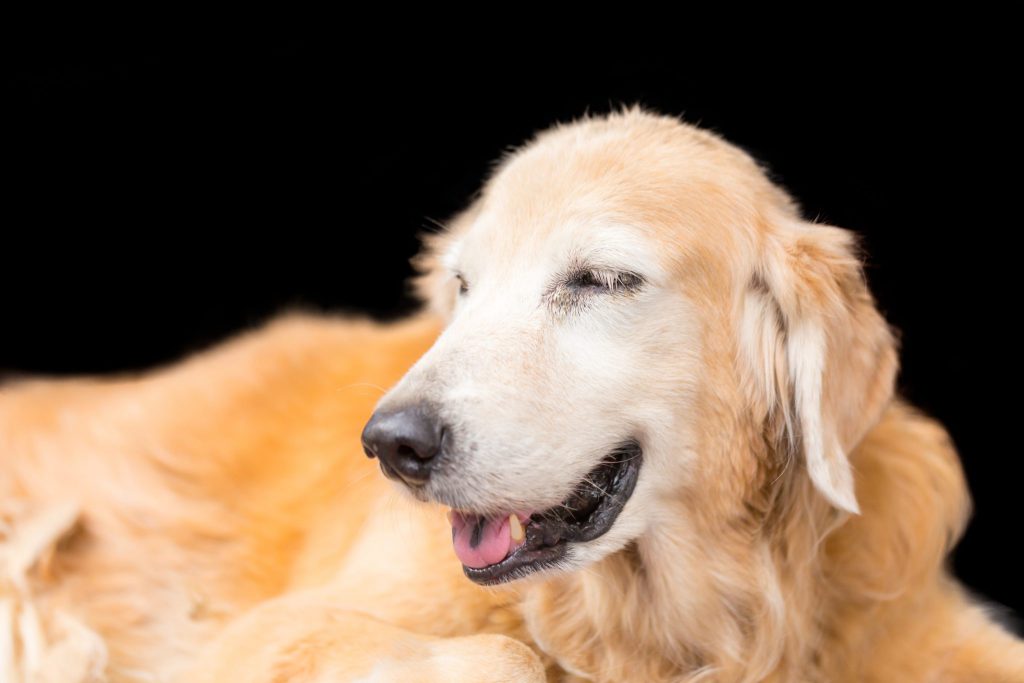
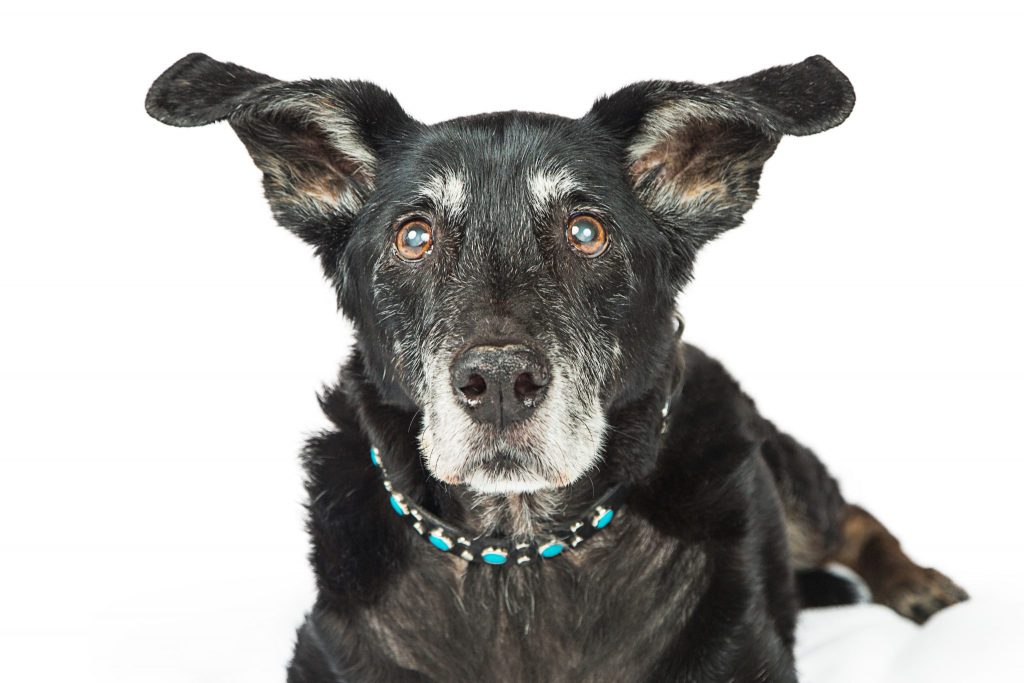
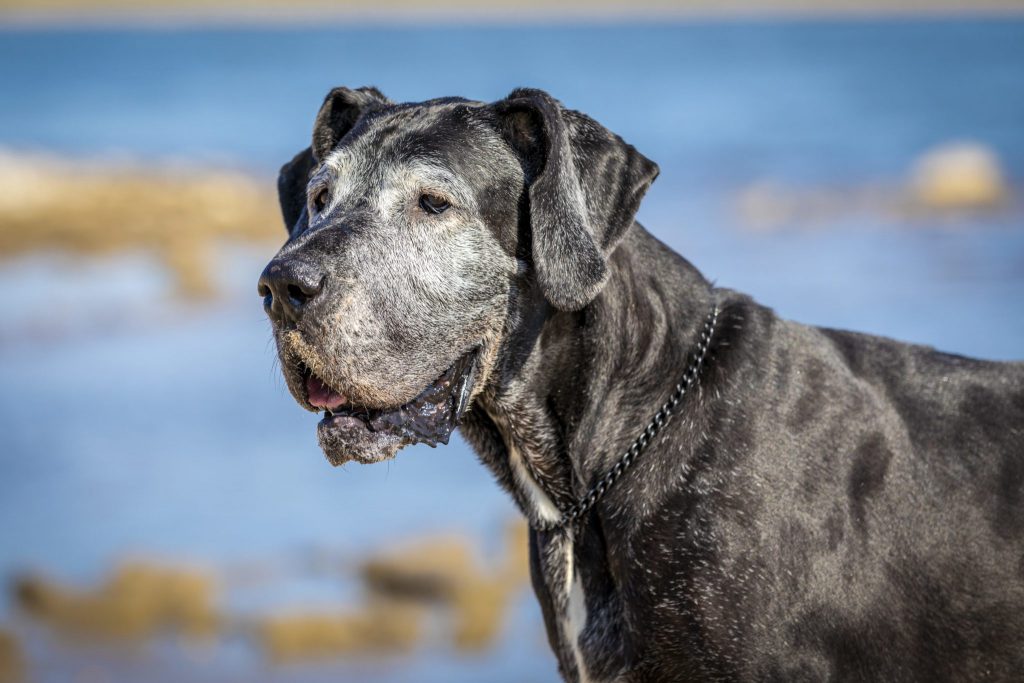

That’s right, dog dementia.
Just like humans, aging dogs can become senile, and what starts as a mild condition with a few, almost unnoticeable signs, usually tends to progress and worsen over time. No one likes to think that their dog is getting old, but when your best friend stops responding to its name, stops recognizing you, other family members or friends, and simply start acting different than usual, you’ve got yourself the red flags of dementia or, as it is also called, cognitive dysfunction syndrome.
The usual signs of dementia in dogs are mostly:
In a nutshell, dog dementia is characterized by your dog acting funny and with complete disregard for previously learned training, habits, or house rules, as if it forgot them. Of course, these signs vary from dog to dog and their severity depends on the progression of the condition. It’s not uncommon to see dogs with dementia getting stuck on corners, behind furniture or doors, barking for no reason, or simply becoming slow responding to stimuli or learning new tasks. Other signs may include increased licking due to stress, loss of appetite, decreased self-grooming, and incontinence, urinary or fecal (or even both!).
Plenty of online resources will tell you that about 50% of the dogs older than 11 years will show some sign of dementia, which is a good indicator of how prevalent this issue is.

The cause of dog dementia is unclear. There is evidence pointing to genetic factors, just like Alzheimer’s disease in humans, and we do know by now that there are a few chemical and physical changes occurring in the dog’s body that lead to an increased accumulation of a protein called beta-amyloid in the brain. This protein build-up ultimately slows or blocks nerve transmission and interferes with normal blood circulation in the brain, which, in turn, leads to the changes in awareness and behavior that are the hallmark of dementia. A decrease in dopamine production, a nervous system messenger chemical, may also be involved in the physiopathology of this condition.
There are no specific tests or exams that will tell you that your dog has dementia. Diagnosis is achieved through medical history, a physical examination (particularly focused on cognitive function), and ruling out other diseases, which may include performing blood tests, X-ray or ultrasound exams. Although these will not tell you anything about dementia, they will definitely help to determine no other health issues that may mimic dementia are taking place.

When we talk about treatment, there is a myriad of possibilities and success is achieved by owner compliance and willingness to help his or her dog, as no “magic pill” will do the trick. Many times it takes error and trial to find the right formula that will work for you and your dog.
We can divide treatment into four categories:
Conventional treatment relies on the use of a pharmaceutical drug called anipryl, which aims at reducing the signs of dementia by increasing the concentration of dopamine. The side effects of using anipryl include loss of appetite, increase in water intake, vomiting, anemia, and many owners actually report an increase in the signs of dementia, such as confusion, disorientation, and restlessness.

Changes in lifestyle play a huge role on treating dog dementia. Like any other progressive chronic disorder, life-long therapy and support are essential to maintain a dog’s quality of life. These lifestyle changes include keeping a strict daily routine of feeding, walking, exercising, playing, and training. Maintaining a healthy and stimulating environment is also extremely important and some examples include interacting regularly with your dog, spending time together, taking it out to socialize with other dogs, providing it with stimulating and interactive toys or games, and exercise or training sessions that may be as long as 5 or 10 minutes, depending on the dog’s physical condition, and are helpful to refresh their memory on old tricks. As little as hiding a treat and get it go and find it will contribute to an active lifestyle that will help hindering the progression of dementia. Also, make sure you don’t change the arrangement of the furniture, as it may confuse your dog, and get rid of any clutter you may have lying around because it may trip on it.
Switching to a natural, fresh, raw, unprocessed diet is another step towards health that can help your dog with dementia. You can cook it yourself, as there are so many good resources out there teaching you how, or you can look for commercial options, many of which have companies behind them that are truly concerned with providing more natural dog food options to their clients.

Herbs and supplements are of paramount importance in treating and managing dementia, as so many dog owners share in testimonies after they witness firsthand the improvements brought about by their use. Some herbal treatments and supplements that are recommended include hawthorne, gingko biloba (also known as waterhyssop), bacopa, Gotu Kola, alpha lipid acid, choline, rosemary, vitamin B6, resveratrol, flaxseed oil, coconut oil, turmeric, rhodiola, and omega-3 fatty acids. While some of these herbs and supplements have long been used in Ayurvedic and traditional Chinese medicine, others have started being used more recently, but all of them are known for their anti-aging, anti-inflammatory, and antioxidant properties.
Other holistic alternatives include acupuncture, aromatherapy to manage anxiety, and bioacoustics therapy or, more simply put, music! Yes, research tells us that simple sound, mostly classical music, enhances mind-body states that are conducive to healing and wellness.

We definitely do not need research to tell us how much of an effect music has on our nervous system, so why would it be any different with our pets? Well, it’s not. There are plenty of resources on YouTube that provide hours of relaxation music specific for pets, selected on the grounds of resonance (tone) and entrainment (rhythm), which basically make the breath, brainwaves, and heartbeat slow down to match the music.
Prevention of dementia before any signs appear is possible by switching to a more natural diet, using less chemical flea and tick products, and start supplementing with natural options with anti-inflammatory properties. Remember that natural approaches to disease tend to take more time to show their effectiveness, as they act slower than conventional drugs. All in all, it’s an everyday effort and a commitment to health that you must be up for. In the long run, though, it’s totally worth it.
The use of lawn chemicals (pesticides, herbicides, and rodenticides) on yards to control weeds, insects, or rodents is very common, particularly in the spring and summer months. These chemicals can be beneficial, but can also hurt your pets if they are not used or stored correctly.


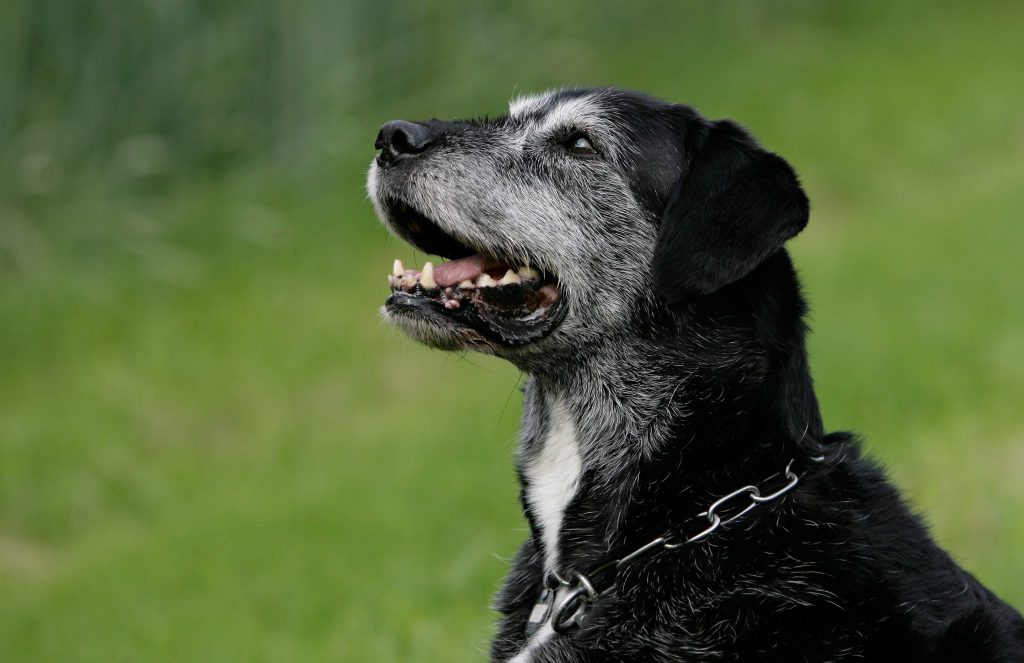
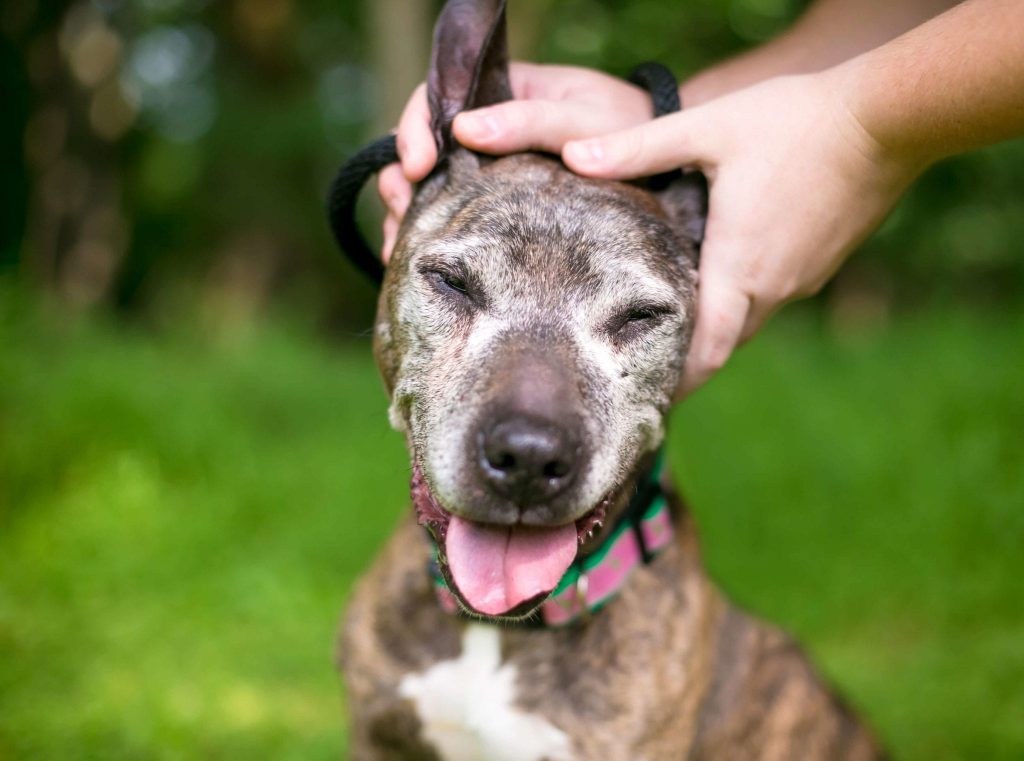
Devil's Claw comes from a desert plant (Harpagophtum procumbens) that lives in Southern Africa. The active ingredient is a compound harpagide, which exists in many medicinal plants. Its use has become more popular in veterinary and human medicine as a pain reliever. It has been reported to help with joint pain in dogs, horses and humans and established doses have shown to be safe in dogs.



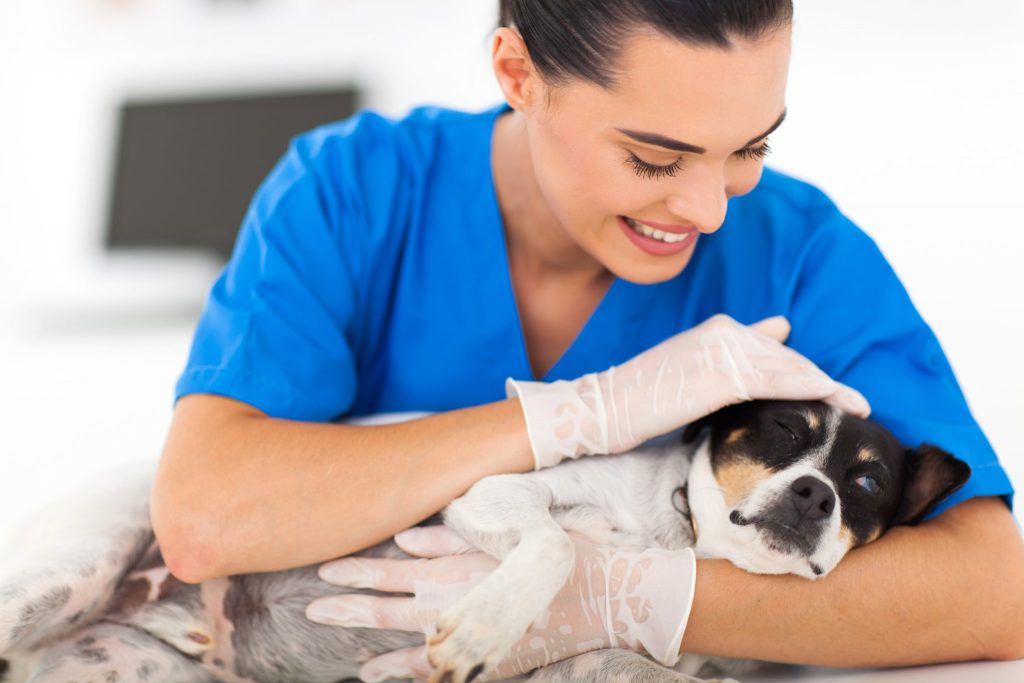
There is no simple explanation for the many responsibilities of a veterinary technician. There are many types of veterinary technicians; people most commonly think of them as a nurse and direct assistant to veterinarians.
However, many technicians specialize in other fields such as:
Many technicians perform most of these roles daily while they are always learning new skills and mentoring new technicians. Technicians play an important role in also guiding new veterinarians. They have many mandatory technical capabilities such as:
However, the role of technicians is so much more than technical capabilities. They play an important emotional role within the hospital. They are often the first person clients speak to and the last person the client listens to as we discuss the reason for the visit and explain the important discharge care for the patient.
Technicians also play a very important role in educating clients. Technicians listen to the frustration, anxiety, and grief of the client and provide them with the encouragement they need to make the appropriate decisions. They deal with the client’s emotions of pets being sick and try to comfort and appreciate the love for their pets. They provide the client will all the necessary information to guide them through their pet’s life to keep their pet healthy and happy. Technicians are the advocate for the pet and provide them with a voice. Every shift is an emotionally demanding day for a veterinary technician.
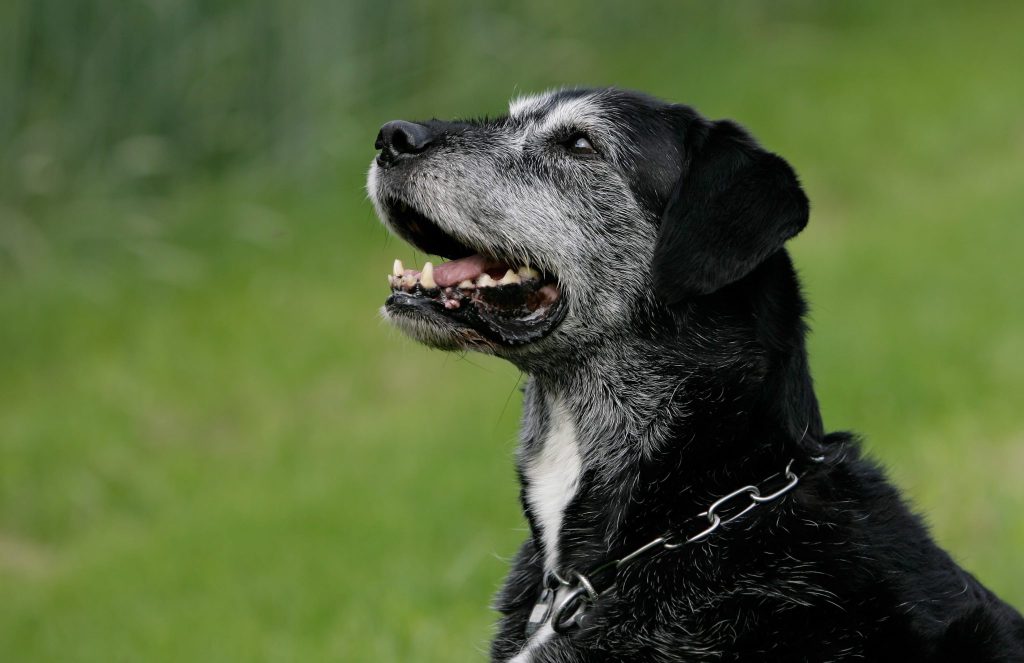
Technicians are the backbone and support of veterinarians by providing the necessary diagnostic and professional support essential to treat pets and prescribe the necessary treatments. They provide understanding and encourage the decisions veterinarians make and hold them up during a complicated case or when times are busy. Technicians assist them with difficult procedures and stand by them during long discussions.
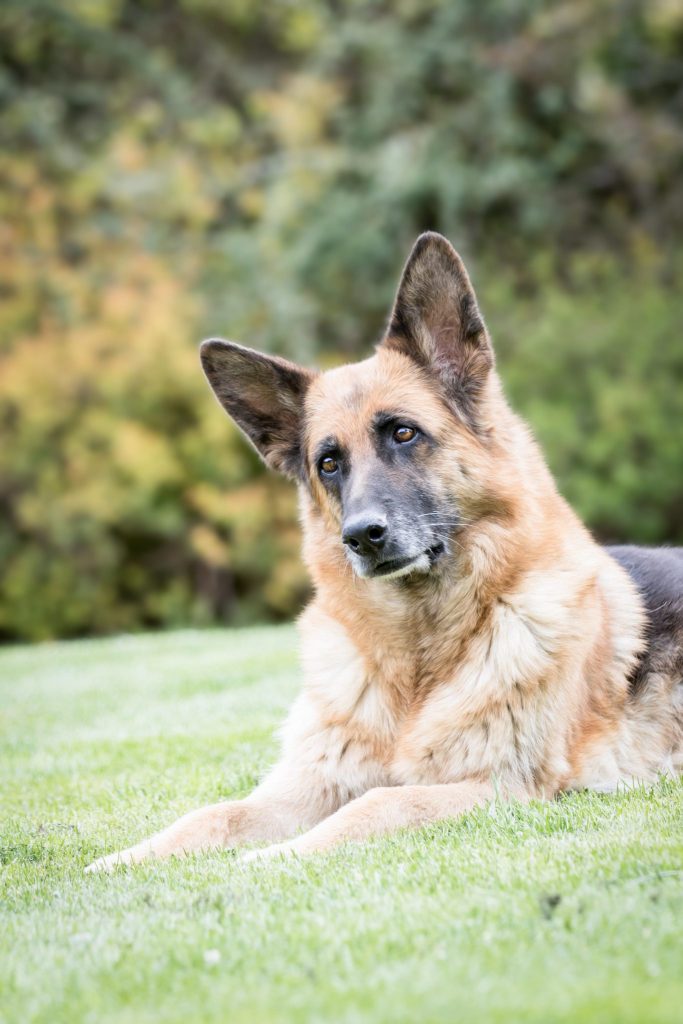
Veterinary Naturals Hemp & Hips ‘Senior Large Breed’
[/et_pb_text][et_pb_image src="https://vetnaturals.com/wp-content/uploads/2017/04/amazon-btn-150.png" url="https://www.amazon.com/Veterinary-Naturals-Hemp-Joint-Supplement/dp/B075NNTZK7/ref=sr_1_4?ie=UTF8&qid=1541287240&sr=8-4&keywords=Veterinary+Naturals" url_new_window="on" _builder_version="3.19.1" animation_style="slide" animation_direction="left" animation_duration="500ms" animation_intensity_slide="10%" saved_tabs="all"][/et_pb_image][et_pb_image _builder_version="3.19.1"][/et_pb_image][/et_pb_column][/et_pb_row][/et_pb_section]
Methylsulfonylmethane (MSM) is a naturally occurring compound and popular dietary supplement used both for people and animals. As we age, the amount of MSM the body produces decreases, therefore supplementation is useful. MSM has many helpful properties with improvement of pain and inflammation being the most significant. The supplement is well tolerated and has been shown to be safe in dogs.



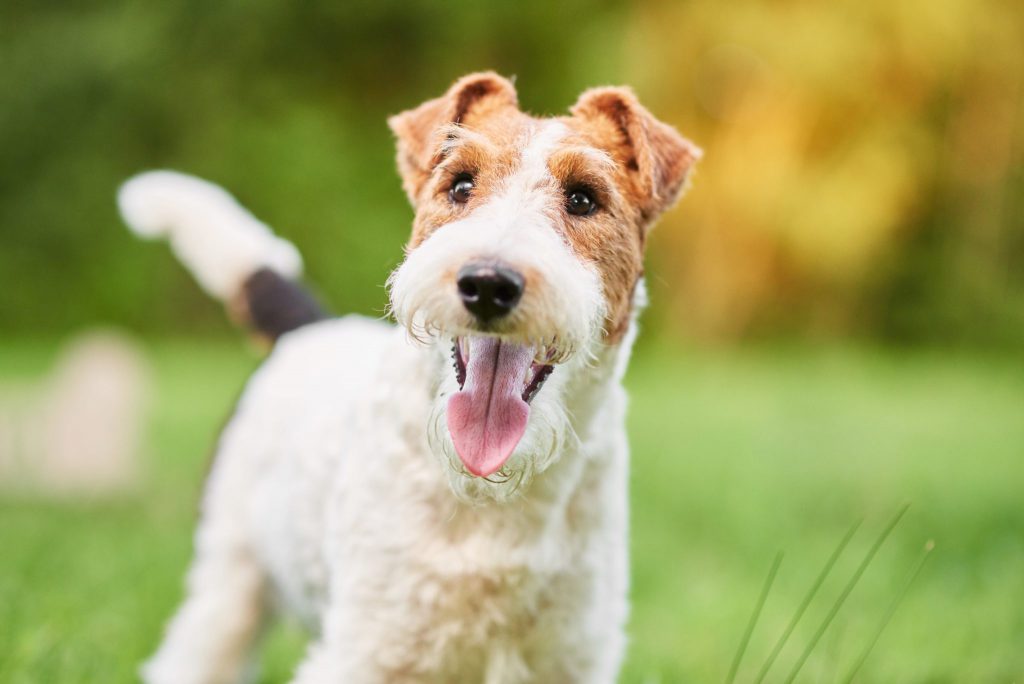

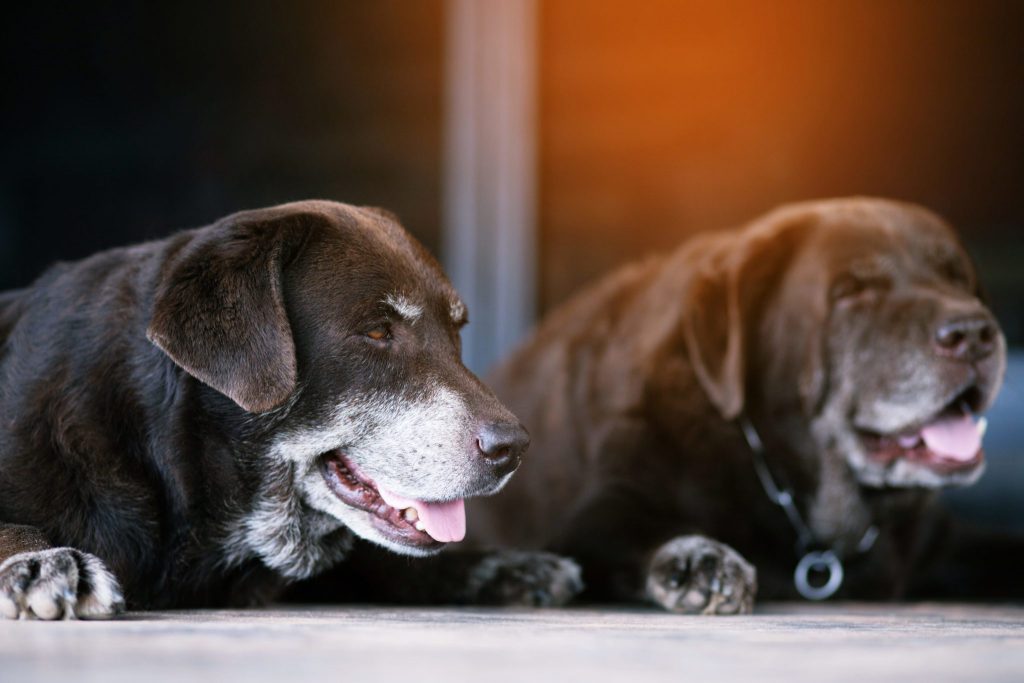
Veterinary Naturals Hemp & Hips ‘Senior Large Breed’
[/et_pb_text][et_pb_image src="https://vetnaturals.com/wp-content/uploads/2017/04/amazon-btn-150.png" url="https://www.amazon.com/Veterinary-Naturals-Hemp-Joint-Supplement/dp/B075NNTZK7/ref=sr_1_4?ie=UTF8&qid=1541287240&sr=8-4&keywords=Veterinary+Naturals" url_new_window="on" _builder_version="3.19.1" animation_style="slide" animation_direction="left" animation_duration="500ms" animation_intensity_slide="10%" saved_tabs="all"][/et_pb_image][/et_pb_column][/et_pb_row][et_pb_row _builder_version="3.19.1"][et_pb_column type="4_4" _builder_version="3.0.47" parallax="off" parallax_method="on"][et_pb_text _builder_version="3.19.1"]
There are many items that are popular around holiday time that can be hazardous to dogs. Having guests and visitors in the home can also pose a threat to pets. Here are some tips to keep your dogs safe to enjoy the holidays.

There are several food items that can be dangerous or toxic for your pets to consume.


Poinsettia has been commonly thought of as being very toxic to dogs. This is mostly a myth. However, contact or ingestions of poinsettia leaves can cause vomiting, diarrhea, nausea and irritation to the skin and eyes.


Glucosamine and Hemp Oil for Dogs – ‘Senior Large Breed’ Dog Arthritis Supplement – Soft Chew Senior Dog Vitamins
[/et_pb_text][et_pb_image src="https://vetnaturals.com/wp-content/uploads/2017/04/amazon-btn-150.png" url="https://www.amazon.com/Veterinary-Naturals-Hemp-Joint-Supplement/dp/B075NNTZK7" url_new_window="on" _builder_version="3.12.2"][/et_pb_image][et_pb_text _builder_version="3.12.2"]
Household Hazards. American Veterinary Medical Association.
Murphy, KF. “Plant Intoxications”. British Small Animal Veterinary Congress. Veterinary Information Network, 2007.
Richardson, J, Rishniw M. “Common Household Hazards”. Veterinary Information Network, 2017.
Poinsettia. Pet Poison Helpline.
“Toxic and Non-Toxic Plants: Holly.” ASPCA.
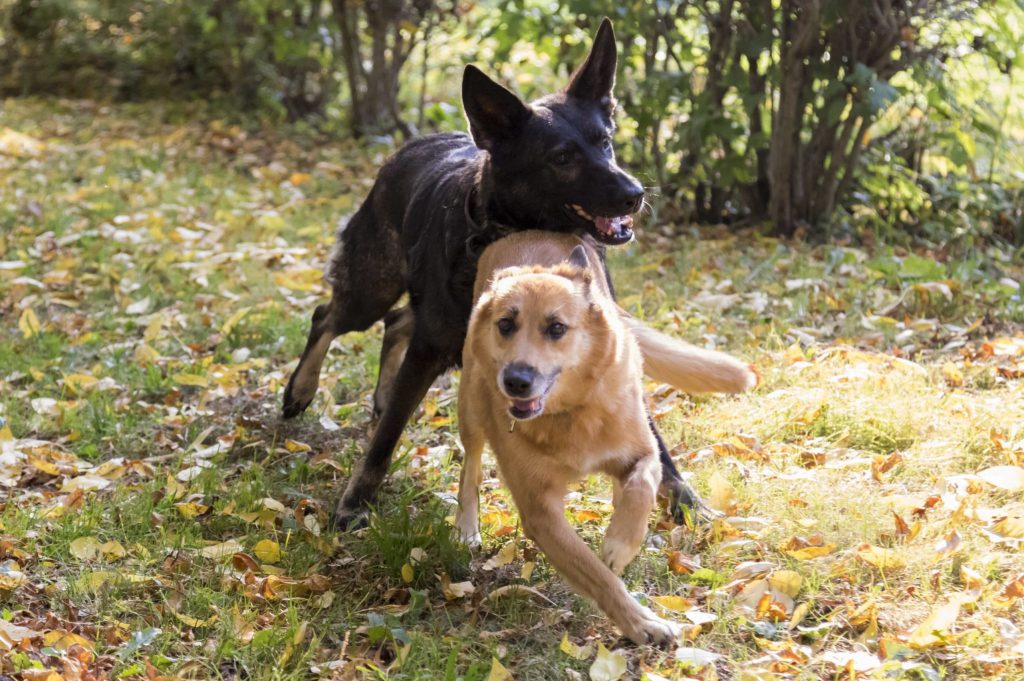
Dogs are living longer because of better veterinary care, however dogs are considered senior earlier than you might think. For most dogs, senior is considered greater than eight years old. Giant breed dogs, such as Great Danes or Saint Bernards, are considered senior over the age of five. Although it is great to have the extra time with our dogs, unfortunately this comes with a new set of age-related conditions.
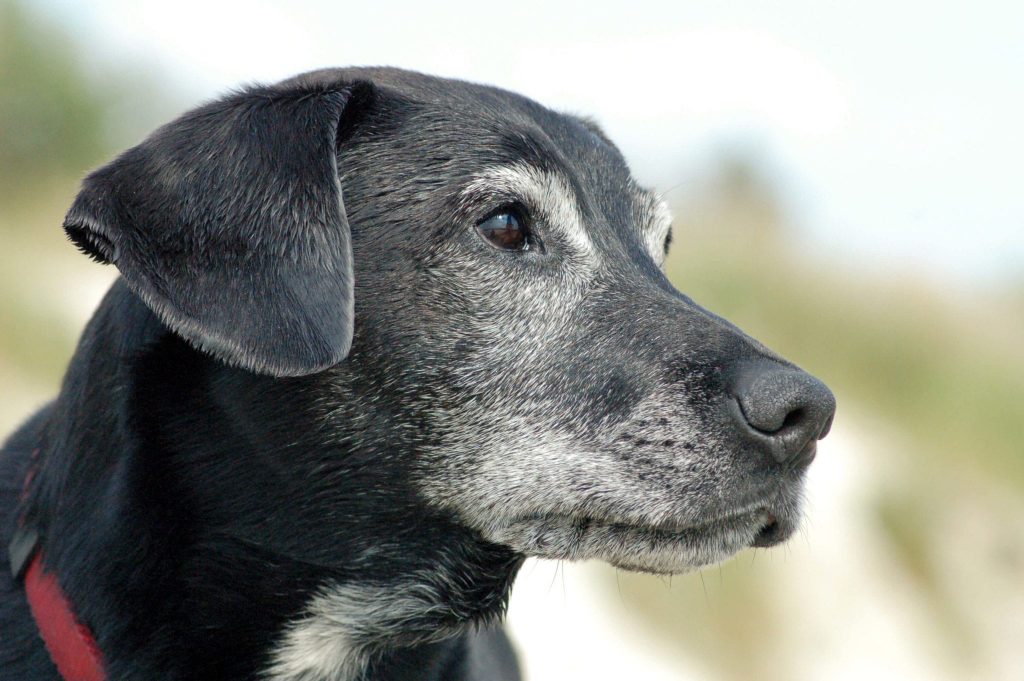
The goals of a veterinarian are to keep dogs happy and healthy as long as possible. Here are seven ways to help your senior dog have a better quality of life for as long as possible.
Once our pet is considered senior, ideal veterinary care will change from the visits we had when our dogs were young. It is recommended that older dogs have a veterinary visit semi-annually, or possibly more frequently if they have any health conditions. The exam may be more in depth, and appropriate testing may include bloodwork or x-rays as a tool to screen for disease or if your pet is having any abnormal signs. These tests and a physical exam by your veterinarian check for signs of diseases that are more common in our older dogs.

Sadly we can see disease in pets of any age, but senior dogs are more likely to develop the same health issues we see in older people including:
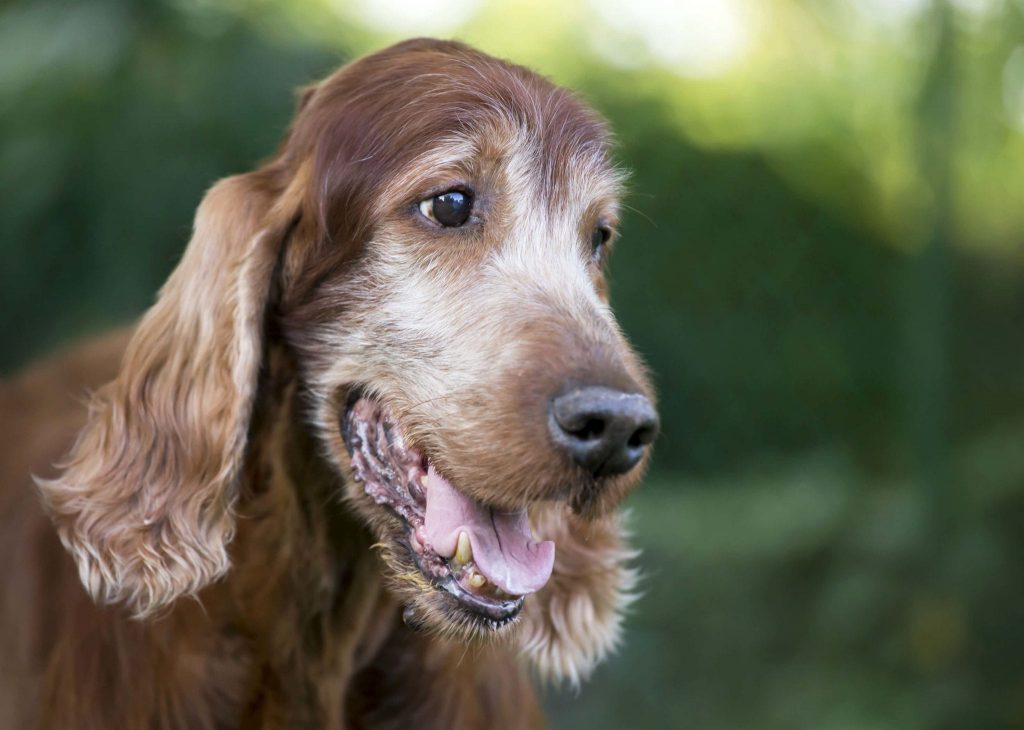
Although these signs can occur in dogs of a variety of ages, there are a few common signs of disease that senior dogs should be monitored for. If any of these signs are seen, a visit with your veterinarian is recommended. The following is a list of critical changes to monitor your pet for.
Many senior pets will sadly suffer from cancer and although there is not one specific sign to monitor for, there are some signs of cancer in dogs.
Monitoring pets for behavioral changes is critical because as we see these changes, abnormal medical signs may start to occur. Changes in behavior are a good indicator that your pet may have a disease.
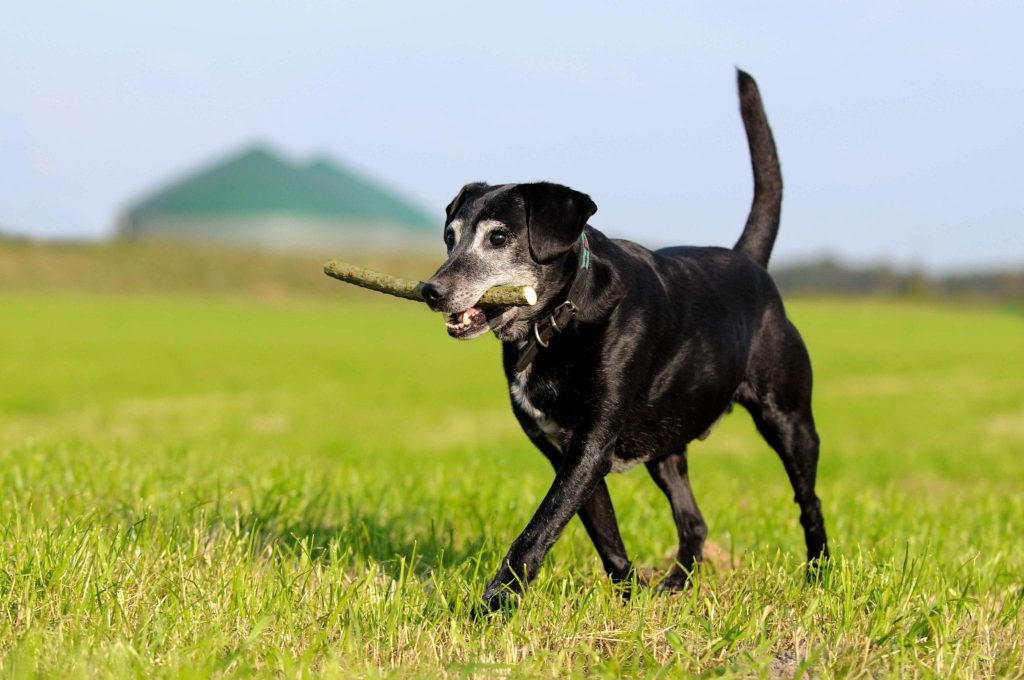
Below are the following possible behavioral changes we should closely monitor our older dogs for.
Many senior dogs will suffer from Canine Cognitive Dysfunction, which is similar to Alzheimer’s disease or dementia in people. Although there is no specific treatment to reverse the changes that occur in the brain during this process, there are some things that can be done to decrease the severity of the symptoms such as increasing exercise and mental stimulation. Attempting to teach your dog new tricks may also be helpful. Your veterinarian may recommend medicine and supplements, such as omega fatty acids that can help slow down the progression of the disease.
One of the biggest fears owners have for themselves, loved ones and their pets is to ensure they are not in pain. Pain can be expressed in each dog differently and many dogs are very tough and will not show signs of pain.
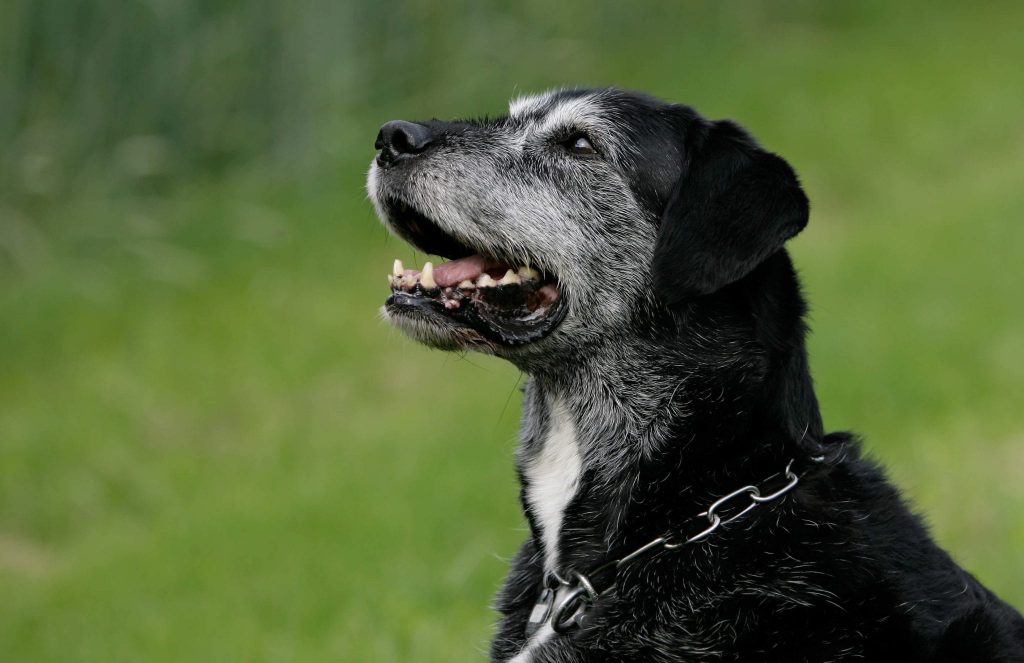
Below are some of the signs of pain.
A variety of diseases and conditions can cause pain, and there are many options for pain relief that can be discussed with your veterinarian. One or multiple prescription medications may be prescribed. The use of supplements such as omega fatty acids and glucosamine can provide pain relief. Other options include acupuncture, massage and physical therapy.
The use of supplements, particularly those containing glucosamine, chondroitin and omega fatty acids will benefit senior pets. Both can help significantly with arthritis, which is very common in older dogs. They have very rare side effects, mostly tummy upset that improves after a few doses and these supplements have been proven to be safe and effective. Many older pets will have changes in their activity level and avoid playing, jumping, running and other activities they previously enjoyed. The use of these supplements both as a preventative and treatment can help your pet have a healthy activity level.

Glucosamine and chondroitin have been shown to help with both the degenerative and autoimmune form of arthritis, and provide pain relief. Fatty acids have also shown to be beneficial for a variety of other diseases. These include kidney failure, abnormal rhythms of the heart (arrhythmias), heart failure, inflammatory bowel disease and some cancers.
Some simple household changes may also be beneficial to older pets. Especially due to arthritis or neurologic conditions, your dog can have a tough time around the house and a few changes may be very helpful.
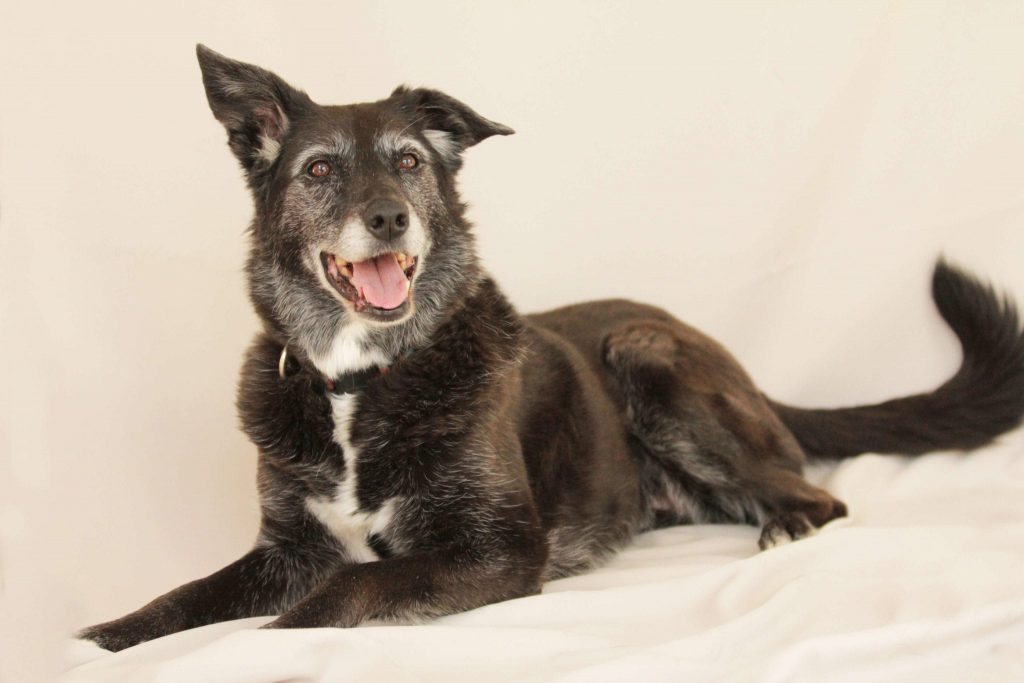
Other than the above changes, keeping everything similar to how your pet was raised is also ideal as your pet ages. Hearing and vision will diminish overtime, so moving or adding new pieces of furniture can affect your pet. Keeping bedding and food bowls in the same place will make life easier as these senses change. Moving homes can be difficult for older dogs and it can take them some time to become accustomed to their new household. And don’t forget to provide your aging dog with extra love and attention!
Weight changes can have a significant effect on a dog of any age, but particularly senior dogs. Keeping your dog at an ideal weight will provide your pet with a good quality of life. It is not important to focus on the number of pounds, but how your pet looks and feels. When you pet your dog on the side of the chest, you should be able to feel the bony ribs, but should not be able to see them from across the room. When you look at your dog from above, they should have a tiny inward tuck of their waist. If your dog does not have this appearance, your dog is considered overweight or obese.
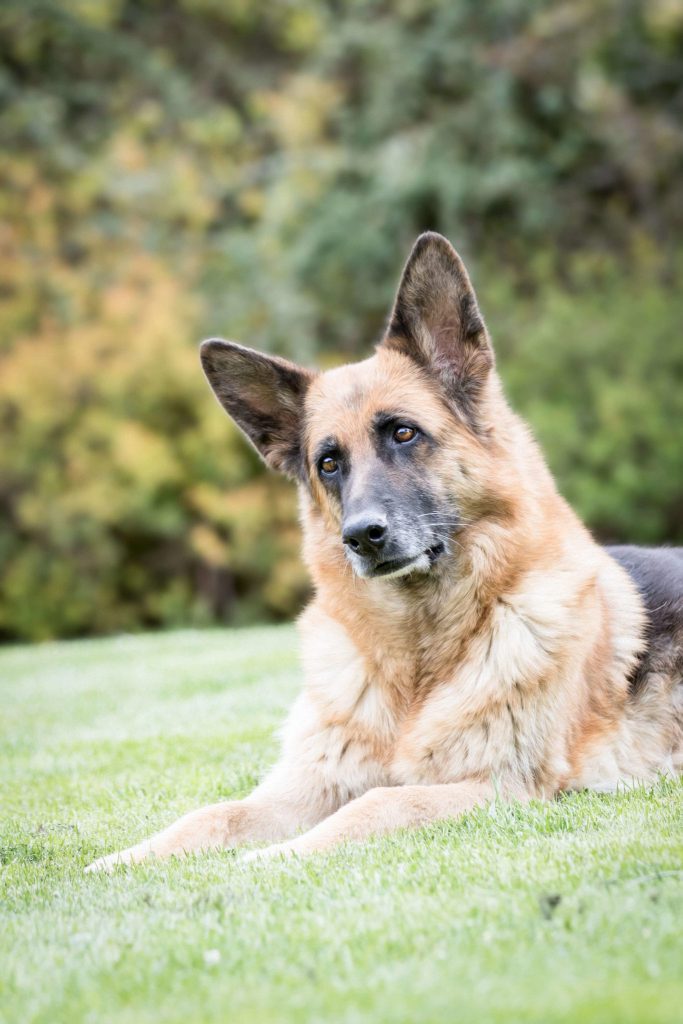
Excess weight or obesity increases the risk of many diseases, as it does in humans. Arthritis is one of the most common diseases affected by excess weight. However, respiratory issues, heart disease, high blood pressure and skin diseases also commonly occur. Despite feeding and exercising your dog properly, some dogs will gain weight due to an undiagnosed disease being present, most commonly hormonal diseases affecting the thyroid (hypothyroidism) or adrenal glands (Cushing’s disease). If your dog is gaining weight for no apparent reason, it is recommended to have them evaluated by a veterinarian and bloodwork will likely be recommended. An excess of treats can also result in weight gain and does not provide the appropriate nutrients..
Weight loss is also important to monitor. Some senior pets may become picky eaters as they age, and will need a diet change for them to maintain a healthy weight. However, weight loss in senior pets is often due to an underlying disease. As we all age, some muscle loss is to be expected, but drastic, rapid muscle loss is also a sign of illness.
Weighing your pet at home or by bringing large dogs to a veterinary hospital is the best way to monitor weight. When we see our dogs daily, it is difficult to judge ourselves.
Nutrition is key to helping your senior dog maintain a healthy weight. As your dog ages, so does their ability to taste and smell food, which can affect their appetite. Many dogs will become picky eaters, and a diet change may be helpful. Many dogs prefer canned food or moisture added to dry food as they age, as chewing may be more difficult for them. If your pet is healthy and at an ideal weight an adult maintenance or a senior diet is suitable and should contain the following:
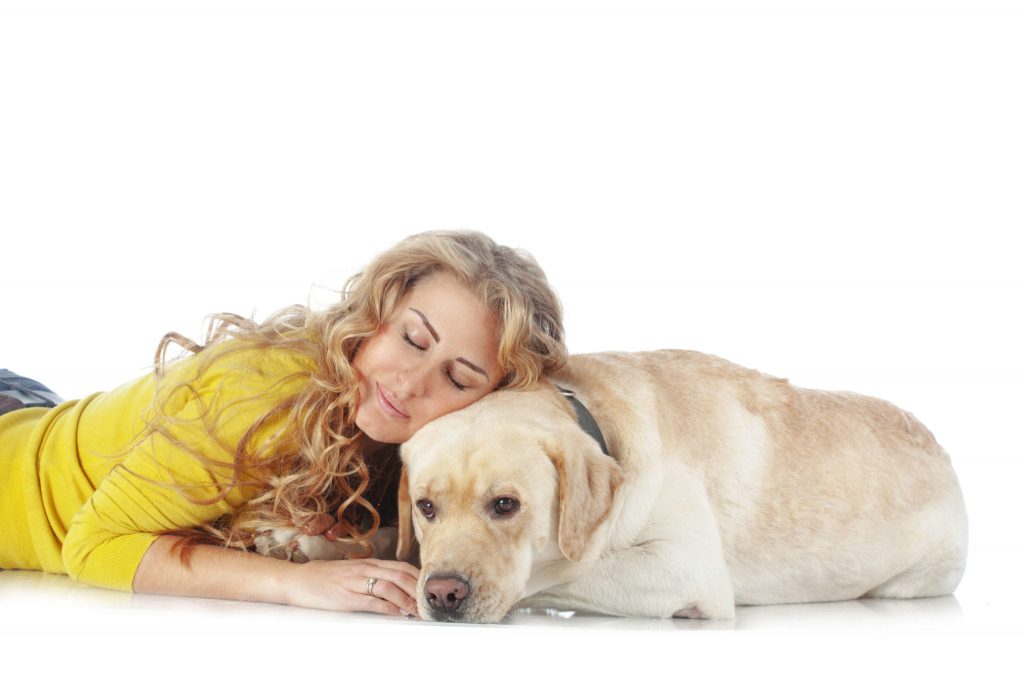
Many health conditions require a specific diet. These diseases are not often cured by diet but slow down the progression of the disease. The following diseases are just a few examples that can be helped by dietary changes.

Many people feed their dogs a home cooked diet. If a home cooked diet is being used, it is important that the appropriate amounts of supplements are added, as a dog should not eat only human food. A lack of appropriate canine nutrients can have detrimental effects on any dog, particularly those who are senior. There are many reasons why home cooked diets that are not supplemented appropriately can be unsafe. One example is taurine, an amino acid that when lacking leads to pets developing heart disease. There are supplement kits that can be added to home cooked diets.
A proper diet should be developed by working with your veterinarian to choose appropriate foods for your senior dog. If a home cooked diet is being used, you veterinarian can make sure your dog is getting adequate essential nutrients to maintain good health.
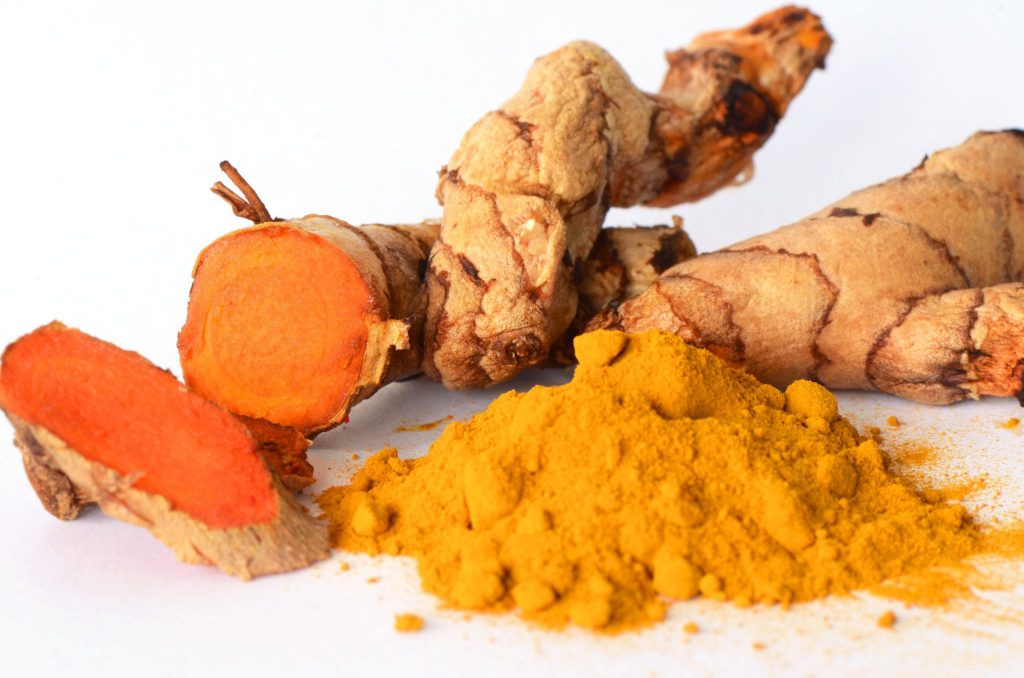
Turmeric is derived from a plant, Curcuma longa, which is in the same family as ginger and cardamom. Turmeric is thought to have many beneficial health effects. The use of turmeric and other nutraceuticals (food derived supplements) is gaining popularity in veterinary medicine and turmeric has been studied extensively to increase understanding of its potential benefits. The use of turmeric has been shown to be safe, with no reports of significant side effects.





Hemp & Hips:
[/et_pb_text][et_pb_image src="https://vetnaturals.com/wp-content/uploads/2017/04/amazon-btn-150.png" url="https://www.amazon.com/dp/B06ZYSPJF6" url_new_window="on" _builder_version="3.0.74" animation_style="slide" animation_direction="left" animation_duration="500ms" animation_intensity_slide="10%" saved_tabs="all"][/et_pb_image][et_pb_text _builder_version="3.12.2"]
Wynn SG, Fougere B. Veterinary Herbal Medicine. St Louis, MO: Mosby Elsevier; 2007:652, 653, 654, 655.
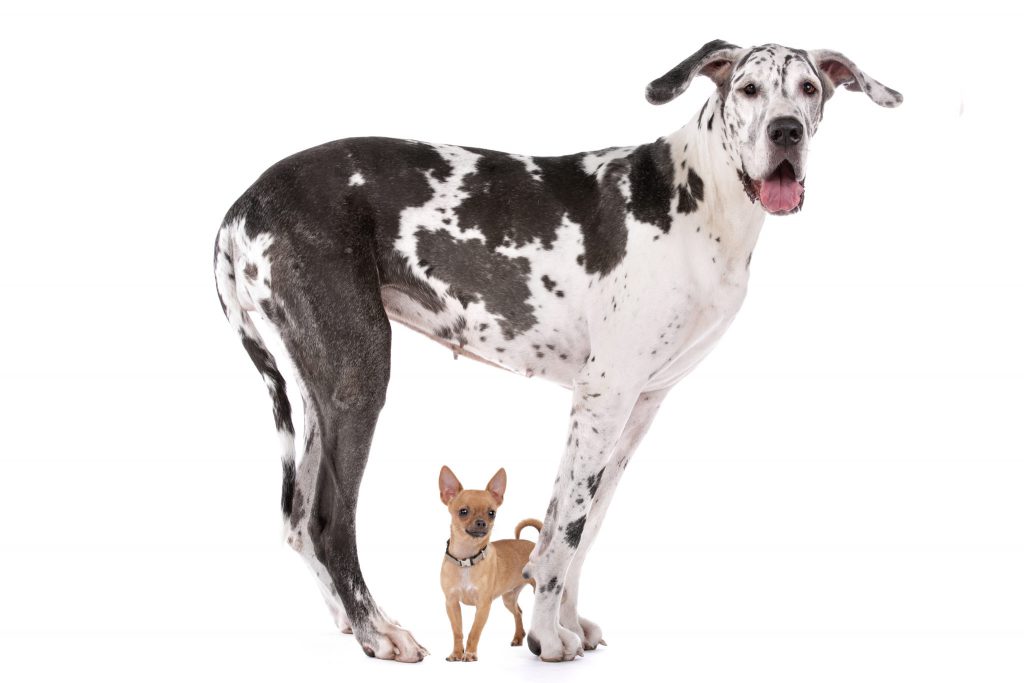
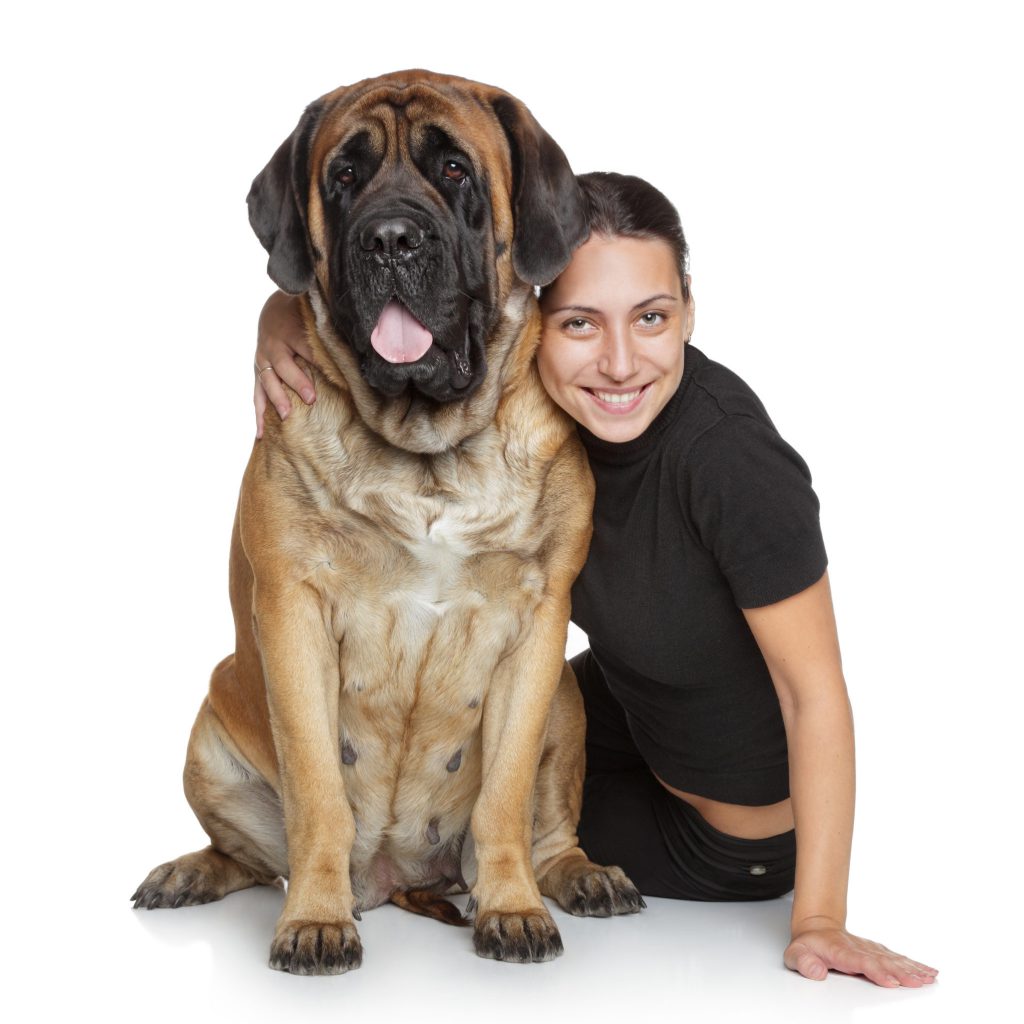
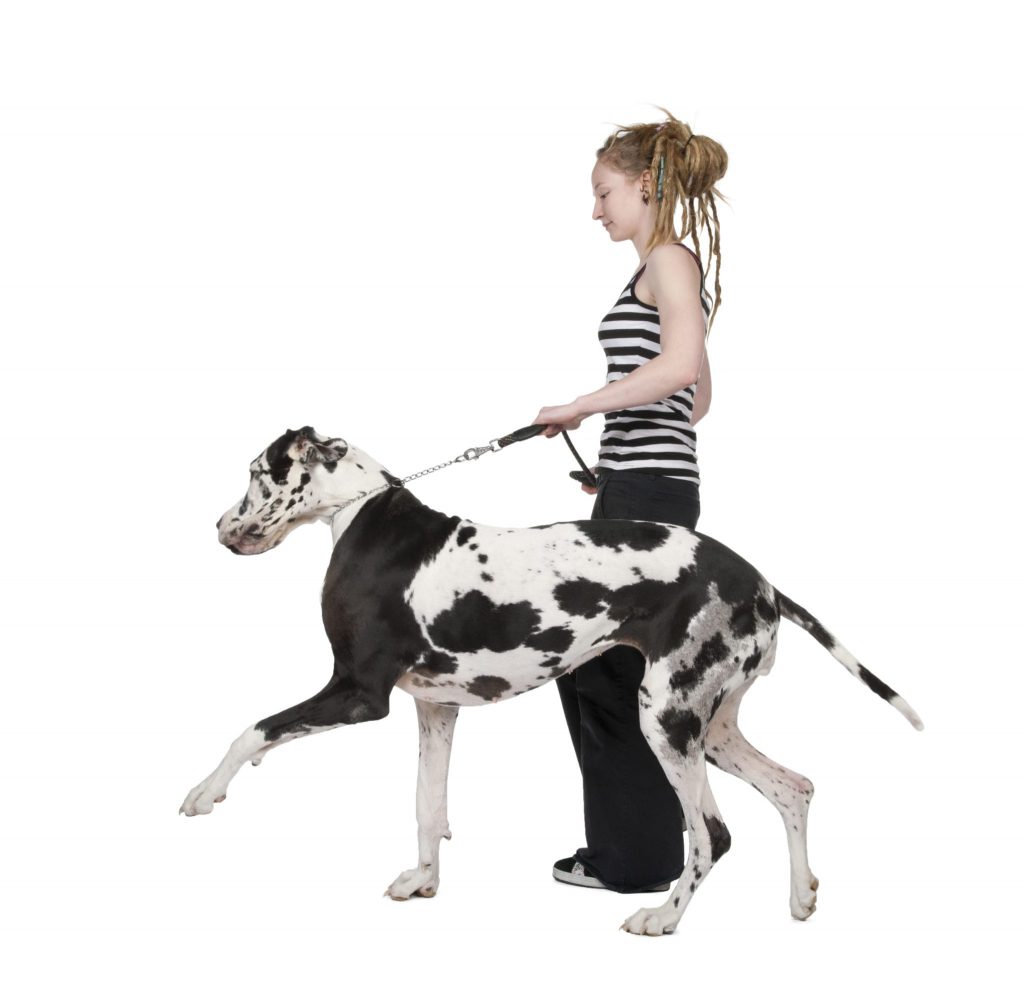
Many dogs can weigh up to 150 pounds or more. These dogs have specific health issues and care recommendations. The largest breed dogs include the Great Dane, Mastiff, Newfoundland, Saint Bernard, Leonberger, Bernese and Swiss Mountain Dogs, and the Irish Wolfhound. Many mixed breed dogs and Shepherds can also become very large.
Large and giant breed dogs are prone to getting a variety of orthopedic conditions, such as hip dysplasia and arthritis, even at an early age and are susceptible to stomach bloat.

Here are some recommendations to caring for large and giant breed dogs.






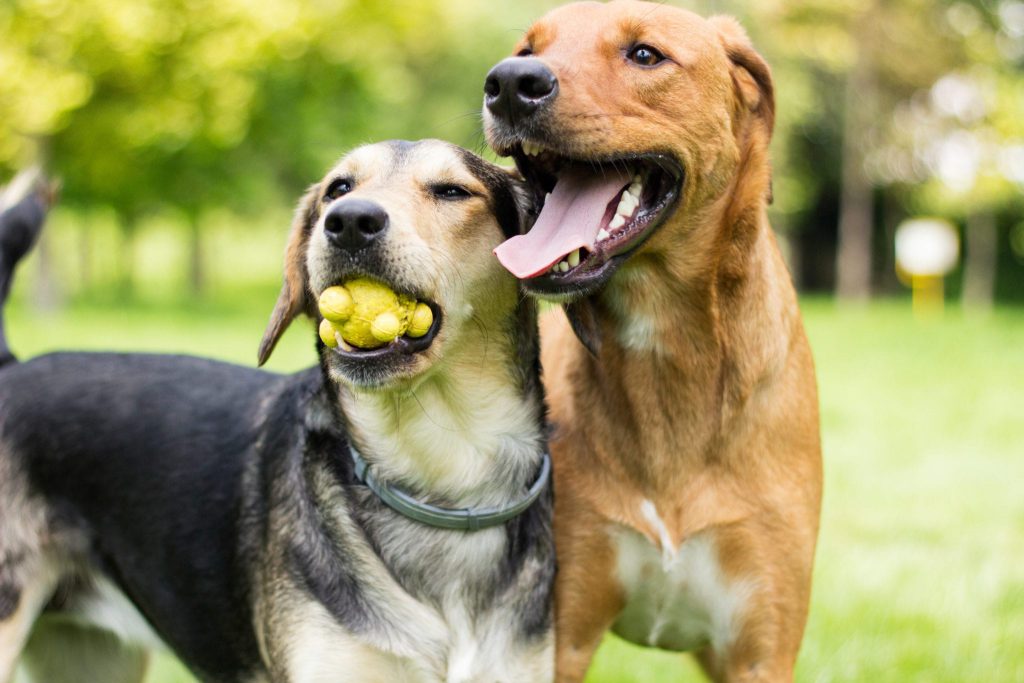
Hemp & Hips -
[/et_pb_text][et_pb_image global_parent="1222" src="https://vetnaturals.com/wp-content/uploads/2017/04/amazon-btn-150.png" url="https://www.amazon.com/Veterinary-Naturals-Hemp-Hips-Inflammation/dp/B01N2S774K" url_new_window="on" _builder_version="3.0.106" custom_css_main_element="float:left;||margin-right: 30px;" /][et_pb_image global_parent="1222" src="https://vetnaturals.com/wp-content/uploads/2017/04/chewy-btn-150.png" url="https://www.chewy.com/veterinary-naturals-hemp-hips/dp/152766" url_new_window="on" _builder_version="3.0.106" custom_css_main_element="float:left;" /][/et_pb_column][/et_pb_row][et_pb_row _builder_version="3.10.1"][et_pb_column type="4_4"][et_pb_text _builder_version="3.10.1"]
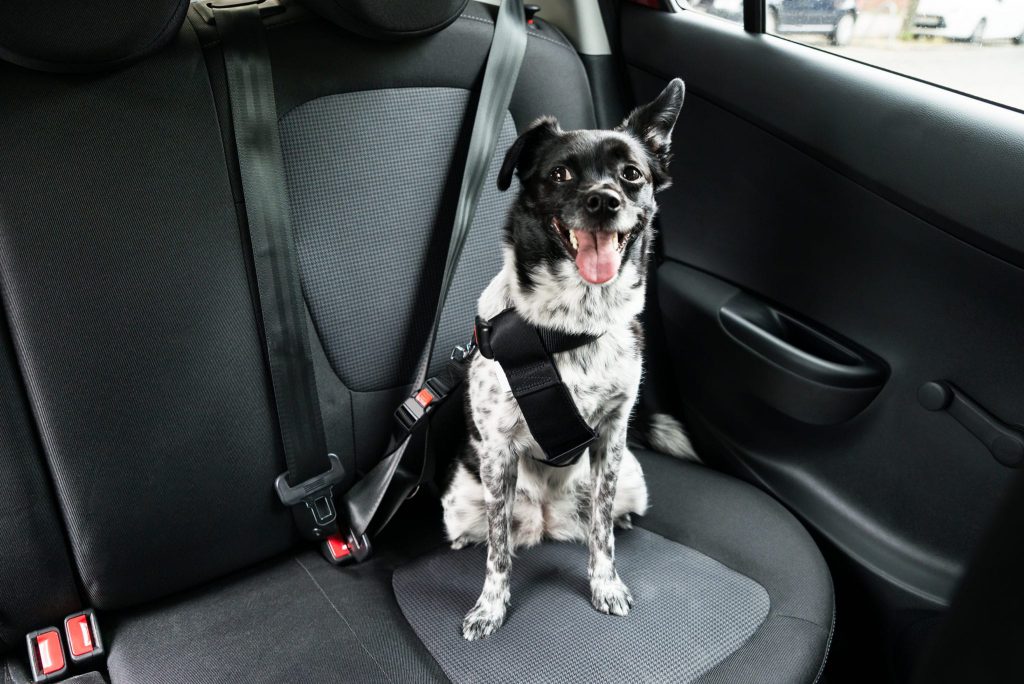
Driving in a car with a dog is usually fun for both the dog and the owner, but it can be dangerous for a variety of reasons. However, safe transport of a dog can be possible by following these recommendations.




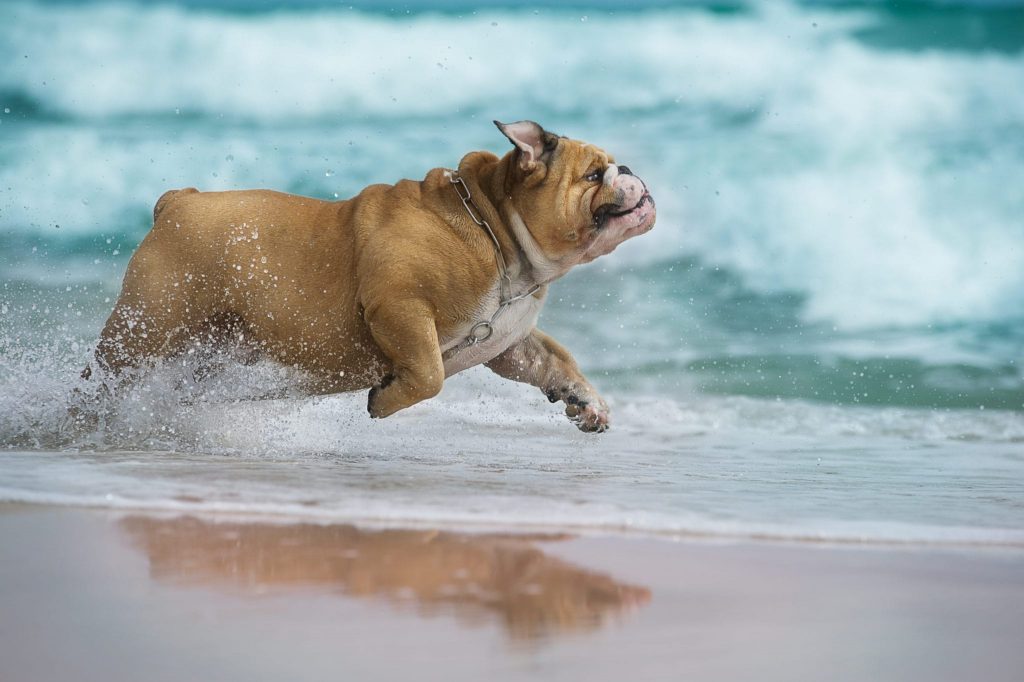
If it is too hot outside for you, then it is even hotter for your pet! Here are 10 precautions to be mindful of as the weather becomes warmer.
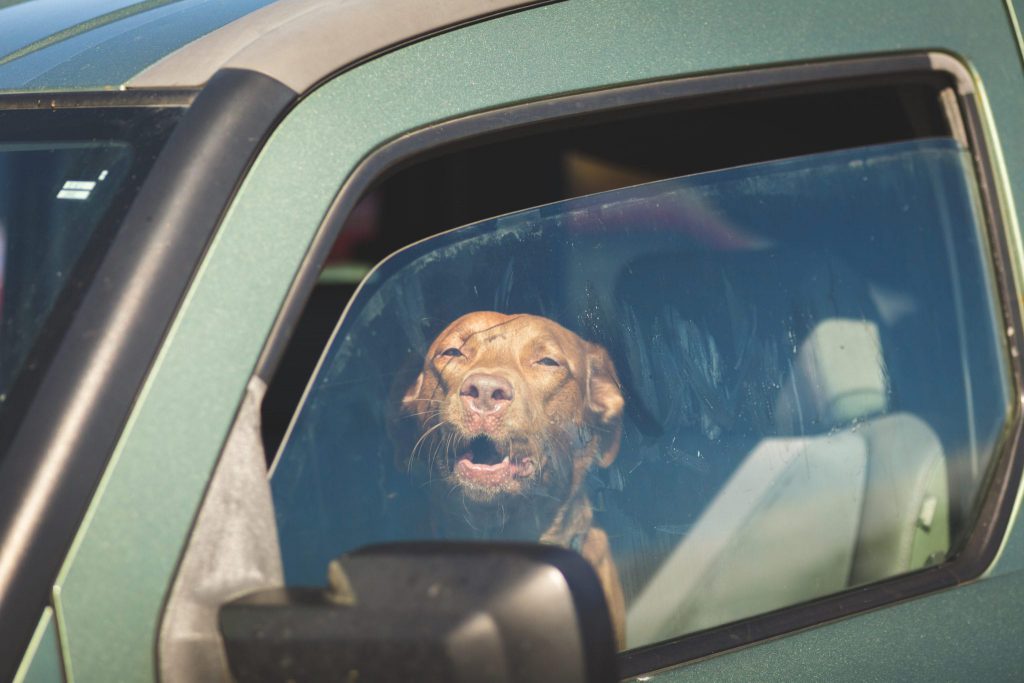
3) Make sure your pet always has plenty of access to fresh, clean water

8) Overweight pets and short-nosed breed dogs have a higher chance of having problems in the heat
Hemp & Hips -
[/et_pb_text][et_pb_image src="https://vetnaturals.com/wp-content/uploads/2017/04/amazon-btn-150.png" url="https://www.amazon.com/Veterinary-Naturals-Hemp-Hips-Inflammation/dp/B01N2S774K" url_new_window="on" _builder_version="3.0.106" custom_css_main_element="float:left;||margin-right: 30px;"][/et_pb_image][et_pb_image src="https://vetnaturals.com/wp-content/uploads/2017/04/chewy-btn-150.png" url="https://www.chewy.com/veterinary-naturals-hemp-hips/dp/152766" url_new_window="on" _builder_version="3.0.106" custom_css_main_element="float:left;"][/et_pb_image][/et_pb_column][/et_pb_row][/et_pb_section]


3. Increased thirst and urination. For increased thirst and urination to be truly a cause of a disease, it must be excessive. You should see a noticeable difference in the amount and frequency of drinking. How long your pet postures to urinate or whether urination is just more frequent can be a subtle sign. Urine accidents or urine in bedding may also occur. The top three diseases are the most common causes of increased thirst and urination.
These diseases can also increase thirst and urination.

Hemp & Hips:
[/et_pb_text][et_pb_image src="https://vetnaturals.com/wp-content/uploads/2017/04/amazon-btn-150.png" url="https://www.amazon.com/dp/B06ZYSPJF6" url_new_window="on" _builder_version="3.0.47" animation_style="slide" animation_direction="left" animation_duration="500ms" animation_intensity_slide="10%" saved_tabs="all"][/et_pb_image][et_pb_image _builder_version="3.0.106"][/et_pb_image][/et_pb_column][/et_pb_row][et_pb_row _builder_version="3.0.106"][et_pb_column type="4_4" _builder_version="3.0.106" parallax="off" parallax_method="on"][et_pb_text _builder_version="3.0.106"]
Ettinger, Stephen J., and Edward C. Feldman. Textbook of Veterinary Internal Medicine: Diseases of the Dog and the Cat. Elsevier Saunders, 2010.
Thompson, Mark S. Small Animal Medical Differential Diagnosis: a Book of Lists. 2nd ed., Elsevier, 2018.
Yin, Sophia A. The Small Animal Veterinary Nerdbook. Cattledog Press, 2010.
[/et_pb_text][/et_pb_column][/et_pb_row][/et_pb_section]
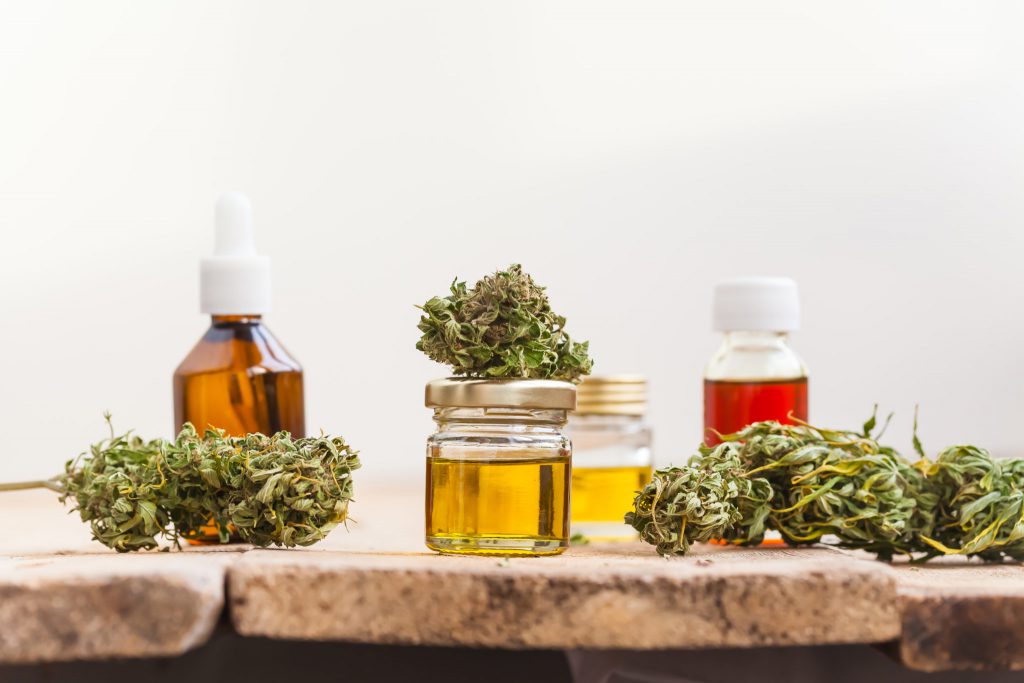
Hemp is an extract from the hemp plant. Hemp is available in various oral formulations such as oil and seeds, and is commonly used as a supplement for a variety of medical conditions.

CBDs have shown to have significant medical benefits, without the psychological effects that most people commonly associate with marijuana. Specific doses have now been established, and shown to be useful and safe in dogs. CBDs have demonstrated pain relief, as well as anti-inflammatory and antioxidant benefits.
Researchers from several veterinary schools have studied the safety of hemp in animals, and hemp products appear to be well tolerated in dogs.

Hemp oil or seeds are made to provide symptomatic relief in a variety of conditions. Hemp oil may reduce anxiety, inflammation, pain, arthritis, seizures, and improve appetite. Hemp seed is a fiber, which has been shown to be beneficial in the treatment of diarrhea and constipation. Vet Naturals hemp products are produced in the US, in an FDA certified facility.

Hemp products can help decrease pain by reducing inflammation and promote tissue healing. The mechanism by which it relieves pain is believed to be similar to that of non-steroidal anti-inflammatory drugs (NSAIDSs), by blocking the molecule prostaglandin E2 (PGE2). CBD has also been shown to reduce PGE2 in a similar action to reduce inflammation.
NSAIDs are commonly used as pain medication that requires bloodwork monitoring and, in some patients, have side effects on the liver, kidney and gastrointestinal tract. No such monitoring is needed, nor have these side effects been reported with hemp products.
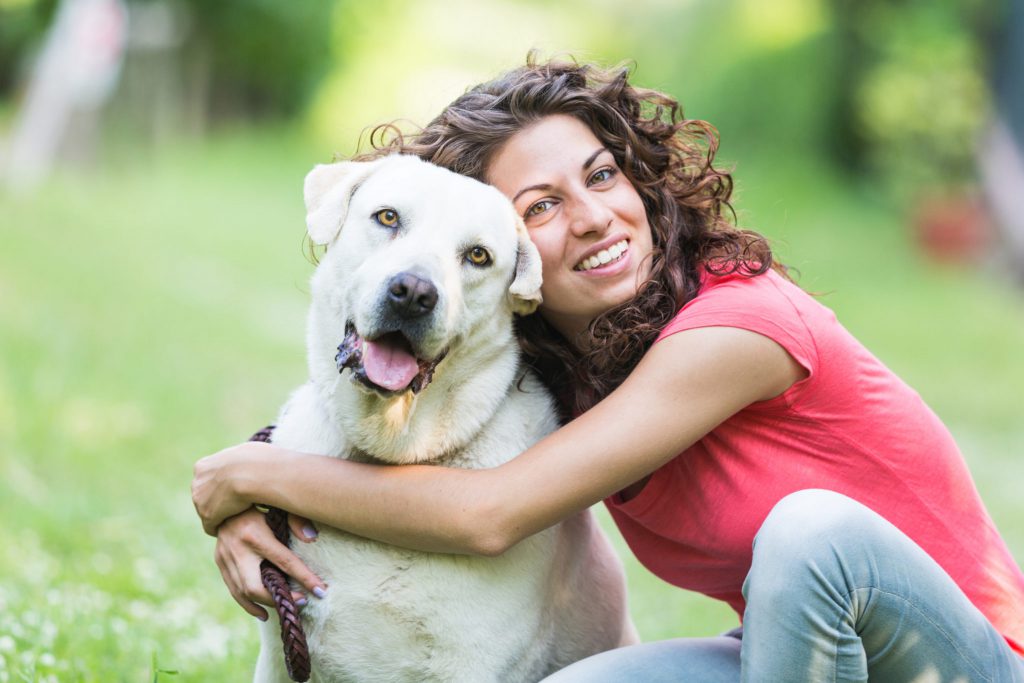
Supplementing with hemp oil may decrease the amount, or even the necessity to give NSAIDs to many dogs that are in pain. Neuropathic pain, or pain originating from the nervous system, has also been shown to be decreased with the use of CBDs.

Hempseed oil contains fatty acids, which are the building blocks of a healthy skin barrier that can help improve clinical signs of some dermatologic diseases. A very common problem in dogs is atopic dermatitis (allergy hypersensitivity).
Often this disease requires medications that may have side effects (immunosuppressant drugs). Supplements containing hempseed oil may decrease the amount needed or even be able to allow dogs to be comfortable without immunosuppressants.

Studies over the last 30 years have demonstrated that CBDs can help cancer patients by causing cell death, reduce the development of new blood vessels to tumors and prevent cancer from invading other tissues or metastasizing. This occurs without affecting normal cells or tissues.
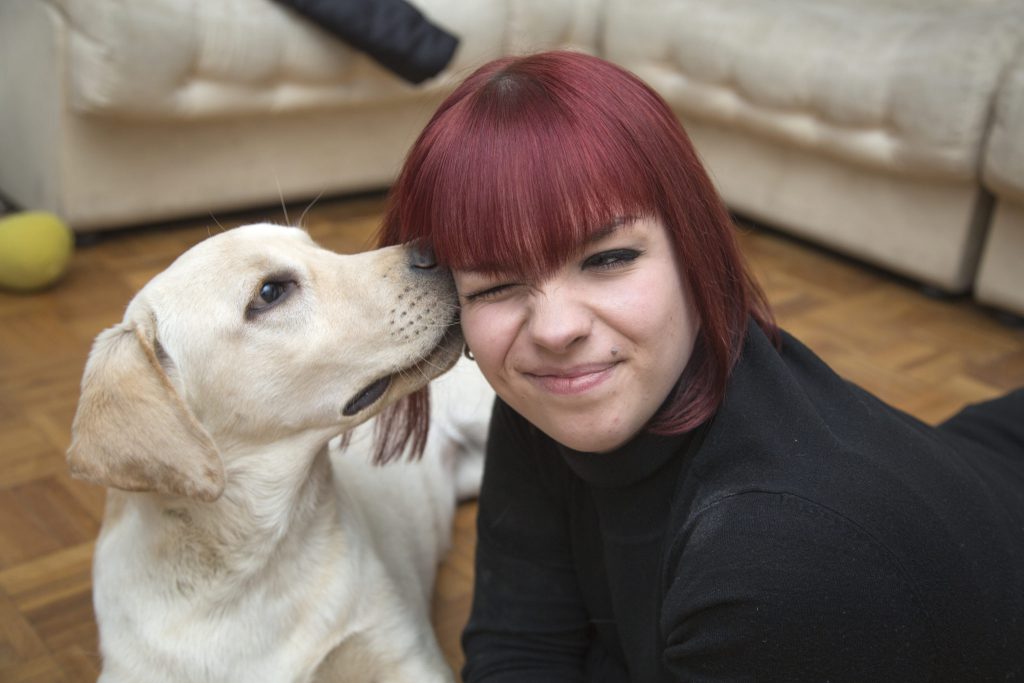
Depending on the specific tumor type, CBD may have more or less benefit. Hemp may be particularly useful in those types of cancers that are very painful, as cancer-related pain can be difficult to treat.
There is evidence that CBD in conjunction with the use of classical pain medications can help relieve cancer-related pain. Veterinary oncologists report it is safe to also use products like hemp oil in conjunction with traditional treatments like chemotherapy.

It is thought that CBDs reduce the excitement of nerve cells (neurons), cells that transmit nerve impulses, which can reduce seizure potential. Studies in human and rodents have shown that CBDs have anticonvulsant effects.
Many dogs with a seizure disorder may be on 1-3 anticonvulsant medications, many of so which have side effects. Even so, many of these animals will still experience seizures. Seizures are not likely to totally stop with medications or supplements, but decreasing the severity and frequency of recurring seizures will improve quality of life for the pet.
Bartner, Lisa, et al. “Assessment of Safety, Toxicity, and Pharmacokinetics of Cannabidiol in Healthy Dogs”. American College of Veterinary Internal Medicine Conference, Veterinary Information Network, 2017.
Callaway, James, et al. “Efficacy of Dietary Hempseed Oil in Patients with Atopic Dermatitis.” Journal of Dermatological Treatment, vol. 16, no. 2, Mar. 2005.
Fine, Perry G., and Mark J. Rosenfeld. “The Endocannabinoid System, Cannabinoids, and Pain.” Rambam Maimonides Medical Journal, vol. 4, no. 4, Oct. 2013.
Lancto, Cheryl A., et al. “Altered Expression of Antimicrobial Peptide Genes in the Skin of Dogs with Atopic Dermatitis and Other Inflammatory Skin Conditions.” Veterinary Dermatology, vol. 24, no. 4, Aug. 2013
Podell, Michael. “Highs and Lows of Medical Marijuana in the Treatment of Epilepsy”. American College of Veterinary Internal Medicine Conference. Veterinary Information Network, 2015.
Robert, Silver J. “Cannabis and Cancer”, Wild West Veterinary Conference. Veterinary Information Network, 2016.
Romano, Barbara, et al. “Inhibition of Colon Carcinogenesis by a Standardized Cannabis Sativa Extract with High Content of Cannabidiol.” Phytomedicine, vol. 21, no. 5, 2014.
Russo, Ethan. “Cannabinoids in the Management of Difficult to Treat Pain.” Therapeutics and Clinical Risk Management, vol. 4, Feb. 2008.
Salazar M, Carracedo A, Salanueva IJ, et al. “Cannabinoid action induces autophagy-mediated cell death through stimulation of ER stress in human glioma cells” J Clin Invest. Vol. 119, no. 5, 2009.
Velasco G, Sanchez C, Guzman M. Towards the use of cannabinoids as antitumor agents. Nature Reviews/Cancer, vol. 12, 2012.
[/et_pb_text][/et_pb_column][/et_pb_row][et_pb_row custom_padding="17px|0px|27px|0px" _builder_version="3.0.101"][et_pb_column type="1_4" _builder_version="3.0.101" parallax="off" parallax_method="on"][et_pb_text _builder_version="3.0.101"]Hemp & Hips
[/et_pb_text][et_pb_image src="https://vetnaturals.com/wp-content/uploads/2017/04/amazon-btn-150.png" url="https://www.amazon.com/Veterinary-Naturals-Hemp-Hips-Soft/dp/B06ZYJ737C/ref=lp_16740413011_1_1?srs=16740413011&ie=UTF8&qid=1521643650&sr=8-1" _builder_version="3.0.101"][/et_pb_image][/et_pb_column][et_pb_column type="1_4" _builder_version="3.0.101" parallax="off" parallax_method="on"][et_pb_text _builder_version="3.0.101"]Hemp & Harmony
[/et_pb_text][et_pb_image src="https://vetnaturals.com/wp-content/uploads/2017/04/amazon-btn-150.png" url="https://www.amazon.com/Veterinary-Naturals-Calming-Treats-Harmony/dp/B076DP3GN7/ref=lp_16740413011_1_2?srs=16740413011&ie=UTF8&qid=1521643650&sr=8-2" _builder_version="3.0.101"][/et_pb_image][/et_pb_column][et_pb_column type="1_4" _builder_version="3.0.101" parallax="off" parallax_method="on"][et_pb_text _builder_version="3.0.101"]Hemp & Health
[/et_pb_text][et_pb_image src="https://vetnaturals.com/wp-content/uploads/2017/04/amazon-btn-150.png" url="https://www.amazon.com/Veterinary-Naturals-Probiotic-Soft-Health/dp/B06XTBV8SX/ref=lp_16740413011_1_4?srs=16740413011&ie=UTF8&qid=1521643650&sr=8-4" _builder_version="3.0.101"][/et_pb_image][/et_pb_column][et_pb_column type="1_4" _builder_version="3.0.101" parallax="off" parallax_method="on"][et_pb_text _builder_version="3.0.101"]Salmon & Hemp Oil
[/et_pb_text][et_pb_image src="https://vetnaturals.com/wp-content/uploads/2017/04/amazon-btn-150.png" url="https://www.amazon.com/Veterinary-Naturals-Wild-Alaskan-Salmon/dp/B0727KT379/ref=lp_16740413011_1_5?srs=16740413011&ie=UTF8&qid=1521643650&sr=8-5" _builder_version="3.0.101"][/et_pb_image][/et_pb_column][/et_pb_row][/et_pb_section]
Osteoarthritis (more commonly known as arthritis or degenerative joint disease) is a common condition affecting cartilage of movable joints such as knees, elbows and hips.
The term directly translates to inflammation of joints. Healthy cartilage provides a cushion between bones and is surrounded by joint fluid that allows our bones to glide over one another without friction or pain.
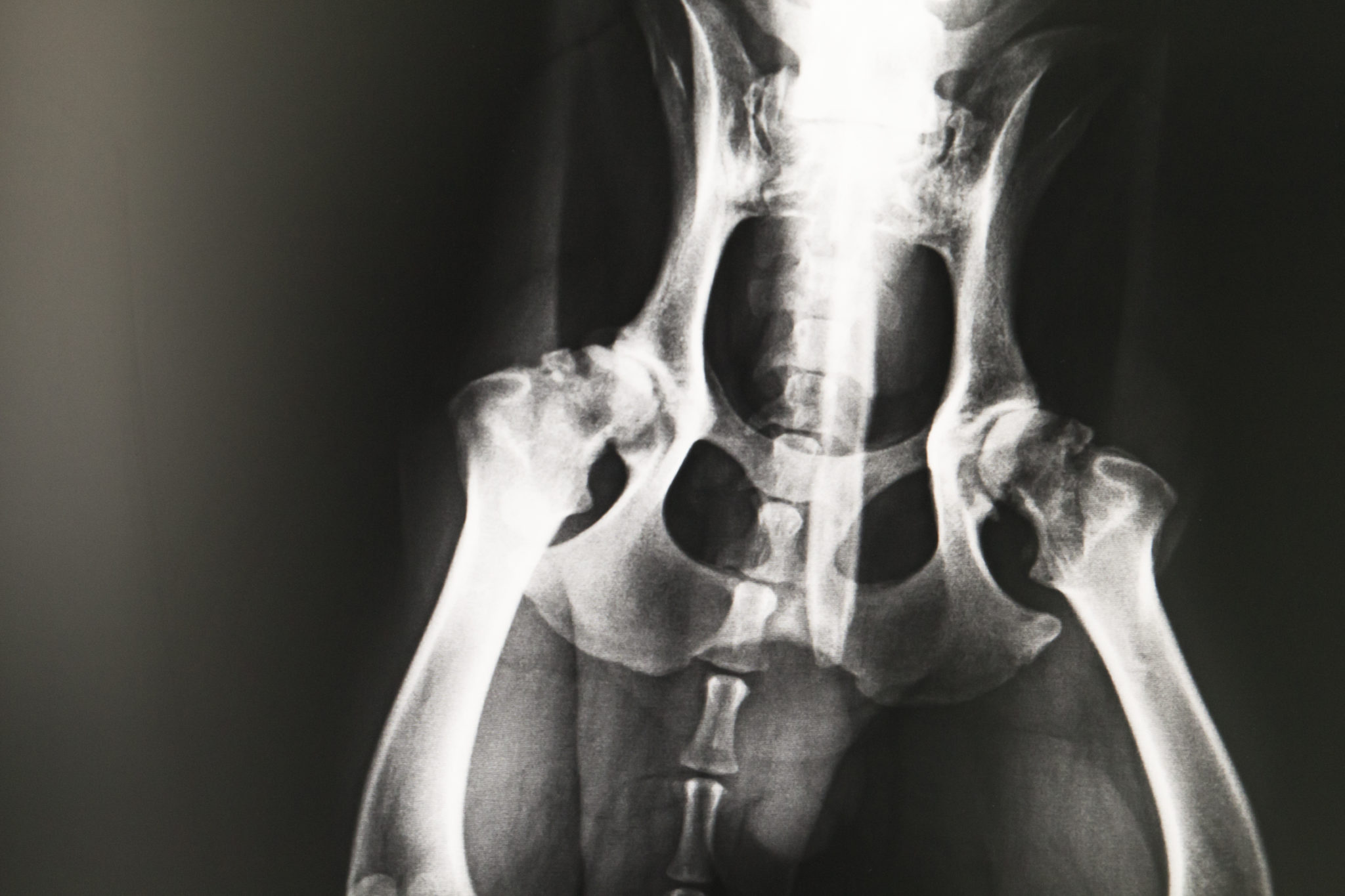
At least 1 in 5 dogs will suffer from arthritis in their lifetime, but this number is likely even higher, particularly in large breed dogs. If your dog is limping and having mobility issues, a likely cause is arthritis but there could be other causes that need to be ruled out by your veterinarian.
History, examination by your veterinarian and x-ray findings assist in making a diagnosis of arthritis. Some dogs will have limping but some will have non-specific signs, such as a change in their temperament, which may include decreased appetite, depression or even aggression.
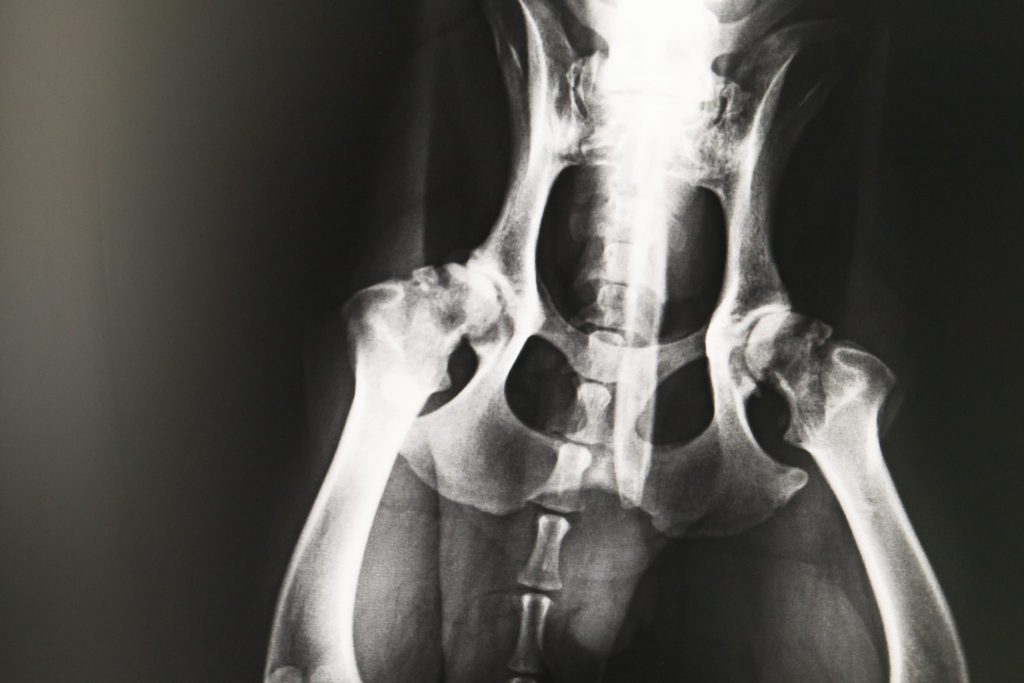
On physical exam, your veterinarian may note abnormalities such as stiffness, decreased range of motion, soft tissue swelling, muscle atrophy and weight loss. Taking proper x-rays is important. Sometimes other diseases can mimic signs of arthritis, for example, infection, autoimmune diseases or cancer.
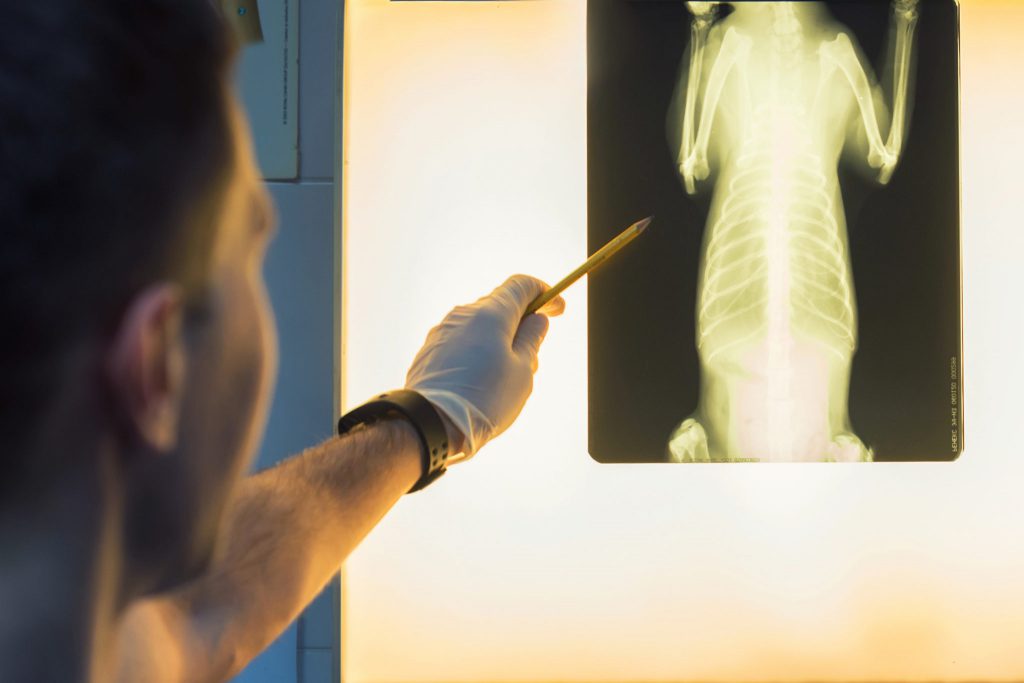
The x-rays can show a variety of changes including thickened capsule of a joint, bone spurs, new bone formation, or abnormal joint fluid. The veterinarian may recommend a joint tap procedure to analyze the joint fluid if the findings are not clear.
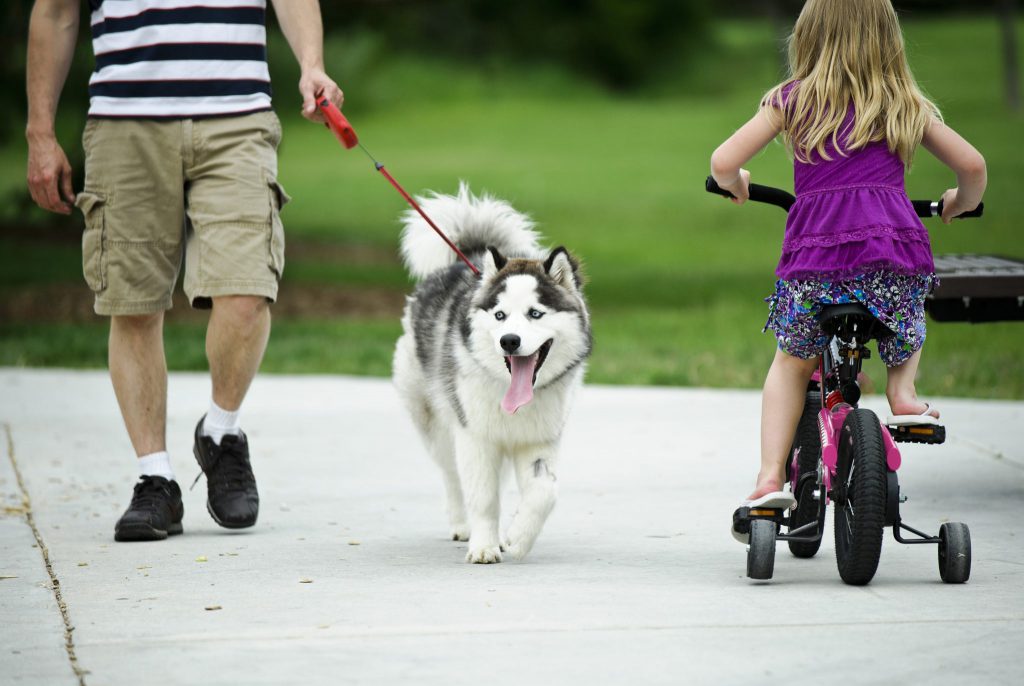
Many pets will unfortunately be predisposed to getting arthritis, particularly large breed dogs, but there are things that can be done to prevent or slow down the severity of the disease. Keeping your pet at an ideal weight, feeding a balanced diet, and joint supplements has been shown to prevent arthritis.
The ideal body condition of a dog should include being able to easily feel their ribs by lightly touching their sides. When you look down you should see the belly is tucked in, or an hourglass figure. Weight is very influential in preventing your pet from getting serious diseases and living a long time with a good quality of life, just like in people.
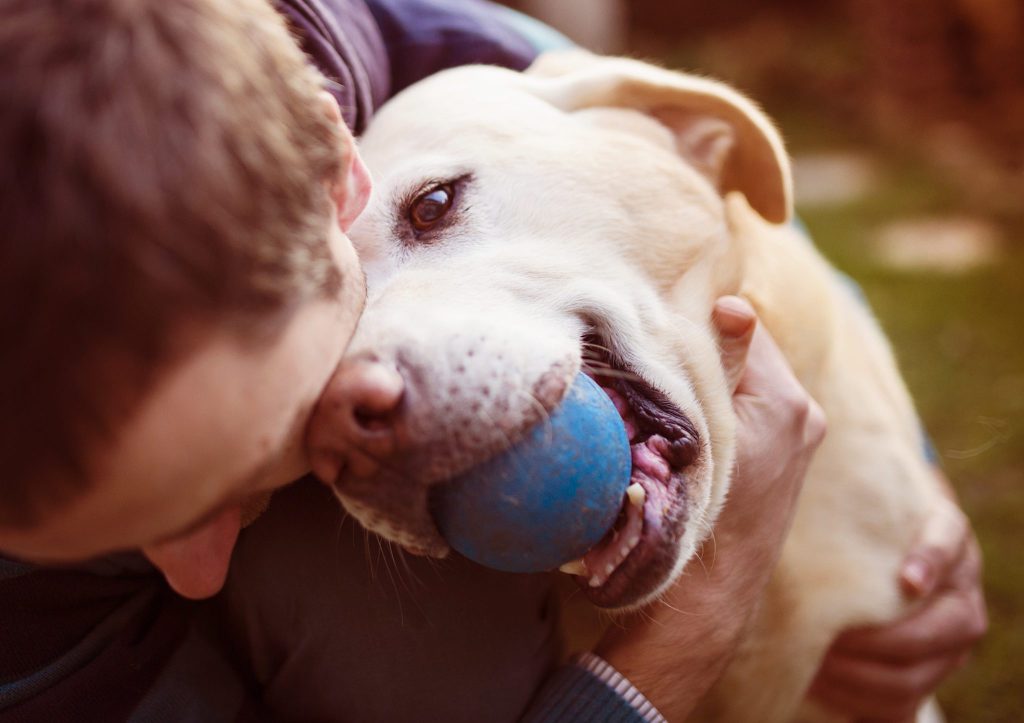
Similar to prevention, a joint supplement containing glucosamine is a critical part of both preventing and treating arthritis. Glucosamine is well studied in humans and dogs and shows to improve joint and bone health.
Glucosamine is an amino acid that is naturally produced in the body and is present in many body tissues including joints, tendons and ligaments. It is a component of a molecule called a glycosaminoglycan (GAG) that allows joints to hold a healthy amount of fluid and absorb shock caused by the normal use of joints.
Glucosamine works by stimulating new GAG production to keep the joints healthy. Chondroitin is often contained in a supplement with glucosamine and is also a GAG that works similarly to glucosamine. Fish oil is also used as it reduces inflammation, swelling and pain. All three can be used in combination safely
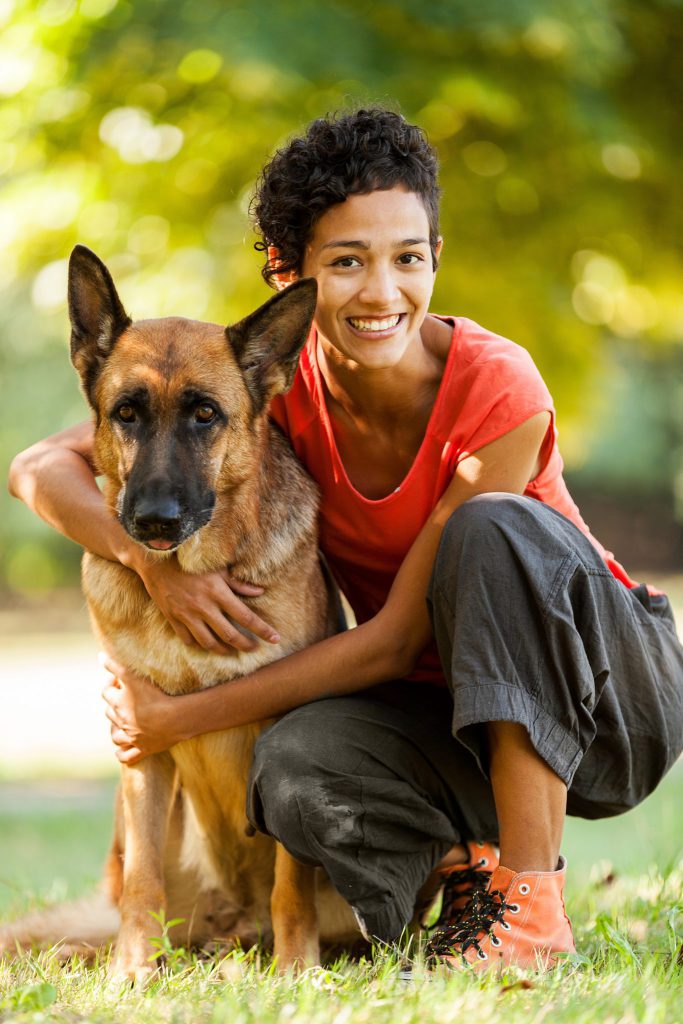
Many medications may also be used to help with pain associated with arthritis. Your veterinarian may prescribe the use of medications such as non-steroidal anti-inflammatories, opiods and neuropathic pain medications.
These can be very helpful in decreasing inflammation and improving quality of life, often multiple medications can be used together, in conjunction with supplements.
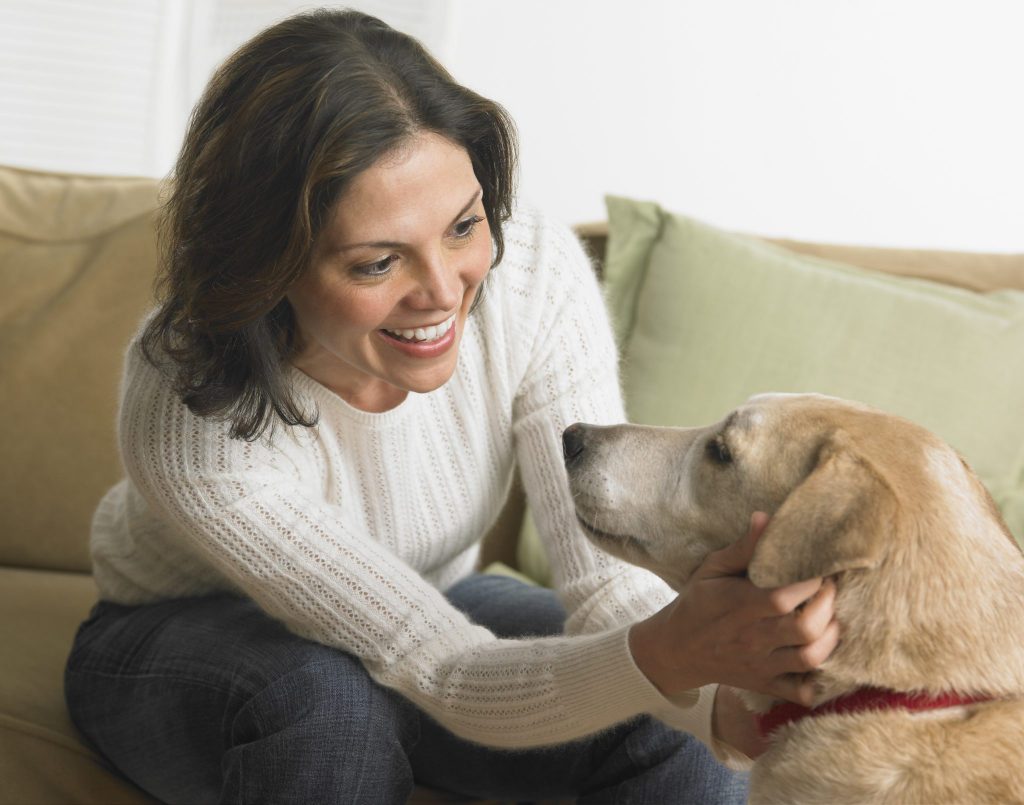
Relatively new to the field of veterinary medicine, physical therapy has also evolved for pets. Use of modalities such as swimming pools, underwater treadmill, electric stimulation (e-stim) and laser therapy has been shown to help with arthritis. Acupuncture, exercises at home, such as range of motion, and massage have also become popular and many dog owners report they have significantly improved mobility.
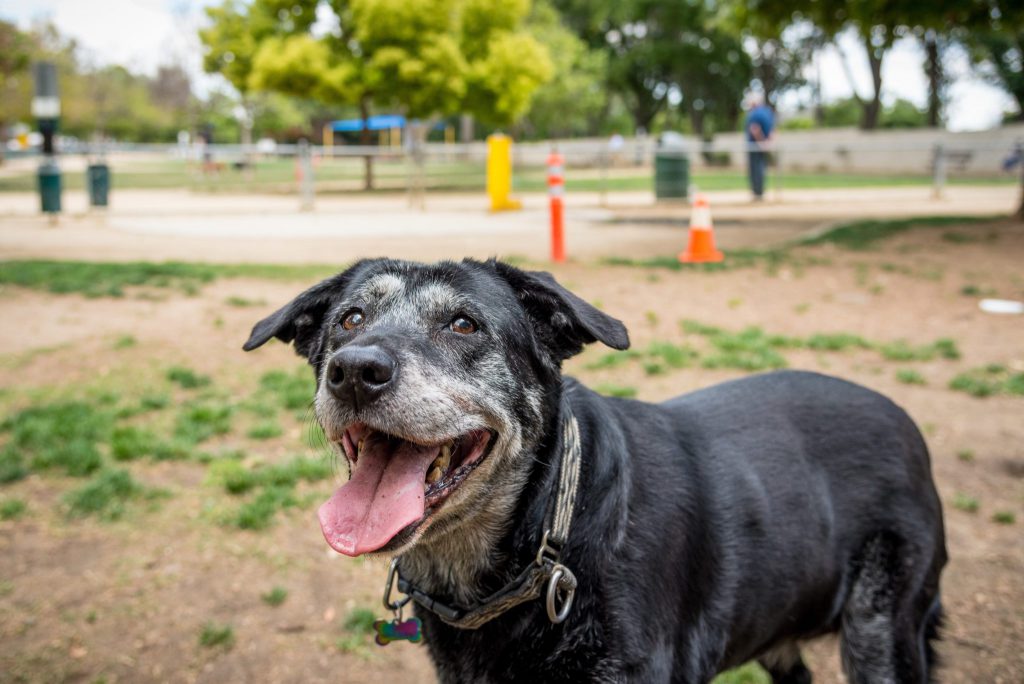
Ettinger, Stephen J, Edward C Feldman, Bauer, John E. “Nutraceuticals.” Textbook of Veterinary Internal Medicine, 6th ed., Saunders Elsevier, 2010.
Ettinger, Stephen J, Edward C Feldman, Matthews, Karol A. “Nonsteroidal Anti-Inflammatory Analgesics.” Textbook of Veterinary Internal Medicine, 6th ed., Saunders Elsevier, 2010.
“Other Drugs Used to Treat Pain.” Handbook of Veterinary Pain Management, by James S. Gaynor and William W. Muir, 2nd ed., Elsevier, 2015.
Ward, Ernie. “Pet Weight Check.” Association for Pet Obesity Prevention, 2017, petobesityprevention.org/pet-weight-check/
[/et_pb_text][/et_pb_column][/et_pb_row][et_pb_row _builder_version="3.0.72"][et_pb_column type="1_4" _builder_version="3.0.47" parallax="off" parallax_method="on"][et_pb_text _builder_version="3.0.72"] Hip & Joint Supplement
[/et_pb_text][et_pb_image src="https://vetnaturals.com/wp-content/uploads/2017/04/amazon-btn-150.png" url="https://www.amazon.com/Veterinary-Naturals-Hemp-Hips-Inflammation/dp/B01N2S774K/ref=lp_16740413011_1_1?srs=16740413011&ie=UTF8&qid=1506810789&sr=8-1" _builder_version="3.0.72"][/et_pb_image][/et_pb_column][et_pb_column type="1_4" _builder_version="3.0.47" parallax="off" parallax_method="on"][et_pb_text _builder_version="3.0.72"] Probiotic with Skin & Coat Supplement
[/et_pb_text][et_pb_image src="https://vetnaturals.com/wp-content/uploads/2017/04/amazon-btn-150.png" url="https://www.amazon.com/Veterinary-Naturals-Health-Probiotic-Supplement/dp/B06XTBV8SX" _builder_version="3.0.72"]

Many times, puppy parents don’t know that their dog has hip dysplasia until it is too late.
Hip dysplasia can happen in many breeds, including mixed breed “pound puppies.” Most notice a change in their dog while they are walking, running or trying to go up or down the stairs. The most common thing that is sees is “bunny hopping” or a “sway” in the hips when the dog walks – even before pain or limping begins.
If your dog has been diagnosed with hip dysplasia, you may want to learn more about your options. Here we will discuss several options in detail that your veterinarian may recommend. Each case is different, so be sure to work closely with your pet’s vet.

Regardless of how old your dog is, many treatments and “lifestyle changes” are available that can help most dogs with hip dysplasia.
1. Weight Management
Every dog that has been diagnosed with hip dysplasia can benefit from maintaining a healthy weight and body condition score. To learn more about your dog’s body condition score, please refer to this article.
If your dog is overweight or obese, take measures to reduce their weight, as this will alleviate the forces on their hip joints. Dogs with a normal body weight need to stay within their healthy weight range and maintain muscle with low-impact exercise – which we will talk about a little later. If you need help putting your dog on a weight management plan – talk to your veterinarian.
2. Joint Supplements
Almost every dog with hip dysplasia can benefit from taking joint supplements. Joint supplements are easily available “over-the-counter” – often online, in pet stores and in your veterinarian’s office.
It is important to select a joint supplement that contains beneficial ingredients – not every “joint supplement” is the same. The two most important ingredients are glucosamine and chondroitin sulfate. These are substances that nourish the cartilage in all joints. They help to provide the “cushion” and lubrication that is necessary to keep joints healthy and functioning. Joint supplements that only contain glucosamine and chondroitin sulfate typically help dogs with mild to moderate arthritis.
Dogs with more severe arthritis can still certainly benefit from these supplements. It is important to remember that the joint supplement won’t control their pain as well as if they were taking other medications or using other treatments.
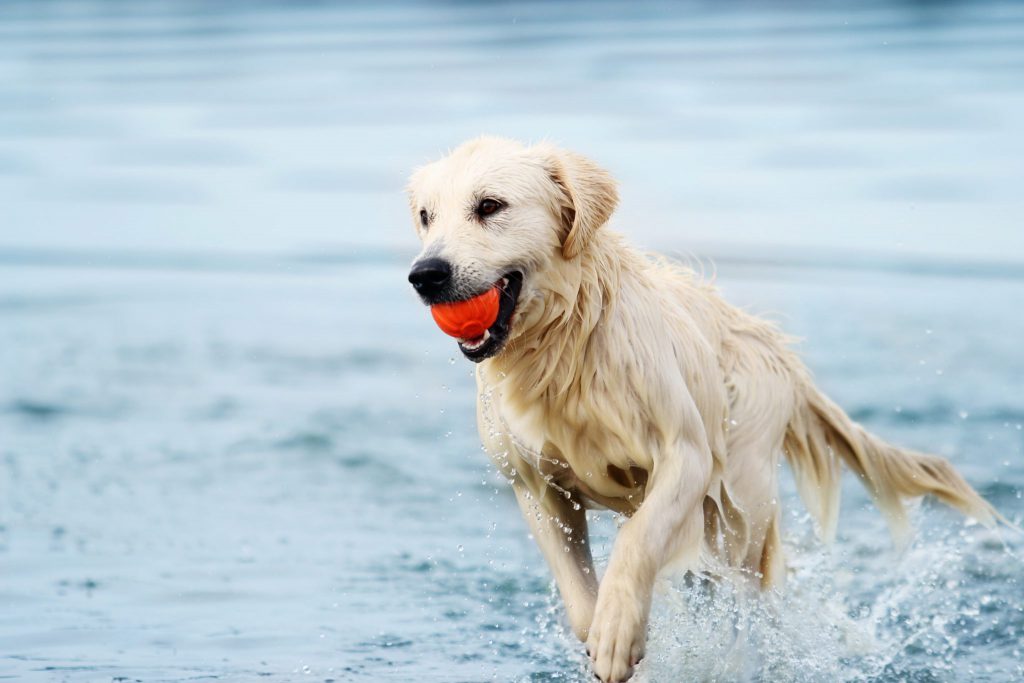
Omegas are fantastic for dogs of all ages. They have been shown to reduce inflammation all over the body, from joints to the heart. When selecting a joint supplement with glucosamine and chondroitin sulfate, look for a product with other beneficial ingredients, such as fish oil, krill oil, hemp oil, and flax seed oil. You will notice that your dog not only feels better, they look better too – omega-3 rich oils in the diet support skin health too – leaving them with a shiny, glossy coat.
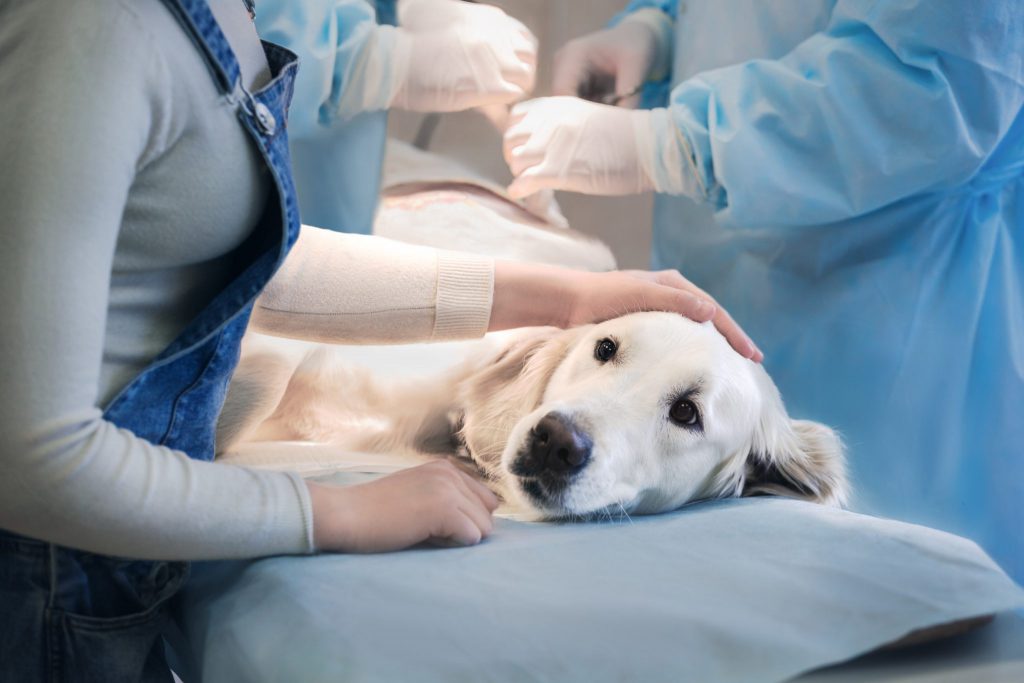
Young and middle-aged dogs are often treated for hip dysplasia with surgery. Many times, other treatments have been tried and have not provided relief. The most common procedures are juvenile pubis symphysiodesis (for puppies 12-16 weeks of age), triple pelvic osteotomy (TPO) (for puppies 5-12 months of age). Procedures for older dogs include total hip replacement and femoral head and neck ostectomy (FHNO). The FHNO is the most common procedure for those that cannot afford a total hip replacement. Talk to your veterinarian about which procedure is best for your dog’s situation. A referral to a surgeon may be necessary.
NSAIDs, or non-steroidal anti-inflammatories, are pain relievers that help your dog to feel better. Often, these are used in moderate to severe cases of hip dysplasia, when other treatment options aren’t available. NSAID therapy can exacerbate other conditions, so it is important to talk to your vet about the safest options.
Adequan is an injectable medication that helps to prevent cartilage breakdown. It is similar to the glucosamine in oral products, but works directly by preventing enzymes from breaking down cartilage. The downside to this mediation is cost and having to give injections. These injections can be given by your veterinarian or you can give them at home under your vet’s direction.

Physical therapy is a wonderful option for dogs with hip dysplasia – especially if they are good surgical candidates. PT can help reduce the recovery time from surgery and helps to keep muscle mass and tone healthy.
Dogs with hip dysplasia benefit from low-impact exercise, such as slow walking, swimming and range-of-motion exercises.
Acupuncture can greatly help to control the pain associated with hip dysplasia. Many general practitioners, pet physical therapists and even veterinary surgeons practice acupuncture and can set your dog up for routine care.
Hip & Joint Supplement
[/et_pb_text][et_pb_image src="https://vetnaturals.com/wp-content/uploads/2017/04/amazon-btn-150.png" url="https://www.amazon.com/Veterinary-Naturals-Hemp-Hips-Inflammation/dp/B01N2S774K/ref=lp_16740413011_1_1?srs=16740413011&ie=UTF8&qid=1506810789&sr=8-1" _builder_version="3.0.72" show_bottom_space="on" /][/et_pb_column][et_pb_column type="1_4"][et_pb_text _builder_version="3.0.72"]
Hip & Joint Supplement
[/et_pb_text][et_pb_image src="https://vetnaturals.com/wp-content/uploads/2017/04/chewy-btn-150.png" url="https://www.chewy.com/veterinary-naturals-hemp-hips/dp/152766" _builder_version="3.0.72" show_bottom_space="on" /][/et_pb_column][et_pb_column type="1_4"][et_pb_text _builder_version="3.0.72"]
Probiotic with Skin & Coat Supplement
[/et_pb_text][et_pb_image src="https://vetnaturals.com/wp-content/uploads/2017/04/amazon-btn-150.png" url="https://www.amazon.com/Veterinary-Naturals-Health-Probiotic-Supplement/dp/B06XTBV8SX" _builder_version="3.0.72" show_bottom_space="on" /][/et_pb_column][et_pb_column type="1_4"][et_pb_text _builder_version="3.0.72"]
Probiotic
[/et_pb_text][et_pb_image src="https://vetnaturals.com/wp-content/uploads/2017/04/chewy-btn-150.png" url="https://www.chewy.com/veterinary-naturals-hemp-health/dp/152768" _builder_version="3.0.72" show_bottom_space="on" /][/et_pb_column][/et_pb_row][/et_pb_section]
[et_pb_section bb_built="1" custom_padding="0px|0px|0px|0px" _builder_version="3.0.47"][et_pb_row custom_padding="27px|0px|0px|0px" _builder_version="3.0.72"][et_pb_column type="4_4"][et_pb_text _builder_version="3.0.72"]
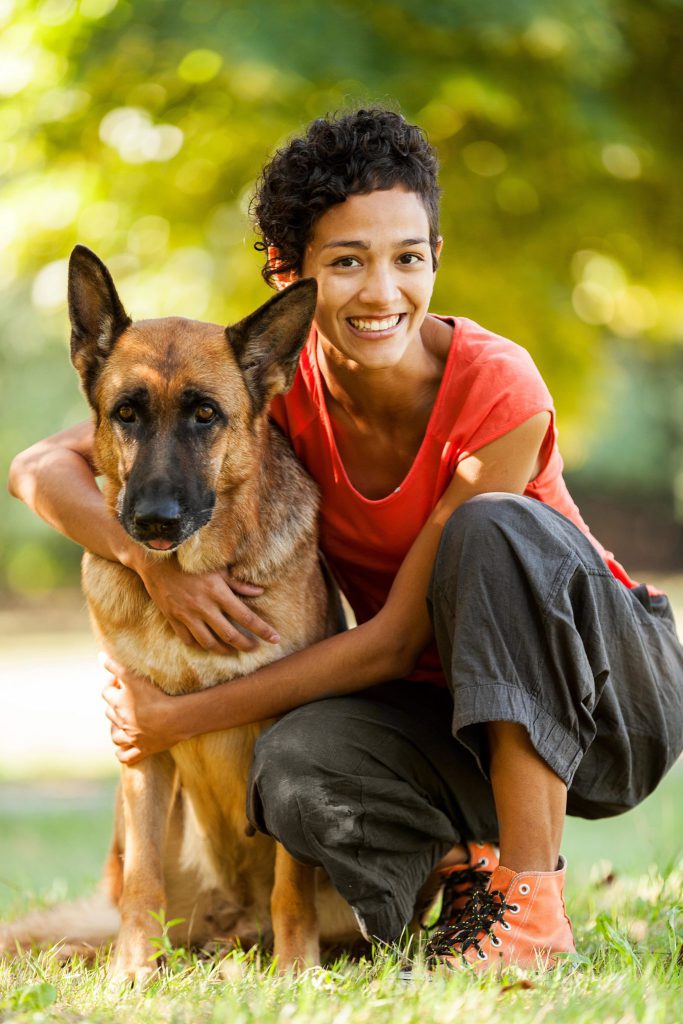
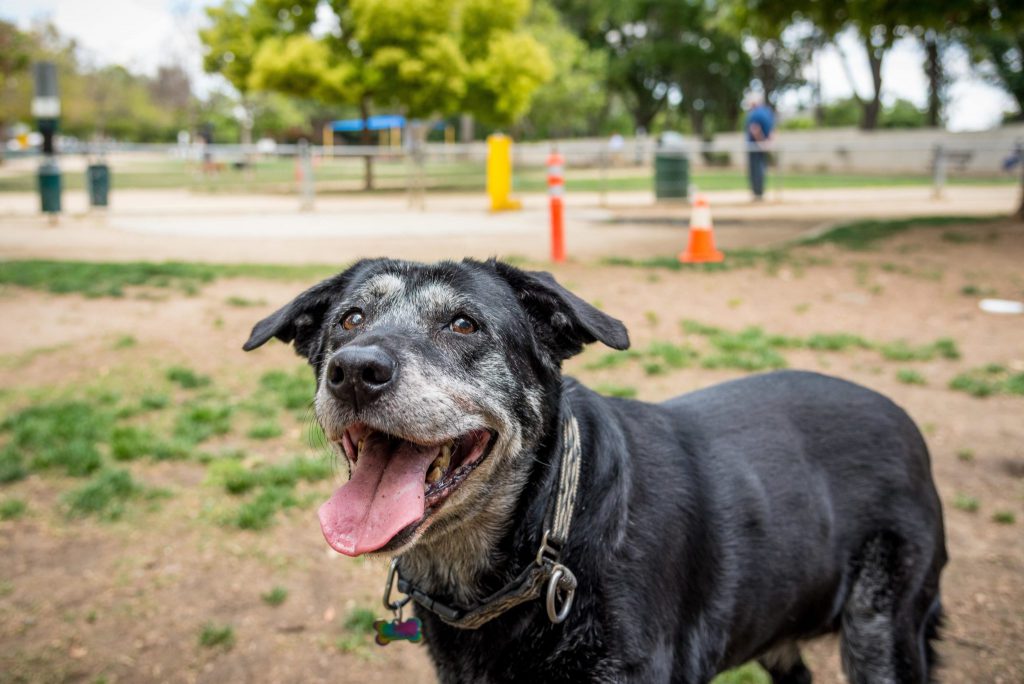
Age is just a number, right? In the veterinary world, it is unfortunate that 12 is not the new 2. Each dog is its own individual and some suffer fewer age-related issues than others. Some dogs age faster than others, depending on their breed. With the exception of a few giant breeds, like Great Danes, most dogs become geriatric, or ‘seniors’ when they are 8-10 years old. Great Danes become geriatric at 3-4 years of age.
Our furry friends are living longer than ever and chances are, your dog will reach ‘senior status’ sooner than you expect. If you are reading this and you have a puppy or a young adult dog – remember that preparing for senior care starts in puppyhood. Good nutrition, maintenance of normal body weight, routine wellness care and preparation for managing breed-associated disorders will go a long way in preparing your dog for their golden years.
We’ve compiled a brief list of things to start asking your veterinarian as your dog gets older.
A few questions to ask:
The American Animal Hospital Association (AAHA) recommends that senior dogs be seen for a physical examination every 6 months.
The reason for these recommendations is to catch early stages of age-related diseases, especially cancer. Changes can happen quickly with senior pets so, the more often they are examined by the veterinarian, the more likely that problems can be diagnosed early.
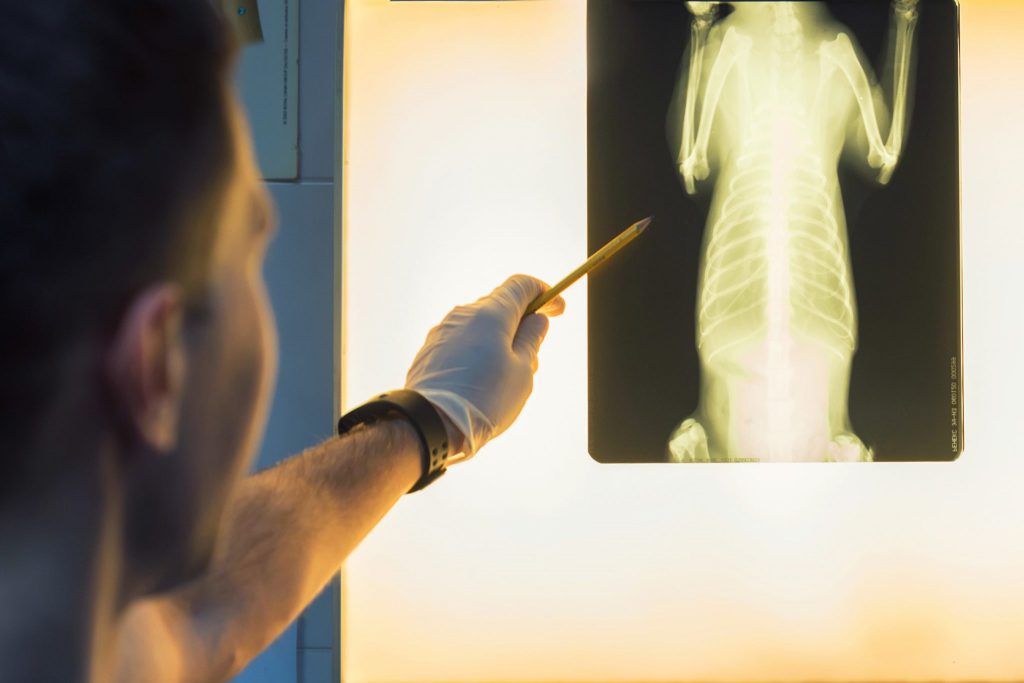
Each veterinarian has their own wellness program for seniors. Many of them have similar components – such as bloodwork. Bloodwork, specifically a CBC, serum chemistry and urinalysis should also be considered every 6-12 months for seniors. X-rays may also be needed to monitor specific conditions, but ask your vet if this is necessary for your pet.
[/et_pb_text][et_pb_image src="https://blog.vetnaturals.com/wp-content/uploads/2017/10/photo1.jpg" _builder_version="3.0.72" show_bottom_space="on"]
[/et_pb_image][et_pb_text _builder_version="3.0.72"]
Most veterinarians agree that dogs benefit from a “senior” life stage diet between 7 and 10 years of age. It is best to consider a diet that is high in antioxidants, omega-3 essential fatty acids and glucosamine/chondroitin sulfate. If your pet has few joint or skin issues, diets like these can help to support their systems as they age. Your veterinarian can recommend a reputable commercial diet.
Yes, they could. Senior dogs are more likely to suffer from cognitive dysfunction (“doggie dementia”) and osteoarthritis. Sometimes senior diets alone don’t contain enough to help improve mobility and support healthy skin and neuro health. Consider starting your pet on a supplement that contains therapeutic levels of glucosamine, chondroitin sulfate, omega-3 fatty acids and antioxidants. Ask your veterinarian about which type of supplement could help your dog and their particular conditions.
[/et_pb_text][et_pb_image src="https://blog.vetnaturals.com/wp-content/uploads/2017/10/photo2.jpg" _builder_version="3.0.72" show_bottom_space="on"]
[/et_pb_image][et_pb_text _builder_version="3.0.72"]
While joint supplements containing glucosamine and chondroitin sulfate can alone help to control pain in dogs with mild to moderate arthritis – sometimes arthritis severity worsens. Ask your veterinarian what can be done next. Many therapies are available out there to help manage pain and maintain overall health and mobility. Acupuncture, massage, physical therapy, swimming, and specific medications can help your older pet achieve better pain control.
Older dogs often have more advanced dental disease. While age alone isn’t a reason to not pursue dentistry – it is considered when making plans for anesthesia. The earlier you address dental disease, the fewer issues your pet will have as they age. Dogs that receive good dental care early in life will live 10-20% longer. Even if your pet is older, don’t despair – addressing their dental disease can still prolong their life and give them better quality of life. If you think your dog suffers from dental disease or oral pain, talk to your vet about what can be done.
[/et_pb_text][et_pb_image src="https://blog.vetnaturals.com/wp-content/uploads/2017/10/photo3.jpg" _builder_version="3.0.72" show_bottom_space="on"]
[/et_pb_image][et_pb_text _builder_version="3.0.72"]
Just like humans, as dogs age they can suffer from cognitive dysfunction – often called “doggie dementia.” As pets are living longer and longer – more are developing these disorders. If you are concerned that your senior is developing cognitive dysfunction or if you want to learn more, talk to your vet about treatment options.
[/et_pb_text][et_pb_image src="https://blog.vetnaturals.com/wp-content/uploads/2017/10/photo4.jpg" _builder_version="3.0.72" show_bottom_space="on"]
[/et_pb_image][/et_pb_column][/et_pb_row][et_pb_row custom_padding="68px|0px|0px|0px" _builder_version="3.0.72"][et_pb_column type="1_4"][et_pb_text _builder_version="3.0.72"]
Hip & Joint Supplement
[/et_pb_text][et_pb_image src="https://vetnaturals.com/wp-content/uploads/2017/04/amazon-btn-150.png" url="https://www.amazon.com/Veterinary-Naturals-Hemp-Hips-Inflammation/dp/B01N2S774K/ref=lp_16740413011_1_1?srs=16740413011&ie=UTF8&qid=1506810789&sr=8-1" url_new_window="on" _builder_version="3.0.72" show_bottom_space="on"]
[/et_pb_image][/et_pb_column][et_pb_column type="1_4"][et_pb_text _builder_version="3.0.72"]
Hip & Joint Supplement
[/et_pb_text][et_pb_image src="https://vetnaturals.com/wp-content/uploads/2017/04/chewy-btn-150.png" url="https://www.chewy.com/veterinary-naturals-hemp-hips/dp/152766" url_new_window="on" _builder_version="3.0.72" show_bottom_space="on"]
[/et_pb_image][/et_pb_column][et_pb_column type="1_4"][et_pb_text _builder_version="3.0.72"]
Probiotic with Skin & Coat Supplement
[/et_pb_text][et_pb_image src="https://vetnaturals.com/wp-content/uploads/2017/04/amazon-btn-150.png" url="https://www.amazon.com/Veterinary-Naturals-Health-Probiotic-Supplement/dp/B06XTBV8SX/ref=lp_16740413011_1_3?srs=16740413011&ie=UTF8&qid=1506811161&sr=8-3" url_new_window="on" _builder_version="3.0.72" show_bottom_space="on"]
[/et_pb_image][/et_pb_column][et_pb_column type="1_4"][et_pb_text _builder_version="3.0.72"]
Probiotic
[/et_pb_text][et_pb_image src="https://vetnaturals.com/wp-content/uploads/2017/04/chewy-btn-150.png" url="https://www.chewy.com/veterinary-naturals-hemp-health/dp/152768" url_new_window="on" _builder_version="3.0.72" custom_css_main_element="margin-top:-10px" show_bottom_space="on"]
[/et_pb_image][/et_pb_column][/et_pb_row][et_pb_row _builder_version="3.0.72"][et_pb_column type="4_4"][et_pb_image src="https://blog.vetnaturals.com/wp-content/uploads/2017/10/photo-on-top.jpg" _builder_version="3.0.72" show_bottom_space="on"]
[/et_pb_image][/et_pb_column][/et_pb_row][et_pb_row custom_padding="0px|0px|0px|0px" _builder_version="3.0.72"][et_pb_column type="4_4"][et_pb_text _builder_version="3.0.72"]
[/et_pb_text][/et_pb_column][/et_pb_row][/et_pb_section]
[et_pb_section bb_built="1" custom_padding="30px|0px|54px|0px" _builder_version="3.0.47"][et_pb_row custom_padding="0px|0px|27px|0px" _builder_version="3.0.69"][et_pb_column type="4_4"][et_pb_text _builder_version="3.0.69"]
Probiotics have been a healthy living mainstay for more than a decade. They have moved from the secluded recesses of the health food store to the aisles of your local 7-11. With probiotics becoming so common in human diets – what about dogs? We are looking to change that.
Probiotics are microbes that are beneficial to digestive health. Each animal species has their own special “blend” of microbes that keep the digestive tract healthy. Without some of these microbes, certain animals would not be able to survive. So how do you know if your dog could benefit from a probiotic?
1. Mild Tummy Troubles
The number one reason that dogs are put on probiotics is because of “tummy troubles.” If your dog has digestive issues, probiotics can help a great deal. Keeping your pup on a daily dose of probiotics can help prevent common digestive issues such as loose stool.
[/et_pb_text][/et_pb_column][/et_pb_row][et_pb_row _builder_version="3.0.69"][et_pb_column type="4_4"][et_pb_image src="https://blog.vetnaturals.com/wp-content/uploads/2017/09/photo-1.jpg" _builder_version="3.0.69" animation_style="slide" animation_direction="left" animation_duration="500ms" animation_intensity_slide="10%" show_bottom_space="on"]
[/et_pb_image][et_pb_text _builder_version="3.0.69"]
Many things can stress or damage the digestive tract in dogs, from medications to parasites to viruses.
Anything that damages the lining of the intestines can lead to a condition called “leaky gut syndrome” – an issue where things cross from the bowel into the bloodstream that shouldn’t. Often when this happens, the immune system is stimulated and the normal “good” microflora of the gut is affected. Oral probiotic supplements can help to boost the population of normal microbes, returning the bowel to a better state of health.
Probiotic bacteria specifically reduce inflammation, feed mucosal cells, support normal immune response to antigens and ‘run out’ disease-causing organisms from the bowel.
[/et_pb_text][et_pb_image src="https://blog.vetnaturals.com/wp-content/uploads/2017/09/photo-2.jpg" _builder_version="3.0.69" animation_style="slide" animation_direction="left" animation_duration="500ms" animation_intensity_slide="10%" show_bottom_space="on"]
[/et_pb_image][et_pb_text _builder_version="3.0.69"]
Many dogs that have itchy skin suffer from atopic dermatitis. In dogs and humans alike, regular, long-term probiotic use can cause an improvement in symptoms. With many cases of atopic dermatitis, skin infections are common. Dogs with atopy tend to go on and off antibiotics frequently to control skin infections. Giving probiotics at the same time as antibiotics may help to improve the immune system and reduce future antibiotic use.3 If you are interested in trying probiotics for your atopic dog, ask your veterinarian for specific advice.
[/et_pb_text][et_pb_image src="https://blog.vetnaturals.com/wp-content/uploads/2017/09/photo-4.jpg" _builder_version="3.0.69" animation_style="slide" animation_direction="left" animation_duration="500ms" animation_intensity_slide="10%" show_bottom_space="on"]
[/et_pb_image][et_pb_text _builder_version="3.0.69"]
If your dog is healthy and has zero health issues, probiotics can still benefit him. A great amount of the immune system (called gut-associated lymphoid tissue or GALT) is housed in the gastrointestinal tract, so gut health is tightly connected to overall immune health in the dog.2
Experts also believe that probiotics contribute to the healthy development of the immune system from infancy. As mentioned previously, probiotics help to maintain balance in the digestive tract. A steady stream of “good bugs” in the diet starting in puppyhood acts as a preventative against disease in many body systems.
Probiotics have been shown to improve immune function in dogs with a variety of immune system problems, such as IMHA (immune-mediated hemolytic anemia) and IBD (inflammatory bowel disease).3 Each case is different and not every probiotic ‘blend’ on the market is the same. Talk to your veterinarian about which probiotic is best for your dog’s specific condition.
[/et_pb_text][et_pb_image src="https://blog.vetnaturals.com/wp-content/uploads/2017/09/photo3.jpg" _builder_version="3.0.69" animation_style="slide" animation_direction="left" animation_duration="500ms" animation_intensity_slide="10%" show_bottom_space="on"]
[/et_pb_image][et_pb_text _builder_version="3.0.69"]
You can buy our vet prescribed probiotic here :
[/et_pb_text][et_pb_image src="https://vetnaturals.com/wp-content/uploads/2017/04/amazon-btn-150.png" url="https://www.amazon.com/Veterinary-Naturals-Health-Probiotic-Supplement/dp/B06XTBV8SX/ref=lp_16740413011_1_3?srs=16740413011&ie=UTF8&qid=1505156776&sr=8-3" url_new_window="on" _builder_version="3.0.47" animation_style="slide" animation_direction="left" animation_duration="500ms" animation_intensity_slide="10%" saved_tabs="all" show_bottom_space="on"]
[/et_pb_image][et_pb_image src="https://vetnaturals.com/wp-content/uploads/2017/04/chewy-btn-150.png" url="https://www.chewy.com/veterinary-naturals-hemp-health/dp/152768" url_new_window="on" _builder_version="3.0.69" animation_style="slide" animation_direction="left" animation_duration="500ms" animation_intensity_slide="10%" show_bottom_space="on"]
[/et_pb_image][et_pb_image _builder_version="3.0.69" animation_style="slide" animation_direction="left" animation_duration="500ms" animation_intensity_slide="10%" show_bottom_space="on"]
[/et_pb_image][/et_pb_column][/et_pb_row][et_pb_row _builder_version="3.0.69"][et_pb_column type="4_4"][et_pb_text _builder_version="3.0.69"]
[/et_pb_text][/et_pb_column][/et_pb_row][/et_pb_section]