


Why Is Choosing a Fish Oil Supplement So Confusing?
If you’ve ever stood in the pet supplement aisle, you know the feeling. The wall of bottles, bags, and chews can be overwhelming. Dozens of products claim to be the best, all featuring happy dogs on their labels. This confusion often leads to inaction or, worse, a poor choice that doesn't deliver the results you're hoping for. Many well-meaning pet parents find themselves stuck, questioning what’s real and what’s just clever marketing.
A common mistake is thinking that any fish oil will do the job. Some owners might grab a bottle of human-grade fish oil capsules from the pharmacy, assuming it’s a safe and effective shortcut. The thinking is understandable: "If it's good for me, it must be good for my dog." Unfortunately, this often leads to disappointment. When weeks go by with no noticeable improvement in their dog's itchy skin or stiff gait, it’s easy to conclude that fish oil simply "doesn't work."
These issues matter because they stand in the way of your dog getting real relief. Choosing an ineffective product isn't just a waste of money—it's a missed opportunity to improve your dog's quality of life. The problem usually isn't the fish oil itself, but the specific formulation. Key factors like the concentration of EPA and DHA (the active ingredients in fish oil), the sourcing and purity of the oil, and the dosage are all critically important for dogs. Without the right balance, you won’t see the benefits, which can leave you feeling frustrated and your dog still uncomfortable. The good news is, with a little clear guidance, you can easily navigate these challenges and find a solution that truly works.
Its power comes from two omega-3 fatty acids, EPA and DHA, which dogs cannot produce efficiently on their own.
Fish oil is proven to help with joint comfort, heart health, brain function, and the immune system by reducing inflammation.
Human-grade fish oil is not ideal for dogs. Always choose a product specifically formulated for canine needs to ensure the correct dosage, purity, and effectiveness.
What Are Omega-3s and Why Do Dogs Need Them?
To understand why fish oil is so effective, we need to look at two key ingredients: EPA (eicosapentaenoic acid) and DHA (docosahexaenoic acid). These are long-chain omega-3 fatty acids, and they are essential for your dog’s health. Think of them as the skilled maintenance crew for your dog’s body—they travel to different systems and help keep everything running smoothly by controlling inflammation.
While dogs can technically create tiny amounts of EPA and DHA from other fats, the process is extremely inefficient. They can't make nearly enough to provide a therapeutic benefit, which is why they need to get these omega-3s from their diet or a supplement. This is where high-quality fish oil comes in. It's one of the richest and most direct sources of the EPA and DHA your dog's body is craving.
What Are the Top Benefits of Fish Oil for Dogs?
The anti-inflammatory properties of EPA and DHA have a positive, system-wide effect on your dog’s body. Here are the most common and visible ways a daily fish oil supplement can help your dog feel better.
Eases Joint Stiffness and Supports Mobility
If your dog is getting older or is a breed prone to joint issues, you may notice them slowing down, hesitating before jumping, or struggling to get up after a nap. This stiffness is often caused by inflammation in the joints. Fish oil directly targets this underlying issue.
- Reduces inflammation: EPA is particularly effective at decreasing the production of inflammatory molecules that cause joint pain and cartilage degradation.
- Supports daily comfort: By easing inflammation, fish oil can help make daily activities like walking, climbing stairs, and playing more comfortable again.
- Works well with others: Fish oil is a great foundational supplement that can be used alongside other joint support ingredients like glucosamine and chondroitin for comprehensive care.
Soothes Itchy Skin and Promotes a Healthy Coat
Is your dog constantly scratching, licking their paws, or suffering from dry, flaky skin? These are often signs of allergies or skin inflammation. Omega-3s work to strengthen the skin barrier from the inside.
- Strengthens the skin barrier: A stronger barrier helps lock in moisture and protect against environmental allergens like pollen and dust mites.
- Reduces allergic reactions: By calming the body's inflammatory response, omega-3s can decrease the intensity of allergic skin reactions, leading to less itching and redness.
- Improves coat quality: A healthy, well-nourished skin barrier is the foundation for a soft, shiny coat.

Supports a Healthy Heart and Immune System
The benefits of fish oil go beyond what you can see. Omega-3s play a vital role in supporting cardiovascular health and maintaining a balanced immune system. According to the American Kennel Club, fish oil can help support your dog's heart by lowering blood pressure and triglycerides.
- Promotes cardiovascular function: EPA and DHA help maintain a healthy heart rate and support overall circulatory health.
- Balances the immune system: Omega-3s help regulate the immune system, ensuring it responds appropriately to threats without overreacting and causing chronic inflammation.
Boosts Cognitive Function
DHA is a major structural component of the brain and is crucial for nervous system development and maintenance. This makes it essential for dogs at every stage of life.
- Aids puppy development: DHA is critical for proper brain and eye development in growing puppies.
- Supports senior minds: In older dogs, supplementing with DHA has been shown to help with cognitive function, supporting memory and trainability as they age.
What Qualities Matter Most in a Canine Fish Oil Supplement?
Now that you know the powerful benefits, it's clear why choosing the *right* supplement is so important. To avoid the common pitfalls, you need to know what to look for. Here are the key qualities that separate a high-impact fish oil supplement from an ineffective one.
- Potent Levels of EPA & DHA
- Sourced for Purity and Safety
- The Right Form for Absorption
- Vet-Formulated for Dogs
Potent Levels of EPA & DHA
The effectiveness of a fish oil supplement comes down to the concentration of its active ingredients. A product might contain a lot of "fish oil," but if the levels of EPA and DHA are low, it won't provide a therapeutic benefit. Check the "Guaranteed Analysis" on the label for the specific milligram (mg) amounts of EPA and DHA per serving, not just the total amount of fish oil.
Sourced for Purity and Safety
The source of the fish oil matters. Ideally, it should come from small, cold-water fish like sardines, anchovies, and mackerel. These fish have shorter lifespans and are lower on the food chain, so they accumulate fewer heavy metals and toxins like mercury. Look for products that are third-party tested for purity to ensure they are free from harmful contaminants.
The Right Form for Absorption
Fish oil comes in two main forms: the natural triglyceride form and the synthetic ethyl ester form. The natural triglyceride form is what's found in fish and is more stable and easier for your dog’s body to absorb and use. While the ethyl ester form is often cheaper to produce, it is not as bioavailable. Always opt for the natural triglyceride form for the best results.
Vet-Formulated for Dogs
This is perhaps the most important quality. A product formulated by veterinarians is designed with a dog's specific physiology in mind. This ensures the dosage of EPA and DHA is correct for their size and weight, avoids harmful additives often found in human supplements (like xylitol), and includes other beneficial, dog-safe ingredients.
| Feature | Human Fish Oil | Vet-Formulated Canine Fish Oil |
|---|---|---|
| Dosage & Ratio | Formulated for human body weight; EPA/DHA ratio may not be optimal for dogs. | Specifically dosed for canine weight ranges with a ratio tailored to their needs. |
| Added Ingredients | May contain flavorings, essential oils, or sweeteners (like xylitol) that are toxic to dogs. | Includes only dog-safe ingredients. Often comes in a palatable chew or liquid. |
| Purity & Sourcing | Variable. May not be tested to the same standards for pets. | High-quality formulas are third-party tested for heavy metals and contaminants. |
| Delivery Method | Usually large gel capsules that can be difficult to give to a dog. | Designed for easy administration, like a soft chew your dog sees as a treat. |
A Simple, Trustworthy Way to Give Your Dog Daily Support
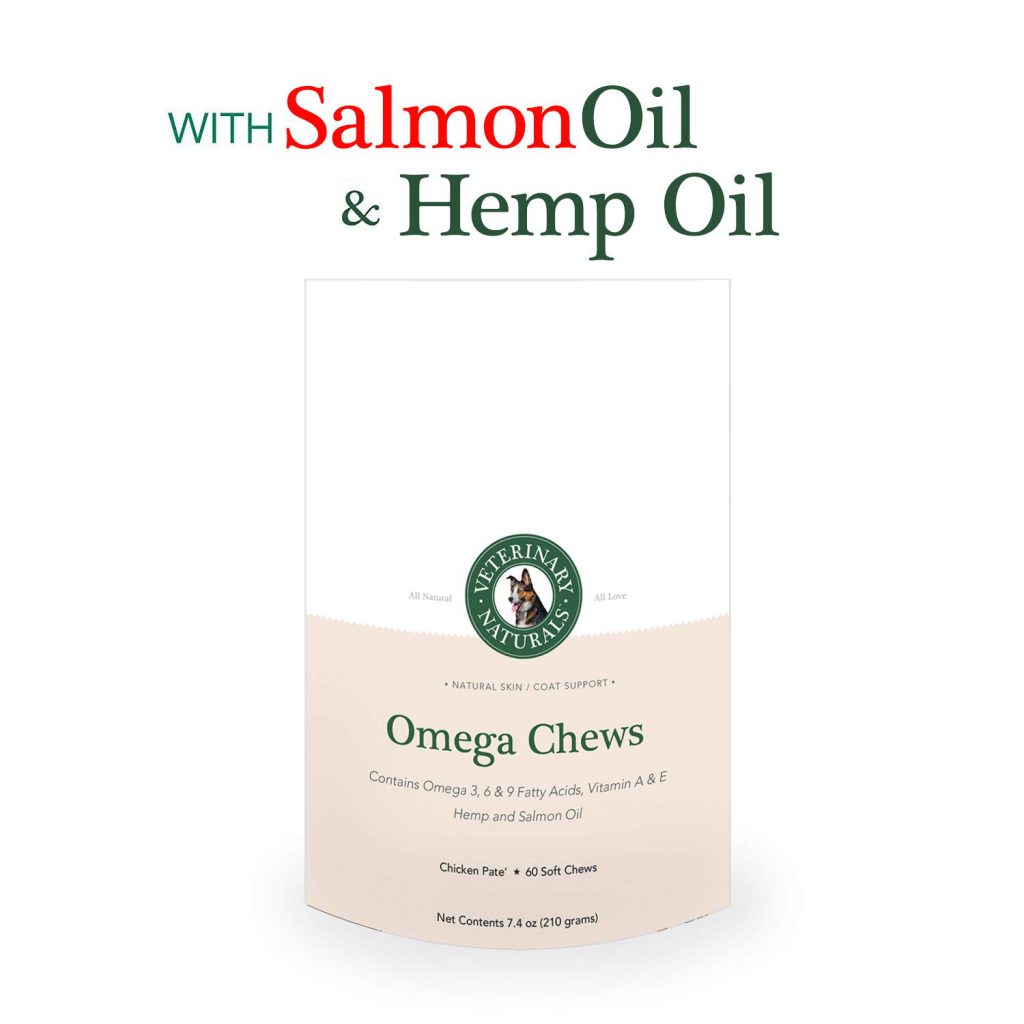
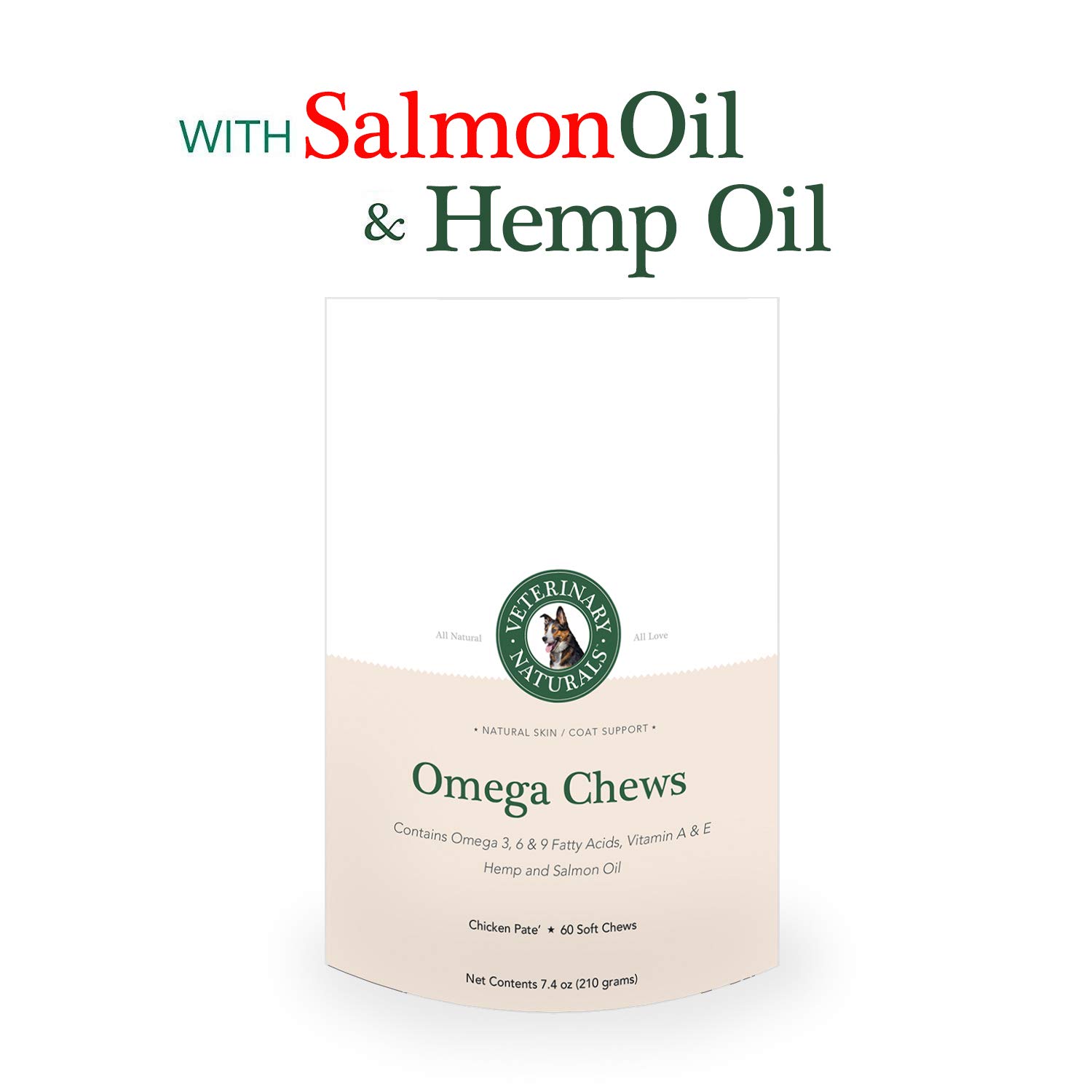
Now that you know exactly what to look for in a fish oil supplement, finding the right one doesn't have to be a stressful search. You just need a product that checks all the boxes: effective, safe, and easy to give. That's why we created Vet Naturals Omega Chews.
We wanted to provide a simple solution for pet parents who were tired of the confusion and just wanted something that works. Our Omega Chews are vet-formulated to deliver a potent dose of EPA and DHA from pure, wild-caught fish oil in the natural triglyceride form your dog can actually absorb. We took care of all the science so you can focus on the results—like seeing your dog enjoy walks more, scratch less, and have that healthy, shiny coat you love.
Many pet parents tell us, "My dog loves it," and "It's so easy to use." That's because we put the effective ingredients into a tasty soft chew that dogs think is a treat. There's no more struggling with messy oils or trying to hide capsules in food. Just a simple, daily routine that supports your dog's health and gives you peace of mind. It’s the straightforward, effective support you’ve been looking for.
Recommended Product: Vet Naturals Omega Chews
Simple Daily Support for Skin, Coat, and Joints
Give your dog the benefits of high-quality fish oil without the fuss. Our tasty soft chews provide a potent, vet-formulated dose of omega-3s to soothe itchy skin and support comfortable movement.
- Vet-Formulated: Designed specifically for a dog's needs, ensuring safety and effectiveness.
- High-Potency Omega-3s: Delivers effective levels of EPA and DHA to reduce inflammation.
- Easy-to-Give Chew: A tasty treat that makes daily supplementation simple and enjoyable for your dog.
"I was hesitant after trying other supplements, but these Omega Chews made a real difference. Our walks are longer, and he's not scratching all night. Finally, something that works and is so easy to give!"
– Sarah P., Verified Buyer
Your Partner in Your Pet's Health
Making decisions about your dog’s health can feel heavy, but you don’t have to do it alone. The science is clear: a high-quality fish oil supplement is one of the single best things you can add to your dog's routine for long-term health and comfort. It addresses the root cause of many common issues—inflammation—to help with everything from mobility to skin health.
By choosing a vet-formulated product like Vet Naturals Omega Chews, you can be confident you’re giving your dog a safe, effective, and easy-to-administer supplement. You're not just buying a product; you're investing in more comfortable mornings, happier walks, and calmer nights. You’re taking a simple step that can make a huge difference in their daily life, and there’s no better feeling than knowing you're helping them feel their best.
Check out our other blog for more information. Glucosamine for Dogs: What is it, and Does it Work?