

You're not alone in this. Many dedicated dog owners face the same questions. The answer might be simpler than you think and could be hiding in a common nutrient imbalance. That's where salmon oil for dogs comes in. Rich in powerful Omega-3 fatty acids known as EPA and DHA, salmon oil is one of the most effective supplements for supporting your dog's skin, coat, joints, and overall vitality. While many believe their dog's food has it all covered, the reality is often quite different.
In this guide, we’ll walk you through why this imbalance happens, how Omega-3s work to bring things back to harmony, and what to look for in a high-quality supplement. We'll give you clear, simple information to help you make a confident choice, so you can stop worrying and start seeing your dog feel their absolute best again.
Why Does My Dog Still Seem Uncomfortable?
It’s a frustrating feeling. You’re buying food with "complete and balanced" on the label, yet your dog is constantly scratching, has a dry, flaky coat, or isn't as eager to jump on the couch as they once were. You might start a cycle of switching foods or trying different shampoos, hoping something will finally work. This often happens because of a hidden imbalance between two types of essential fats: Omega-6 and Omega-3.
Think of it like a see-saw. For your dog to feel their best, the see-saw needs to be level. Most commercial dog foods, even high-quality ones, are very rich in Omega-6 fatty acids. While Omega-6s are necessary, they are also pro-inflammatory. When there are too many of them and not enough Omega-3s, the see-saw gets stuck on one side. This can lead to a state of low-grade, chronic inflammation throughout your dog’s body.
This imbalance is the quiet source of many common issues:
- Dull, Brittle Fur: A shiny coat is a sign of good health. An imbalance can prevent the skin from producing the natural oils that keep fur soft and glossy.
- Persistent Itching and Scratching: Inflammation in the skin can lead to constant discomfort, causing your dog to lick, chew, and scratch for relief.
- Stiff or Sore Joints: Just like a squeaky hinge needs oil, your dog's joints need the right nutrients to stay lubricated and move smoothly. Inflammation can make movement uncomfortable.
- Low Energy Levels: When a dog's body is constantly fighting inflammation, it can drain their energy, leaving them more sluggish than usual.
Another challenge is the confusion around supplements. Some pet parents are skeptical after trying products that made big promises but delivered no results. Others find the idea of pouring messy, smelly fish oil on their dog's food unappealing—especially if they have a picky eater. These roadblocks matter because they prevent dogs from getting the simple support they need to feel truly comfortable and happy.
How Do Omega-3s Actually Work for Dogs?
So, we know there's an imbalance. But how does adding salmon oil fix it? The magic lies in two specific types of Omega-3 fatty acids that are abundant in cold-water fish: EPA (eicosapentaenoic acid) and DHA (docosahexaenoic acid). These aren't just generic fats; they have very specific and important jobs in your dog's body.
Let's give them job titles to make it easier:
- EPA is the "Sootothing Firefighter." Its primary role is to combat inflammation. When your dog's Omega-6 levels are too high, it's like small fires of inflammation are popping up in their skin, joints, and organs. EPA arrives on the scene to help put them out, providing relief from itchiness and soothing stiff joints.
- DHA is the "Brain and Body Builder." It is a crucial structural component of the brain, eyes, and central nervous system. For puppies, DHA is vital for healthy development. For senior dogs, it helps support cognitive function, keeping their minds sharp as they age.
Dogs cannot produce these two essential fatty acids on their own in any meaningful amount. They must get them from their diet. While some dog foods and supplements use plant-based Omega-3s from sources like flaxseed, there's a problem. Plant sources contain a different Omega-3 called ALA, which dogs' bodies are very inefficient at converting into the usable EPA and DHA. It's like giving them a cookbook in a different language—they can't really use it.
That's why marine sources are so important. Giving your dog salmon oil is like delivering the ready-to-use EPA and DHA directly where they're needed. The American Kennel Club notes that fish oil can help reduce inflammation, promote a silky coat, and even support cardiovascular health.
| Feature | Marine-Based Omega-3 (Salmon Oil) | Plant-Based Omega-3 (Flaxseed Oil) |
|---|---|---|
| Primary Fatty Acids | Provides direct EPA and DHA | Provides ALA |
| Usability for Dogs | Excellent. Immediately available for the body to use. | Poor. Dogs convert less than 15% of ALA into usable EPA/DHA. |
| Primary Benefits | Strong anti-inflammatory, supports skin, coat, joints, brain, and heart. | Primarily a source of fiber; limited anti-inflammatory benefits. |
What Qualities Should I Look For in a Salmon Oil Supplement?
Not all salmon oil supplements are created equal. To ensure you're giving your dog a safe and effective product that will deliver real results, here are a few key qualities to look for.
- Source: Wild-Caught Fish is Best
- Purity: Free from Heavy Metals and Toxins
- Potency: Clear EPA & DHA Levels
- Form: Easy to Give (No Mess, No Fuss)
- Freshness: Protected from Going Rancid
Source: Wild-Caught Fish is Best
The source of the oil matters. Wild-caught salmon, like that from the cold waters of Alaska, tends to have a higher concentration of Omega-3s and a better fatty acid profile compared to farm-raised salmon. Look for products that are transparent about where their fish comes from.
Purity: Free from Heavy Metals and Toxins
Since fish can absorb toxins like mercury, lead, and PCBs from the water, it's crucial to choose an oil that has been purified. A trustworthy brand will use molecular distillation or a similar process to remove these harmful contaminants, ensuring the final product is safe for your dog to consume daily.
Potency: Clear EPA & DHA Levels
Don't be swayed by a big number for "total fish oil." The most important numbers are the specific amounts of EPA and DHA. A quality supplement will clearly state these values on the label in a "Guaranteed Analysis." This tells you exactly how much of the good stuff your dog is getting in each serving.
Form: Easy to Give (No Mess, No Fuss)
Liquid salmon oil can be a hassle. Pumps can be messy, the oil has a strong smell that can linger in your kitchen, and many dogs simply don't like the taste or texture on their food. A soft chew format is often a much better option. It's a simple, pre-dosed "treat" that most dogs love, eliminating the mess and the struggle.
Freshness: Protected from Going Rancid
Omega-3 fatty acids are delicate and can oxidize (go rancid) when exposed to air, light, or heat. Rancid oil is not only ineffective but can be harmful. Soft chews have an advantage here, as the oil is protected within the chew itself. Always check for a natural preservative, like Vitamin E (tocopherols), to ensure freshness.
A Simpler, Cleaner Way to Give Your Dog Daily Omega-3s
Understanding the science is one thing, but putting it into practice in a way that fits your real life is another. The mess of liquid pumps, the strong fishy smell, and the challenge of a picky eater can make giving salmon oil feel like a chore. At Vet Naturals, we knew there had to be a better way.
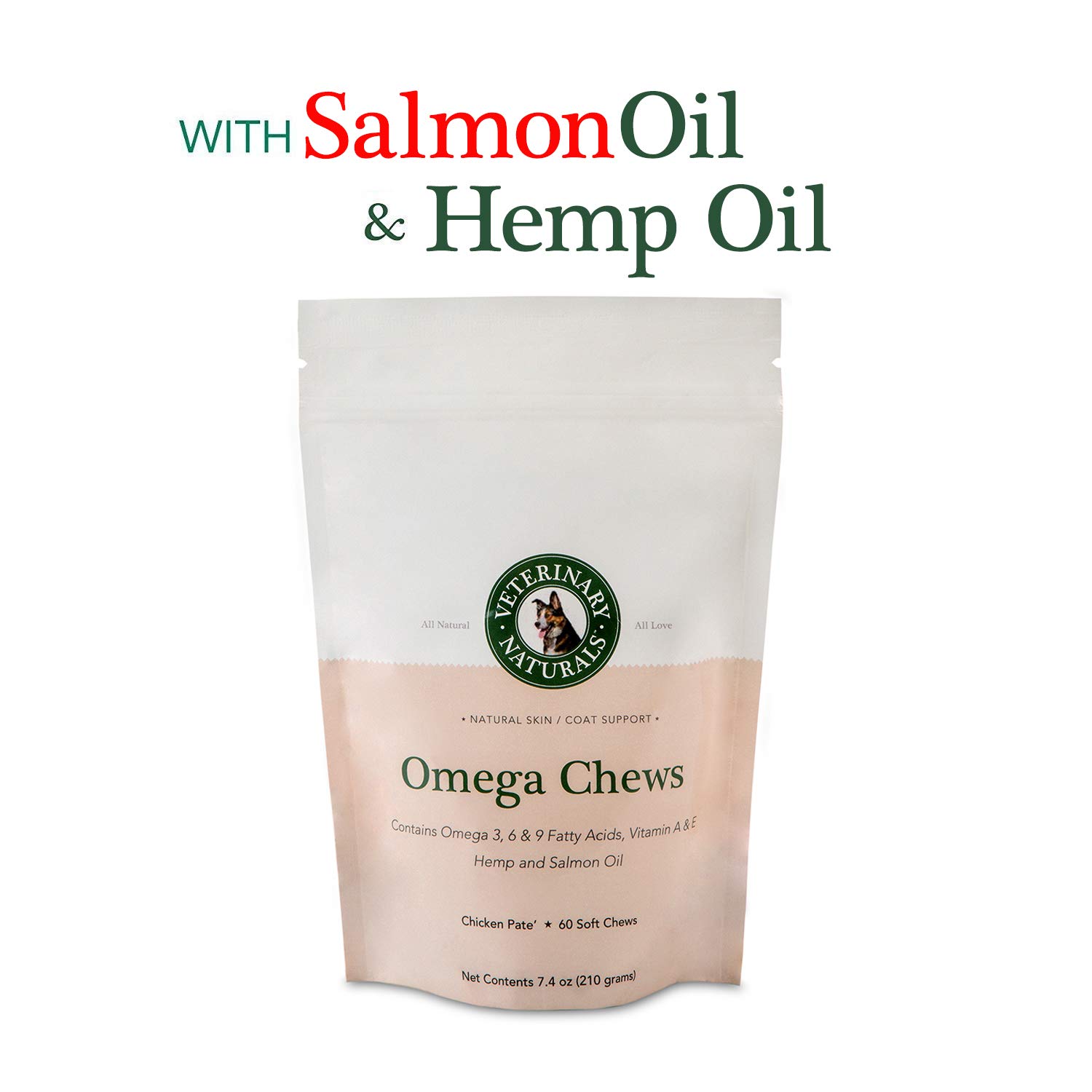
That’s why we created our Omega Chews. They were designed by a veterinarian to provide all the powerful benefits of salmon oil in a simple, no-mess, tasty treat. We wanted to take the guesswork and the hassle out of supporting your dog's health.
Here’s how our Omega Chews address the key challenges and deliver the quality your dog deserves:
- Premium Source: We use oil derived from Wild Alaskan Salmon, prized for its high concentration of pure EPA and DHA. This ensures your dog gets potent, effective Omega-3s in every bite.
- Vet-Formulated for Purity and Safety: Our formula was developed with a vet's expertise to ensure the right balance of nutrients. Our chews are made in the USA in a GMP-certified facility, so you can trust they are safe and held to the highest quality standards.
- The No-Mess Solution: Forget sticky bottles and smelly kitchens. Our soft chews are easy to give and delicious. Most dogs see them as a high-value treat, not a supplement. As one customer told us, "My dog starts wagging his tail as soon as he sees the jar come out. He has no idea it's good for him!"
- Guaranteed Potency: We provide a guaranteed analysis right on the label, so you know exactly how much inflammation-fighting EPA and brain-supporting DHA your dog gets in each chew. No vague claims, just clear, honest information.
With Vet Naturals Omega Chews, you're not just buying a supplement; you're getting a simple, trustworthy way to help your dog feel their best. It's the daily support that helps bring their body back into balance, leading to that shiny coat, comfortable movement, and happy energy you love to see.
Recommended Product: Vet Naturals Omega Chews
Support a Healthy Coat & Comfortable Joints
Give your dog the benefits of wild salmon oil without the mess. These delicious, vet-formulated chews make daily support easy and enjoyable.
- Wild Alaskan Salmon Oil: A potent, clean source of EPA & DHA.
- Promotes Skin Health: Helps soothe itchiness and promotes a soft, shiny coat.
- Supports Joint Mobility: Eases inflammation to support comfortable movement.
What Real Pet Parents Are Saying
"I noticed a huge difference in my Golden's coat in just a few weeks. He's less itchy and so much softer. Plus, he gets excited for his 'treat' every morning! I wish I had found these sooner. Finally, something that works and is so easy to use."
- Sarah P., Verified Buyer
Your Partner in Your Dog's Wellness
Choosing to add a supplement to your dog's routine is an act of love. It’s a commitment to their long-term health and daily comfort. By understanding the critical role of Omega-3s, you're already taking a huge step toward providing proactive care. The simple act of balancing their diet with a high-quality source of EPA and DHA can make a world of difference in their quality of life.
You no longer have to guess or cycle through endless products. With a vet-formulated supplement like Vet Naturals Omega Chews, you can feel confident that you're giving your dog clean, effective support derived from one of nature's best sources: Wild Alaskan Salmon.
The goal is simple: more happy years together, with more comfortable walks, more playful afternoons, and more soft fur to cuddle. A small daily chew is an easy way to help make that happen. When you give your dog the targeted support they need, you're not just easing their discomfort—you're giving yourself peace of mind, knowing you're doing everything you can to help them live a full, vibrant life by your side.
Check out our other blog for more information. Why Is My Dog So Itchy? Common Causes and Natural Remedies