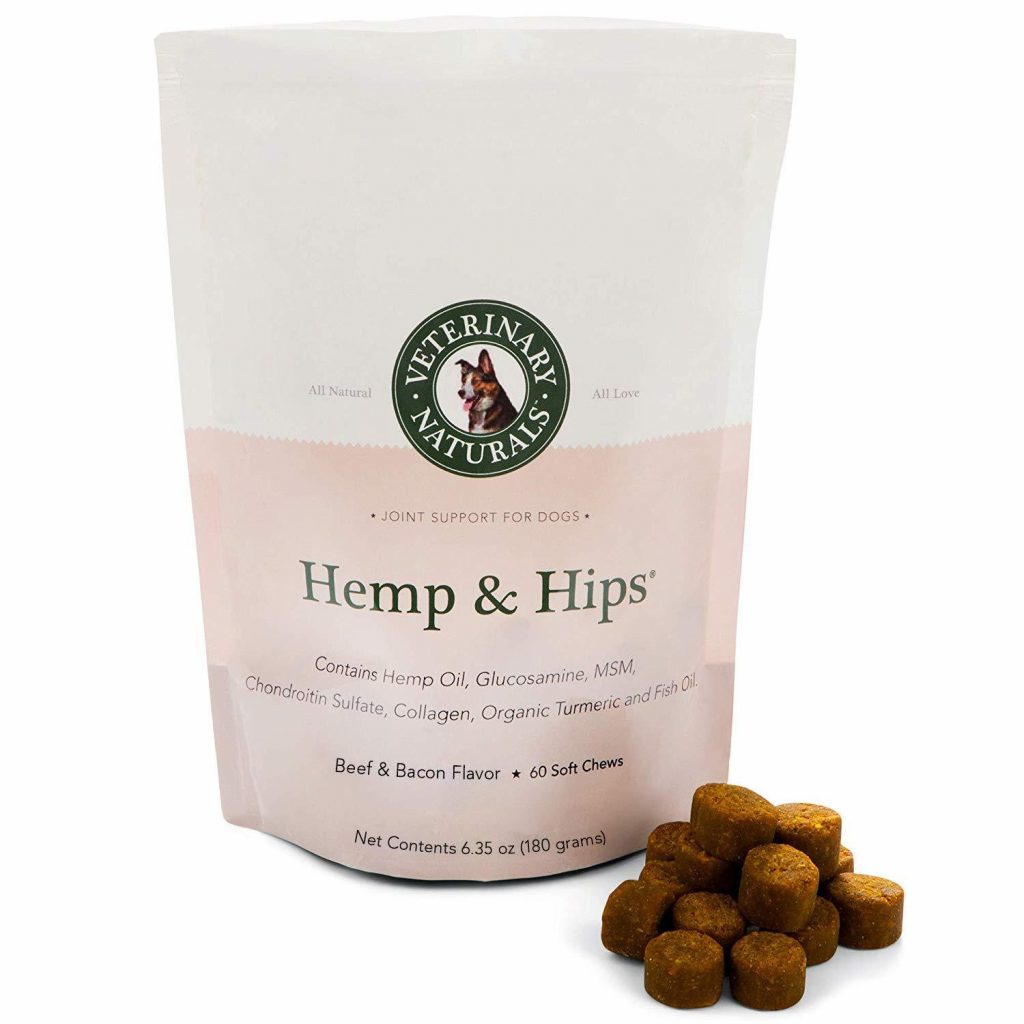
Vet Naturals Hemp + Hips — Vet-formulated daily support for your dog's joint health and comfort.





As a loving pet parent, noticing your dog slow down can be heartbreaking. The hesitation before a jump, the stiffness after a nap, or the shorter, more careful walks—it’s a quiet change that speaks volumes about their comfort. You start searching for answers, and one word comes up again and again: glucosamine. This leads to the all-important question, "How much glucosamine does my dog need?" Getting the dosage right is more than just a number; it’s about providing effective, long-term support for your dog's joints and giving them back their joyful, active life.
Many owners feel overwhelmed by conflicting information online. Some sources recommend a low dose, while others suggest much higher amounts, leaving you stuck in a cycle of worry and uncertainty. Is it enough? Is it too much? The confusion is real, and your dog’s well-being hangs in the balance.This guide is here to clear things up. We’ll walk you through the essentials of glucosamine in plain language, explaining how to determine the right amount for your dog based on their weight, age, and even their breed. We’ll explore why this naturally occurring compound is so vital for joint health and how you can confidently support your best friend’s mobility. You'll learn what to look for in a quality supplement and how a simple, daily routine can make a world of difference, helping your dog feel their very best for years to come.
You remember the days when your dog would leap into the car without a second thought or chase a ball until you were the one who had to call it quits. But lately, things have changed. Maybe you’ve noticed them struggling to get up from their bed in the morning, or perhaps they seem less enthusiastic about your daily walks. It’s a subtle shift, but it’s enough to make your heart ache. You’d do anything to help them feel comfortable and happy again.
When you start researching joint support, glucosamine seems like the obvious answer. Vets recommend it, and other pet parents swear by it. But this is where the clarity ends and the confusion begins. You’re faced with a flood of products, all with different ingredients, forms, and, most confusingly, dosage instructions. One bottle says to give one chew per 25 pounds, another suggests a liquid measured in milliliters, and a third offers a powder with a tiny, easy-to-lose scoop. It feels like you need a calculator and a magnifying glass just to figure out your dog’s daily dose.
This matters deeply because incorrect dosing can lead to two frustrating outcomes. If you under-dose, you’re not providing enough support to make a real difference, leaving your dog in discomfort and you feeling like you’ve wasted your money and hope. If you over-dose, you risk potential digestive upset without adding any extra benefit. This uncertainty is stressful. You’re just trying to do the best for your dog, but the lack of clear, trustworthy guidance makes you second-guess your decisions. You worry you might be missing the window for preventative care or failing to provide relief when they need it most. For many pet parents, this journey starts with a simple desire to help and quickly becomes a source of anxiety.
To make the best decision for your dog, it helps to understand what glucosamine is and how it works. Think of it not as a foreign medicine, but as a natural building block your dog’s body already creates. Glucosamine is an amino sugar that is essential for producing and maintaining healthy cartilage—the spongy, flexible tissue that cushions the ends of bones within a joint. This cushion acts like a shock absorber, allowing for smooth, pain-free movement.
As dogs age, their natural production of glucosamine slows down. This can also happen in younger dogs, especially in breeds genetically prone to joint issues like German Shepherds, Labrador Retrievers, and Golden Retrievers. When there isn't enough glucosamine, cartilage can start to thin and deteriorate. The "shock absorbers" wear out, leading to friction, inflammation, and the stiffness and discomfort you see in your dog. Supplementing with glucosamine helps replenish these crucial building blocks, supporting cartilage health and promoting better joint lubrication.
The most reliable way to determine your dog's glucosamine dose is by their weight. While it's always best to consult your vet for personalized advice, a widely accepted guideline for a daily maintenance dose is:
For example, a 50-pound dog would need roughly 750-1000 mg of glucosamine per day for maintenance.
Many veterinarians recommend starting with a "loading dose" for the first 4-6 weeks. This involves doubling the maintenance dose to help build up therapeutic levels in your dog's joints more quickly. After this initial period, you can reduce the amount to the regular maintenance level. This two-phase approach can help you see a positive difference sooner.
| Dog's Weight | Recommended Loading Dose (First 4-6 Weeks) | Recommended Maintenance Dose (Daily) |
|---|---|---|
| 5-20 lbs | 500 mg | 250 mg |
| 21-45 lbs | 1,000 mg | 500 mg |
| 46-90 lbs | 1,500 mg | 750 mg |
| Over 90 lbs | 2,000 mg | 1,000 mg |
Note: This chart provides general guidelines. Always consult your veterinarian for a dosage plan tailored to your dog's specific health needs.
Beyond just the amount of glucosamine, the quality and formulation of the supplement are critical. Not all products are created equal. Here are the key qualities that separate a helpful supplement from an ineffective one.
A formula designed by veterinarians ensures that the ingredients and dosages are based on scientific evidence and clinical experience. Vets understand the complex needs of a dog's body and can create a balanced product that is both safe and effective. A vet-formulated supplement gives you peace of mind, knowing that the product is trustworthy and designed for optimal results.
Glucosamine works best as part of a team. According to the American Kennel Club, combining it with other compounds can enhance its effects. Look for supplements that also include:
The source and manufacturing of a supplement matter. Look for products made in the USA in facilities that adhere to Good Manufacturing Practices (GMP). This ensures that the product is made with high-quality, clean ingredients and is free from harmful contaminants. Transparency about sourcing provides another layer of trust, so you know exactly what you're giving your dog every day.
The best supplement is one your dog will actually take. Forcing your dog to swallow a pill or mixing a messy powder can be a daily struggle. A soft chew, on the other hand, feels like a treat. When your dog loves the taste, supplementation becomes a positive and easy part of your daily routine instead of a chore. This consistency is key to achieving the best long-term results for their joint health.
We know how much you want to help your dog stay active and comfortable. We also know how frustrating it is to navigate the confusing world of supplements. That's why we created Vet Naturals' Hemp + Hips: to provide a straightforward, effective, and trustworthy solution that takes the guesswork out of joint support.
Our formula was developed by veterinarians who selected each ingredient for a specific purpose. We combined Glucosamine HCl with Chondroitin Sulfate and MSM to create a powerful blend that supports cartilage, reduces inflammation, and promotes mobility. We didn't stop there—we also included organic hemp seed oil, turmeric, and fish oil to provide comprehensive support for your dog's entire body. It's the complete, synergistic formula we talked about, all in one simple chew.
We made dosing easy. Instead of making you do complex math, our packaging provides clear, weight-based instructions. This simple guidance ensures your dog gets the right amount every day, so you can feel confident you’re providing effective care. And because we know consistency is everything, we made our chews delicious. Dogs see them as a daily treat, not a medicine, turning supplement time into a happy moment you can both look forward to. Pet parents often tell us, "My dog loves it," and "Finally, something that works and is so easy to use." That’s our goal: to make best-in-class pet wellness fit easily into your real life.
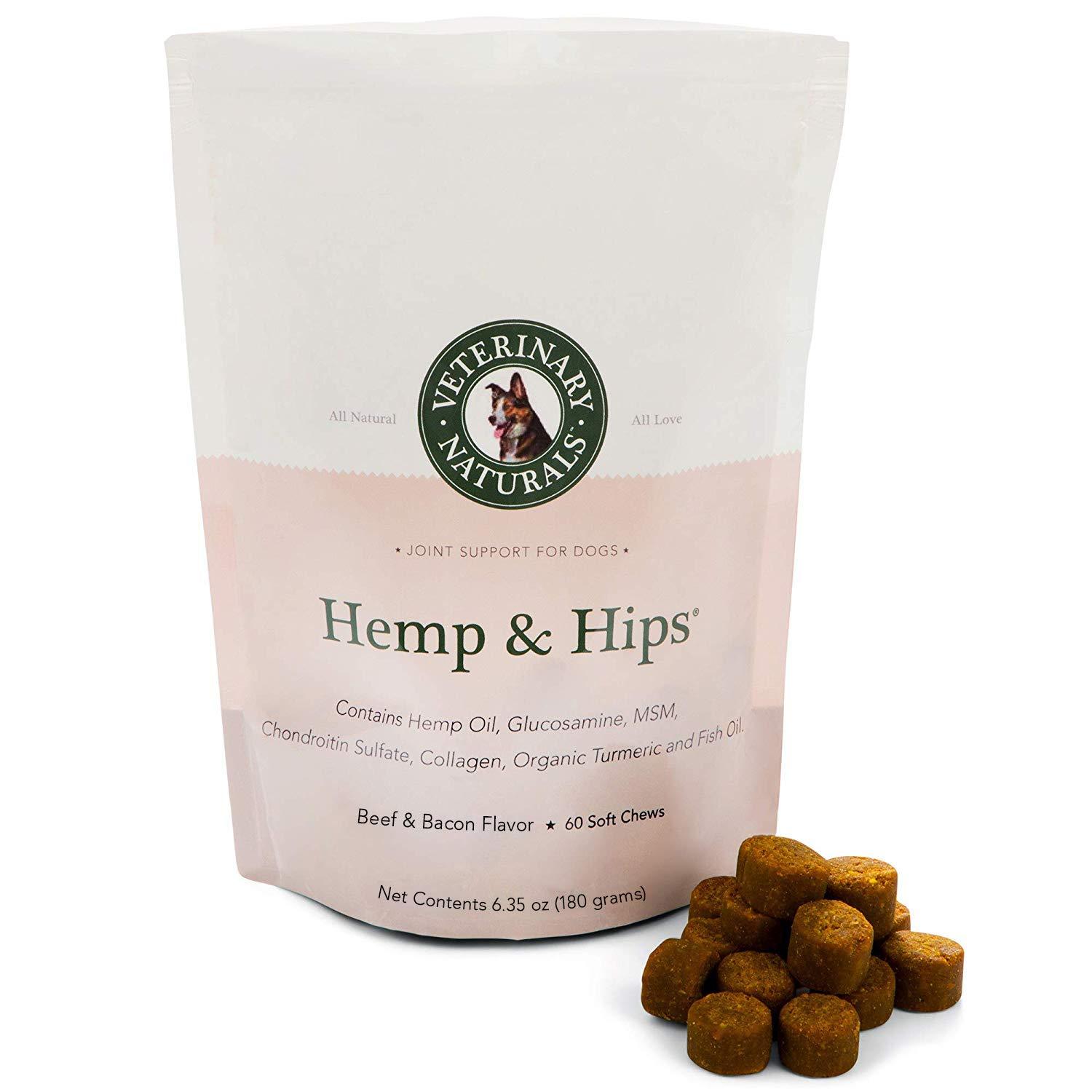
Help Them Move Comfortably Again
Our vet-formulated soft chews are designed to support healthy joints, ease stiffness, and bring the joy back to your dog's walks, jumps, and playtime. Simple, clean, and effective daily support.
"I was so worried about my 10-year-old Lab. He used to love our hikes but started lagging behind and was so stiff afterward. I've tried other supplements, but nothing seemed to help much. A friend recommended Hemp + Hips, and I'm so glad they did. After about a month, I noticed a real difference. He's more eager to go on walks again and doesn't seem as sore. Plus, he thinks they're treats! It feels so good to see him happier."
- Sarah M., Verified Buyer
Watching your best friend struggle with stiff, uncomfortable joints is a heavy burden for any pet parent. But you don't have to navigate this journey alone or feel lost in a sea of confusing advice. Understanding how much glucosamine your dog needs is the first, most powerful step toward making a positive change. By focusing on a weight-based dosage, starting with a loading phase, and choosing a high-quality, comprehensive supplement, you can provide meaningful support that truly makes a difference.
It’s about more than just easing discomfort; it’s about restoring quality of life. It’s for the longer, happier walks, the playful pounces in the yard, and the ability to comfortably curl up at your feet. These are the moments that matter. Taking proactive steps to support your dog’s joint health is one of the most loving things you can do for them.
You have the knowledge now to make a confident choice. You can move past the uncertainty and start a simple daily routine that helps your dog feel their best. Give them the support they need to live a joyful, active, and comfortable life by your side.
Check out our other blog for more information. Hip Dysplasia in Dogs: Symptoms, Treatment, and Prevention